Last updated November 21, 2026
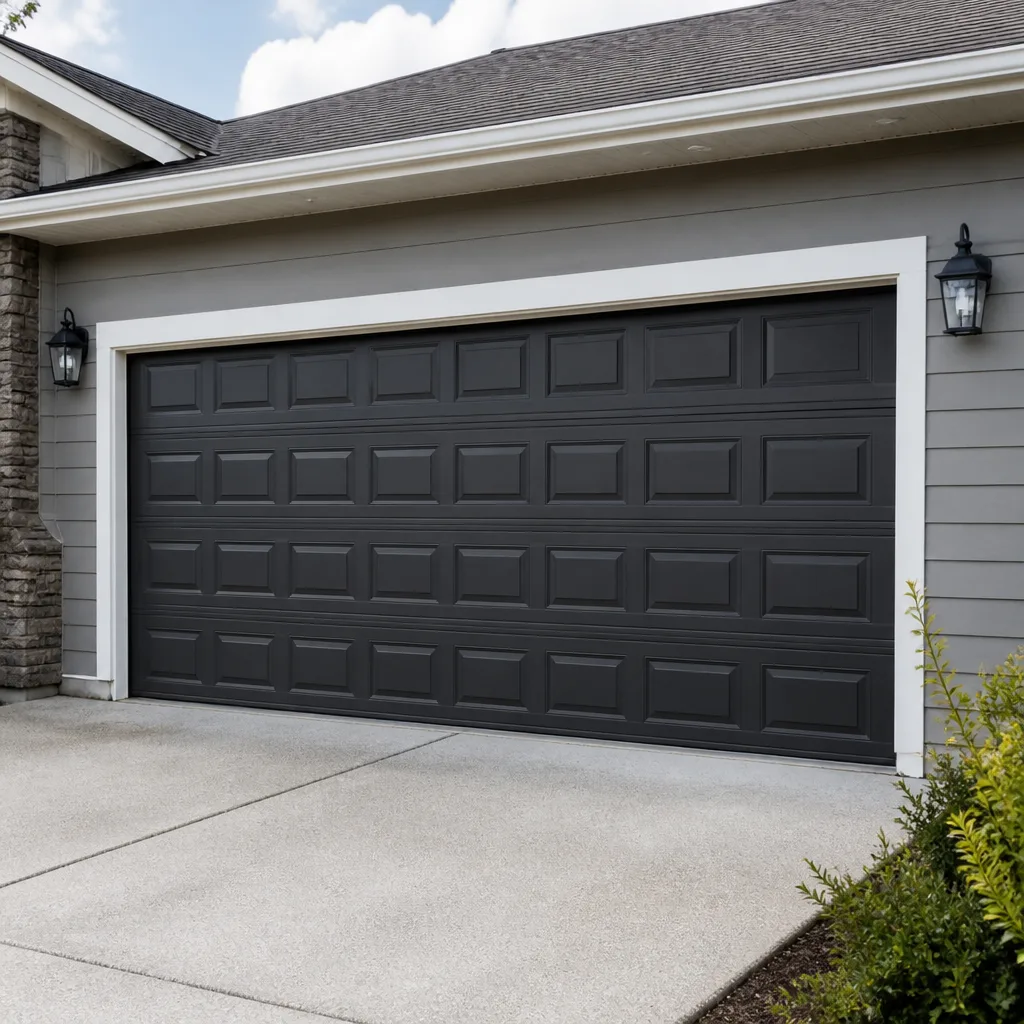 Raised-panel steel
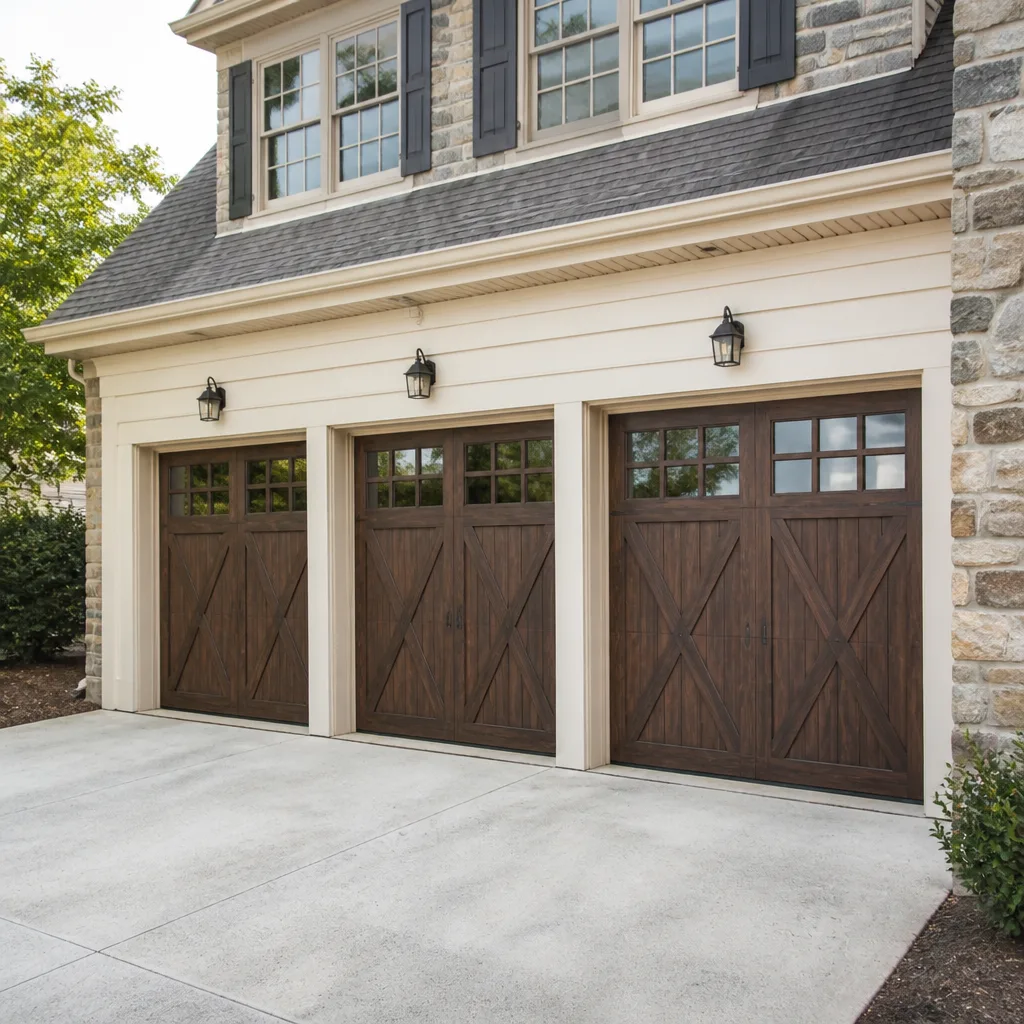 Carriage house
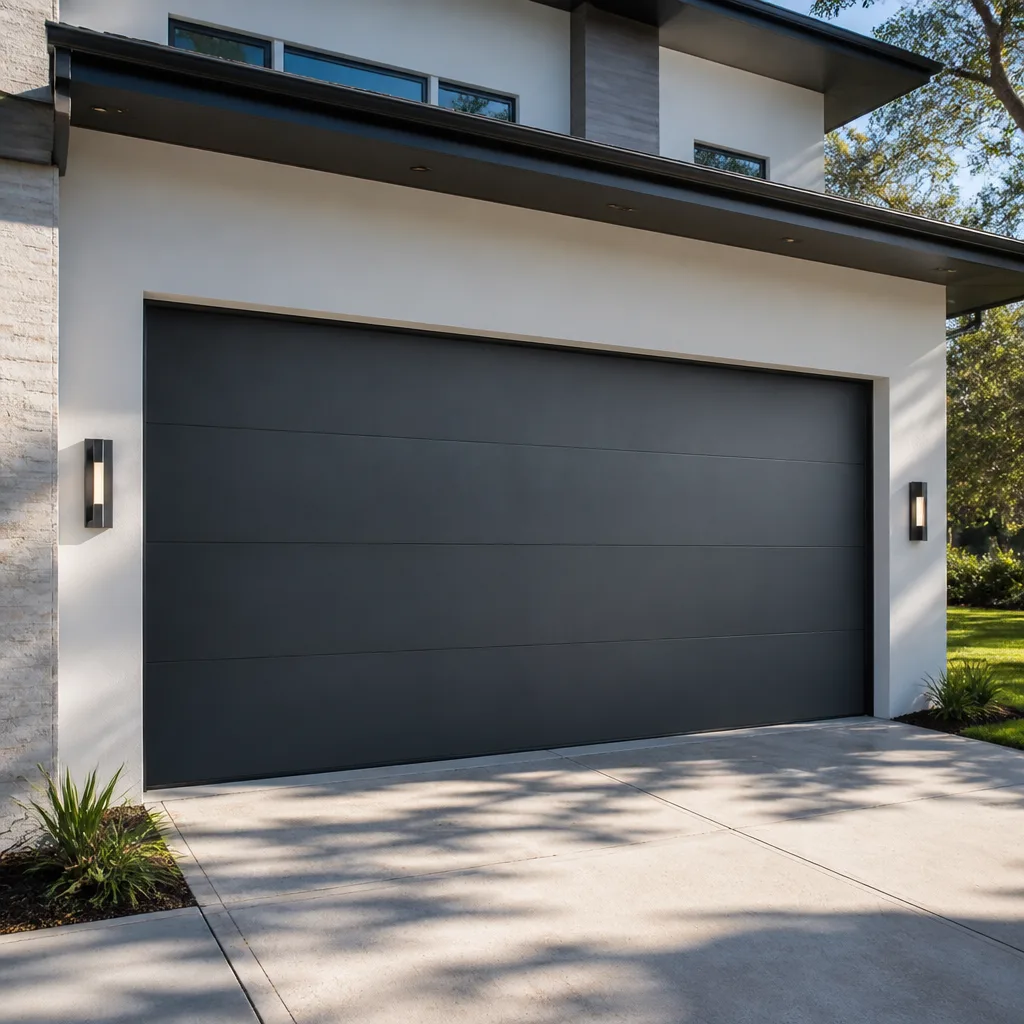 Modern flush
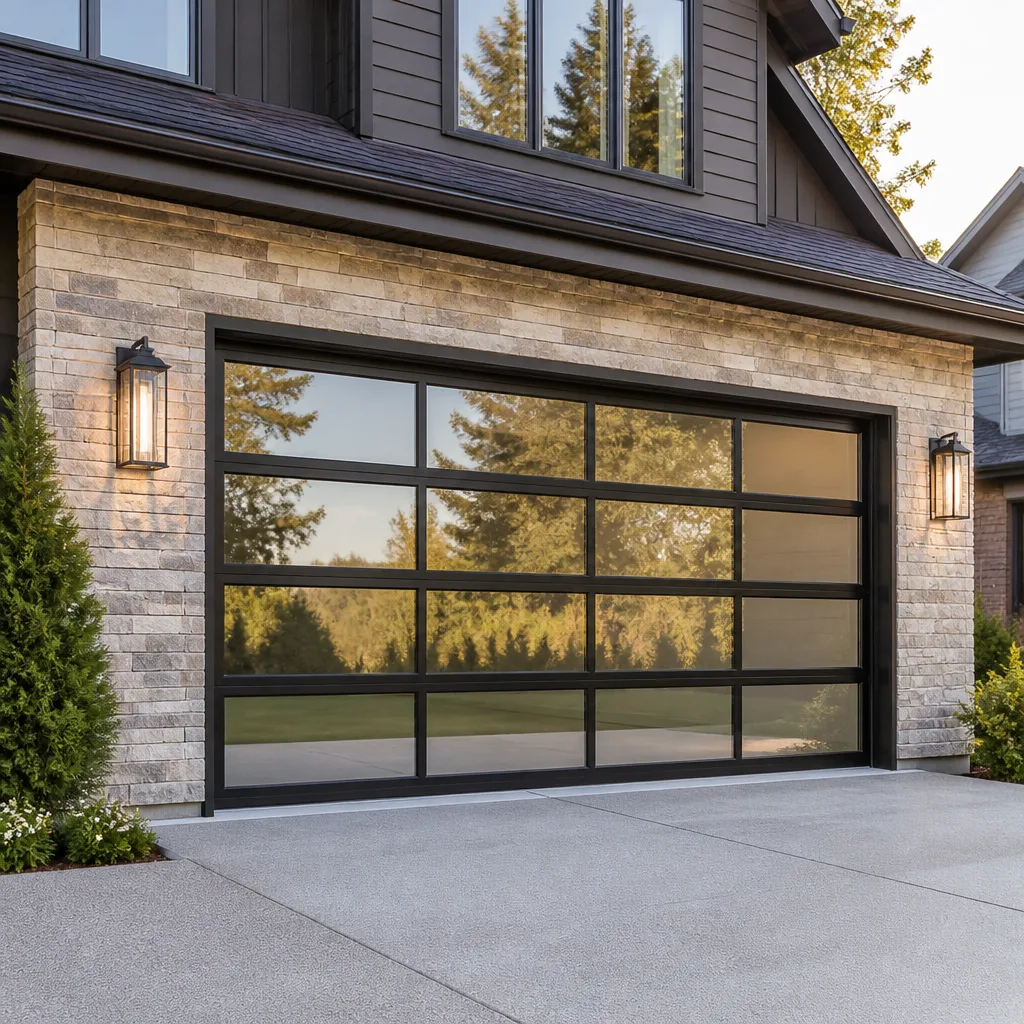 Full-view glass
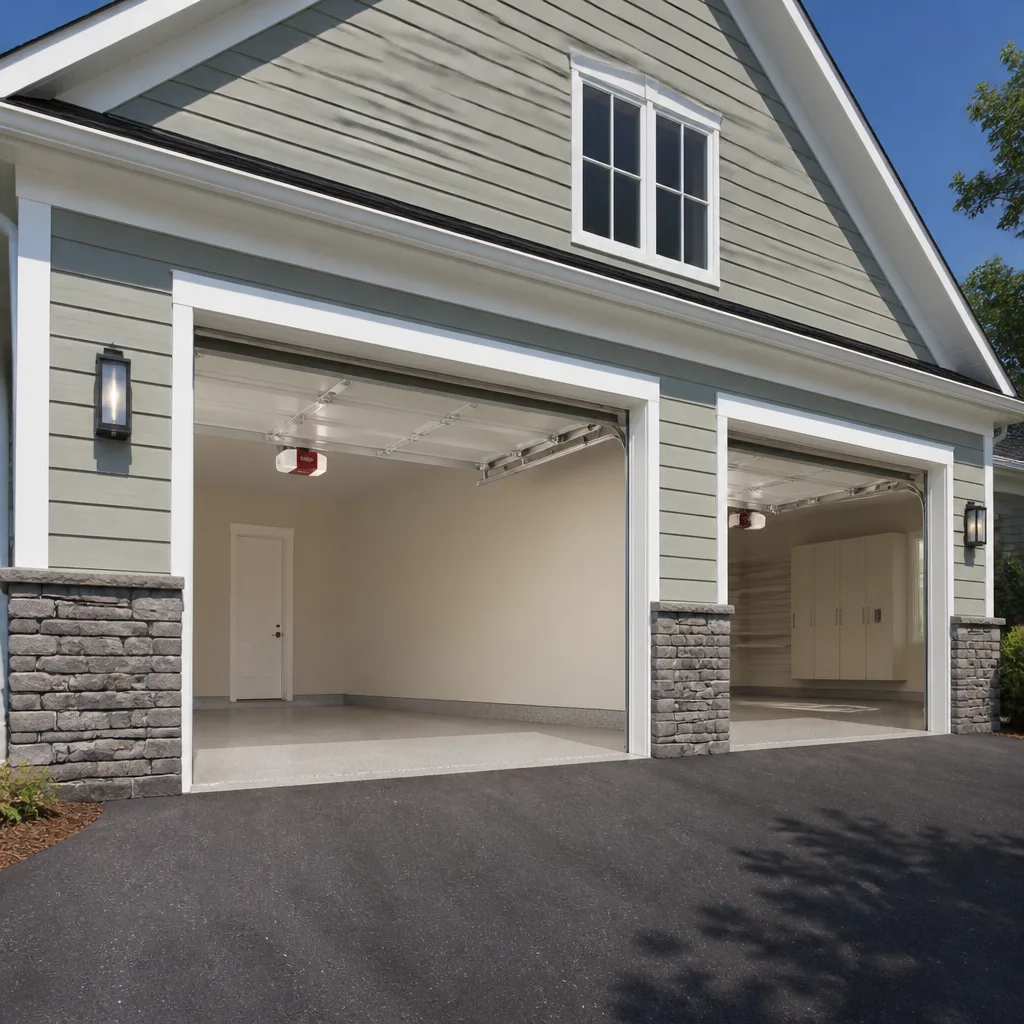 LiftMaster openers
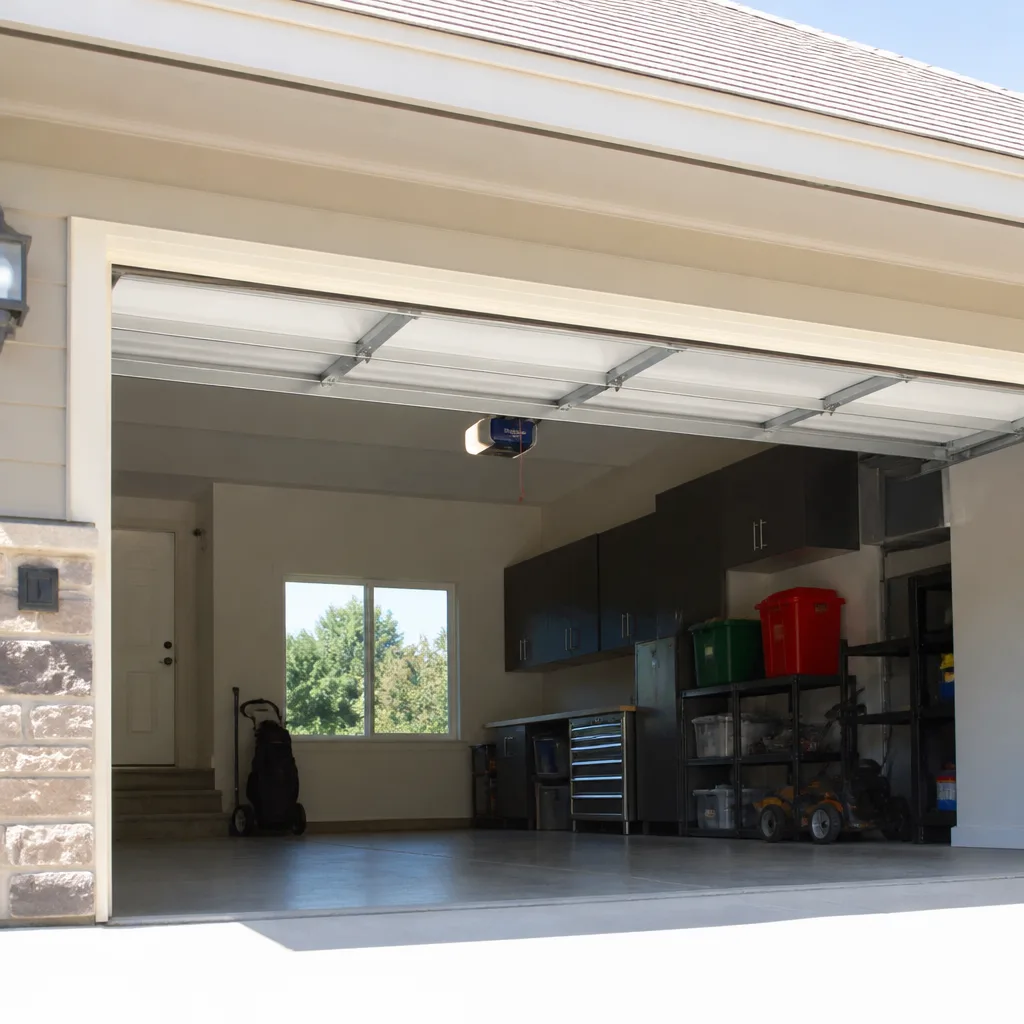 Chamberlain openers
Full 25-point door and opener safety check with every visit - springs, cables, rollers, tracks, and your LiftMaster or Chamberlain opener included
You get a price before we start. It does not change when the pro arrives.
Get your free estimateSeasonal Garage Door Care for Clintonville: Year-Round Homeowner’s Guide
The garage doors that fail hardest in central Ohio tend to fail in February, and ice is usually not the reason. What actually happens is quieter and more mechanical: a torsion spring that has been losing tension for months finally meets a stretch of single-digit cold, the steel contracts, and the wire snaps under stress it would have survived in milder weather. Most Clintonville homeowners never think about their door until that morning, which is exactly why a seasonal routine matters more than a single repair call. This guide walks through what each season asks of your door and opener, from January cold snaps to July humidity, and shows you the small checks that catch a failing spring, a misaligned track or a struggling opener before it strands your car.
Quick Answer
The best seasonal garage door care in Clintonville follows the local climate rather than a generic calendar: check spring tension and balance before the first hard freeze, inspect tracks, seals and cables after winter’s thermal cycling, watch wood and composite panels for humidity swelling in summer, and lubricate and rebalance in fall before temperatures drop. Most of these tasks take fifteen minutes and cost nothing. The two things you should never handle yourself are torsion spring adjustment and any work inside the opener’s electrical housing, both of which call for a trained technician.
Styles & brands we work with
- Raised-panel steel
- Carriage house
- Modern flush
- Full-view glass
- LiftMaster openers
- Chamberlain openers
Table of Contents
- Why Seasonal Care Matters More in Clintonville Than You’d Think
- Winter: Cold-Contracted Metal and Spring Break Risk
- Spring: The Post-Freeze Inspection That Saves Money
- Summer: Humidity, Wood Panels and Swelling
- Fall: The One Lubrication Task That Matters Most
- Seasonal Opener Sensitivity: How to Test Force Resistance Safely
- Knowing Your System Before We Knock
- A Simple Year-Round Maintenance Calendar for Clintonville
Why Seasonal Care Matters More in Clintonville Than You’d Think
Clintonville sits in a part of central Ohio where the thermometer does real work over the course of a year. Summers bring stretches of humid air that hang around for weeks, and winters deliver hard freezes followed by thaws and then more freezes. That swing matters to a garage door because the door is a mechanical assembly made of materials that expand and contract at different rates. Steel springs, aluminum tracks, vinyl seals and wood-composite panels all respond to temperature and moisture differently, and every seasonal shift loads and unloads stress on the moving parts.
A garage door that lives in a mild climate might go years with nothing more than an occasional wipe-down. A door in Clintonville goes through dozens of thermal cycles in a single winter. Torsion springs lose a little tension each time, cables stretch and relax, and track bolts work themselves loose by fractions of an inch. None of that is dramatic on its own. Put together over a season, though, and you get the classic February failure: a door that worked fine in November and won’t budge in the cold.
What separates a well-maintained door from a neglected one is rarely the repair bill, it’s the timing of the breakdown. A door that fails at 7 a.m. on a workday is a headache. A door that fails when you’re trying to leave for an appointment is worse. The checks in this guide are designed to catch those failures a season ahead, while the fix is still small.
The other thing worth knowing about Clintonville is that the housing stock runs from older bungalows to newer builds, and that means older doors are still in service alongside modern systems. A Wayne Dalton door from twenty years ago and a brand-new LiftMaster opener need different seasonal attention. When you know what you’re working with, you can focus on the checks that matter for your specific setup. If you’re ever unsure what system you have, Garage Door Repair Clintonville can help you identify it.
Winter: Cold-Contracted Metal and Spring Break Risk
Winter is the hardest season on a garage door in Clintonville, and the biggest risk is the torsion spring. A torsion spring is a coil of steel wire under constant tension. When temperatures drop, the steel contracts slightly and becomes more brittle. A spring that was already fatigued from a season of use has less margin for that contraction, and the combination is what pushes it over the edge. This is why so many spring failures happen on the coldest mornings of the year, even when there’s no ice on the door itself.
A pre-winter tension check is the single most useful thing you can do before the cold sets in. Here’s what it involves:
- Close the door fully and disconnect the opener using the release cord (usually a red handle).
- Lift the door by hand to about waist height and let go. A balanced door should stay roughly where you left it. If it drops or slams, the springs are losing tension.
- Look at the springs themselves. You’re checking for gaps in the coil, visible rust, or a spring that looks noticeably stretched compared to its neighbor.
- Pull the emergency release back in and reconnect the opener only after the door is balanced.
Notice what’s not on that list: adjusting the spring itself. Torsion springs are under extreme tension at all times, and the winding bars required to adjust them are tools that belong in trained hands. We handle spring work in-house because it requires specialized tools and knowledge, and we don’t recommend homeowners touch the spring winding under any circumstances. If the balance test shows a problem, that’s the point to call. Springs are a safety issue, not just a repair call.
Along with the spring check, winter is the time to look at the bottom seal and the weatherstripping on the sides. A seal that’s cracked or compressed lets cold air in and can freeze to the floor, which puts extra strain on the opener every time the door lifts. If your door drags or the opener strains on the coldest mornings, a worn seal is a common cause.
Spring: The Post-Freeze Inspection That Saves Money
Once the hard freezes are behind you, usually by late March or early April in Clintonville, the door deserves a thorough inspection. Winter’s freeze-thaw cycling has a way of working bolts loose and nudging tracks out of alignment without any obvious single event. This is the window where a fifteen-minute check can head off a repair that would otherwise show up in summer.
Focus on three things in spring: track alignment, bottom seal condition, and cable fraying.
- Track alignment. Stand inside the garage and look up at both vertical tracks. They should be parallel and plumb, with a consistent gap between the track and the door rollers. A track that’s been bumped or shifted will make the door rub or jump. Check the bolts that hold the tracks to the wall and the brackets at the top.
- Bottom seal. The rubber or vinyl seal along the bottom of the door takes the most abuse over winter. Look for cracks, tears, or sections that have pulled away. A seal in poor condition lets water in during spring rain and stresses the opener on every cycle.
- Cable fraying. The lift cables run along the sides of the door and are under high tension. Look for strands that have frayed or broken, and for cables that look slack or twisted. Frayed cables are dangerous and should be replaced by a professional before they fail.
Spring is also the best time of year to schedule any non-emergency work, because the door isn’t fighting extreme temperatures. If your inspection turns up a problem with the door itself, or if the door is simply showing its age and you’re considering an upgrade, this is a good season to plan a new installation. A proper garage door installation takes time to measure and order, so starting the conversation in spring usually means the new door is in place before summer heat arrives.
Summer: Humidity, Wood Panels and Swelling
Central Ohio summers bring weeks of humid air, and that moisture does something specific to wood and wood-composite garage door panels: it swells them. Wood absorbs moisture and expands slightly, and a garage door made of wood or a wood composite is a large enough surface that the expansion adds up. Panels that fit cleanly in dry weather can start to bind against each other or rub against the frame when the humidity climbs.
The tricky part is telling humidity swelling apart from a track alignment problem, because the symptoms look similar. Both can make the door rub, stick, or open unevenly. Here’s how to separate them:
- Check whether the problem is seasonal. If the door dragged last July and was fine in October, humidity swelling is the likely cause.
- Look at the gaps between panels. If the gaps have closed up compared to a dry day, the panels are swelling.
- Inspect the tracks for visible misalignment. If the tracks are parallel and the door is still binding, the problem is in the door panels themselves, not the tracks.
If swelling is the issue, the fix is usually a combination of adjusting the track clearance and, in more serious cases, repairing or replacing individual panels. Wood-composite doors from brands like Clopay or Amarr are built to tolerate some seasonal movement, but if the binding is severe enough that the opener has to strain, it’s worth having a professional look at it. Left alone, humidity swelling can crack panels over consecutive summers.
Summer is also when openers get a workout, because the door is cycling more and the garage is hotter. If your garage door opener repair symptoms show up in July, heat and humidity are common contributors. Motors run hotter, and remote batteries wear down faster in the heat.
Fall: The One Lubrication Task That Matters Most
Fall is the season to set the door up for winter, and there’s one task that pays for itself more than any other: lubricating the moving parts with the right product for cold weather. The mistake most homeowners make is grabbing whatever lubricant is in the garage, often a general-purpose oil or, worse, a grease. In cold conditions, the wrong lubricant thickens, gums up, and makes the door harder to operate, which is the opposite of what you want going into winter.
The right product for a garage door in Clintonville is a silicone-based or lithium-based lubricant formulated for cold weather. You want something that stays fluid at low temperatures and doesn’t attract dust. Here’s where it goes:
- The hinges, especially the ones that hold the rollers.
- The rollers themselves, if they’re metal. Nylon rollers usually don’t need lubrication.
- The torsion spring, very lightly. A thin coat helps it slide as it winds.
- The tracks, sparingly. The door rollers need to move freely, but too much lubricant in the tracks attracts dirt. A light spray is enough.
The balance check is the companion task. Run the same hand-lift test you’d run before winter: disconnect the opener, lift the door to waist height, and let go. If the door stays put, it’s balanced. If it drops, the springs need attention. Doing this in the fall, while temperatures are still moderate, gives you time to schedule spring work before the cold hits. If a spring does need replacement, our technicians handle it in-house with the right tools.
Fall is also the season to clean and inspect the opener’s safety sensors, which live at the bottom of the tracks and are easily knocked out of alignment by a bicycle or a bag of mulch. Dirty or misaligned sensors are one of the most common reasons a door won’t close, and fall is when the garage sees the most foot traffic.
Seasonal Opener Sensitivity: How to Test Force Resistance Safely
An opener’s force settings control how much resistance the motor will push through before it reverses. Those settings are set at installation, and they need to shift seasonally because the resistance the door presents changes with temperature. A door that’s easy to lift in July may be noticeably heavier in January, and an opener set for summer resistance will struggle with winter resistance, short-cycling or reversing when there’s no real obstruction.
Most openers from LiftMaster, Chamberlain, Genie, Craftsman and Raynor have a force adjustment on the motor housing, often a screw or a dial. Check your opener’s manual or the label inside the housing to find it on your model. Here’s how to test force resistance without voiding the warranty:
- Disconnect the door from the opener using the emergency release.
- Close the door fully, then reattach the opener.
- Place a small object, like a 2×4 laid flat, under the middle of the door.
- Close the door with the opener. The door should reverse on contact with the object, not press down on it.
- If the door doesn’t reverse, or barely reverses, the force is set too high. If the door reverses on its own with no object present, it’s set too low.
Adjusting the force setting is a matter of turning the screw a quarter-turn at a time and retesting, and it’s a task most homeowners can do safely as long as they follow the manual’s instructions. The one thing to avoid is opening the motor housing to make adjustments beyond the exposed controls, which can void the warranty and exposes electrical components. If your opener is older and the force setting doesn’t seem to help, or if the opener reverses randomly throughout the day, that’s a sign of a failing logic board or safety sensor issue, and it’s worth having a professional diagnose it.
Seasonal force adjustment is also a good moment to test the safety reverse. With the door open, place the 2×4 in the path and close the door. It should reverse when it hits the obstruction. If it doesn’t, stop using the opener until it’s fixed.
Knowing Your System Before We Knock
Garage doors and openers are not interchangeable. A Wayne Dalton door uses different spring and track geometry than a Raynor, and a LiftMaster opener’s force settings and sensor wiring differ from a Craftsman’s. When you know the brand and model of your system, you can look up the right maintenance specs and give a technician the information they need before anyone arrives. This is why we ask homeowners to check the label inside the door panel and on the opener housing before calling.
We work across all the major brands, which means your existing system is almost certainly within scope. A short list of what we see in Clintonville: door systems by Clopay, Amarr, Wayne Dalton and Raynor, and opener systems by LiftMaster, Chamberlain and Genie. If your door or opener is Craftsman, we cover it too. Knowing the brand matters for seasonal care because springs, panels and opener parts are specific to each manufacturer. A spring from one brand doesn’t fit a door from another without the right specs. Having parts available for the major brands means a repair can move from diagnosis to resolution in the same visit rather than waiting on an order.
It’s worth checking your system’s label before the seasons change, not after something breaks. Look inside the door for a manufacturer’s sticker, and on the opener for a model plate. Write down the brand and model number. That information will help you with any of the routine checks in this guide, and it makes a service call faster if you ever need one.
A Simple Year-Round Maintenance Calendar for Clintonville
If you want a single routine to follow, use this one. It’s built around Clintonville’s climate, not a generic maintenance schedule, and each task takes no more than a few minutes.
- Late fall (before first freeze). Run the balance test. Lubricate hinges, rollers, spring and tracks with cold-weather lubricant. Check the bottom seal and weatherstripping. Test the safety reverse.
- January and February. Watch for a door that’s slow to lift or that reverses on its own. Both can signal a fatigued spring. Don’t adjust the spring yourself; call a professional if the balance test fails.
- Early spring (after last freeze). Inspect track alignment, bottom seal condition and cable fraying. Tighten loose track bolts. This is the best window to schedule non-emergency work.
- Summer. Watch for humidity swelling in wood and composite panels. Separate seasonal binding from track misalignment using the test above. Test the safety sensors and clean them.
- Fall. Clean and inspect the sensors. Check the opener’s force settings and adjust if the door is short-cycling or reversing. Lubricate and rebalance.
If you have an older door or opener, you may want to add a spring tension check in mid-winter as well. The mid-winter check is the one that catches the failure before it happens on a cold morning. The cost of a technician’s visit is far less than the cost of a door that won’t open when you need it.
Common Mistakes to Avoid
- Adjusting the torsion spring yourself. Torsion springs are under extreme tension. Without winding bars and training, the spring can release suddenly and cause serious injury. Leave spring adjustment to a professional.
- Using the wrong lubricant in winter. General-purpose oil and grease thicken in cold weather, making the door harder to operate. Use a silicone or lithium lubricant rated for cold temperatures.
- Skipping the post-winter inspection. Freeze-thaw cycles loosen track bolts and stretch cables without any obvious event. The spring inspection catches those problems before they turn into a summer breakdown.
- Ignoring humidity swelling in summer. Wood and composite panels that bind in July may crack by the third summer if the track clearance isn’t adjusted. If the door drags in humid weather, have it checked.
- Setting the opener force once and forgetting it. Force settings need to shift seasonally, especially in climates with real temperature swings. Test the safety reverse every time you adjust.
- Letting a worn bottom seal go. A cracked seal lets water in and freezes to the floor. In Clintonville’s winters, that’s extra strain on the opener every time the door lifts.
- Ignoring opener warning signs. Short-cycling, random reversing, or a door that reverses on its own all signal a problem that will get worse. Have it diagnosed before it fails completely.
See the difference
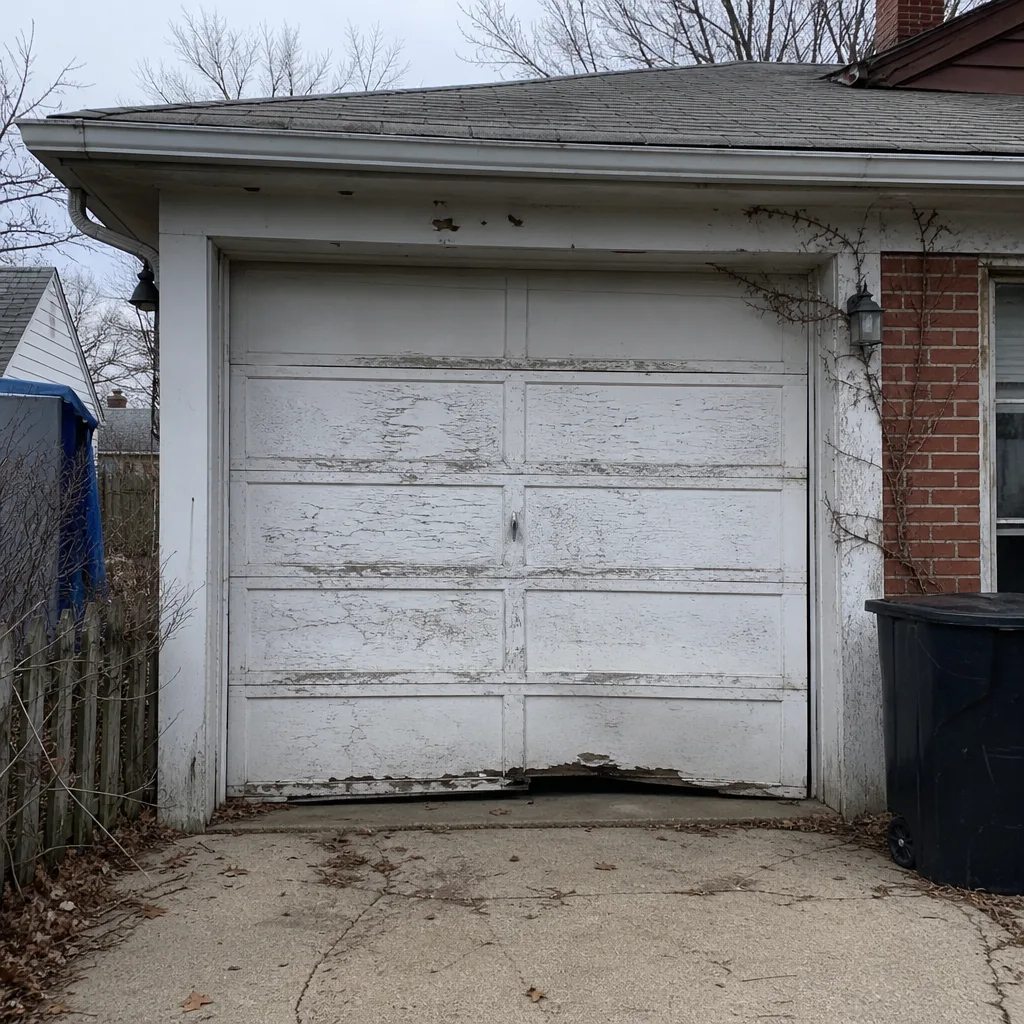 Before
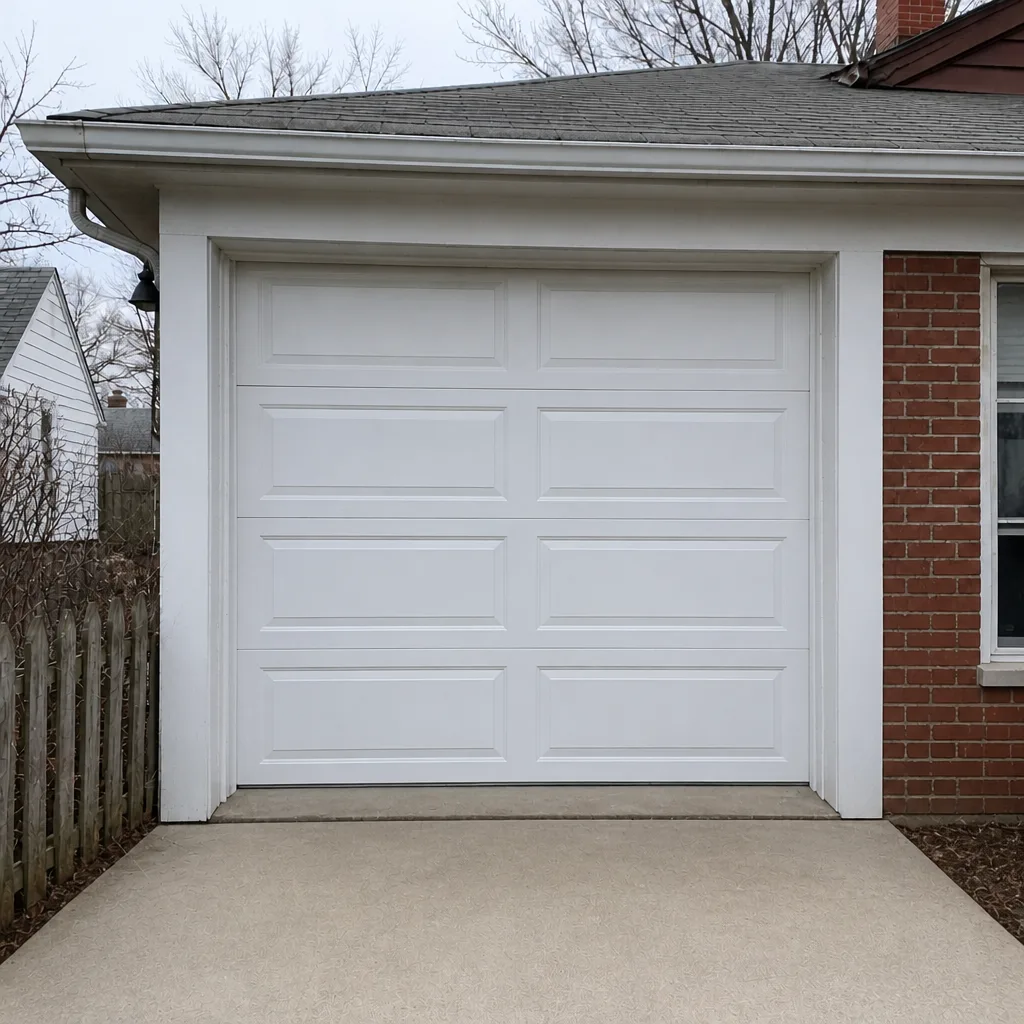 After
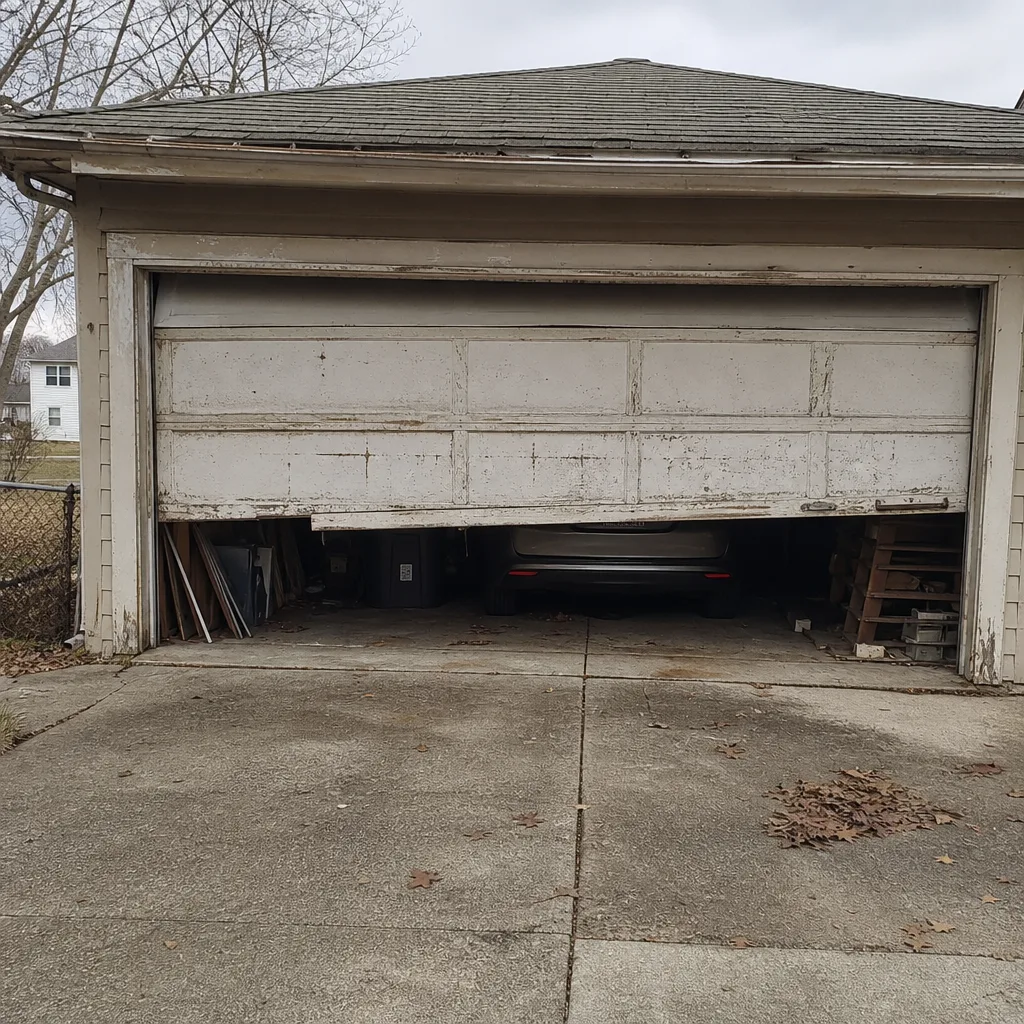 Before
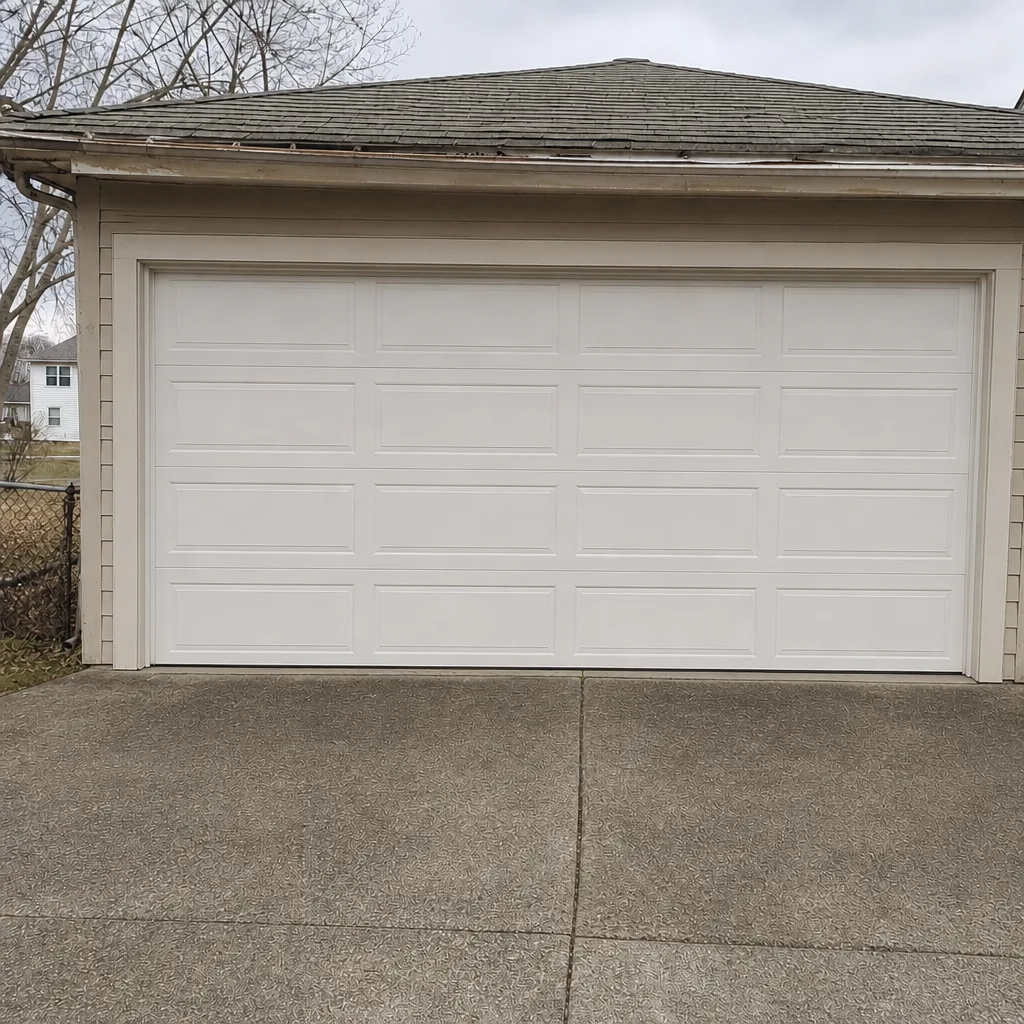 After
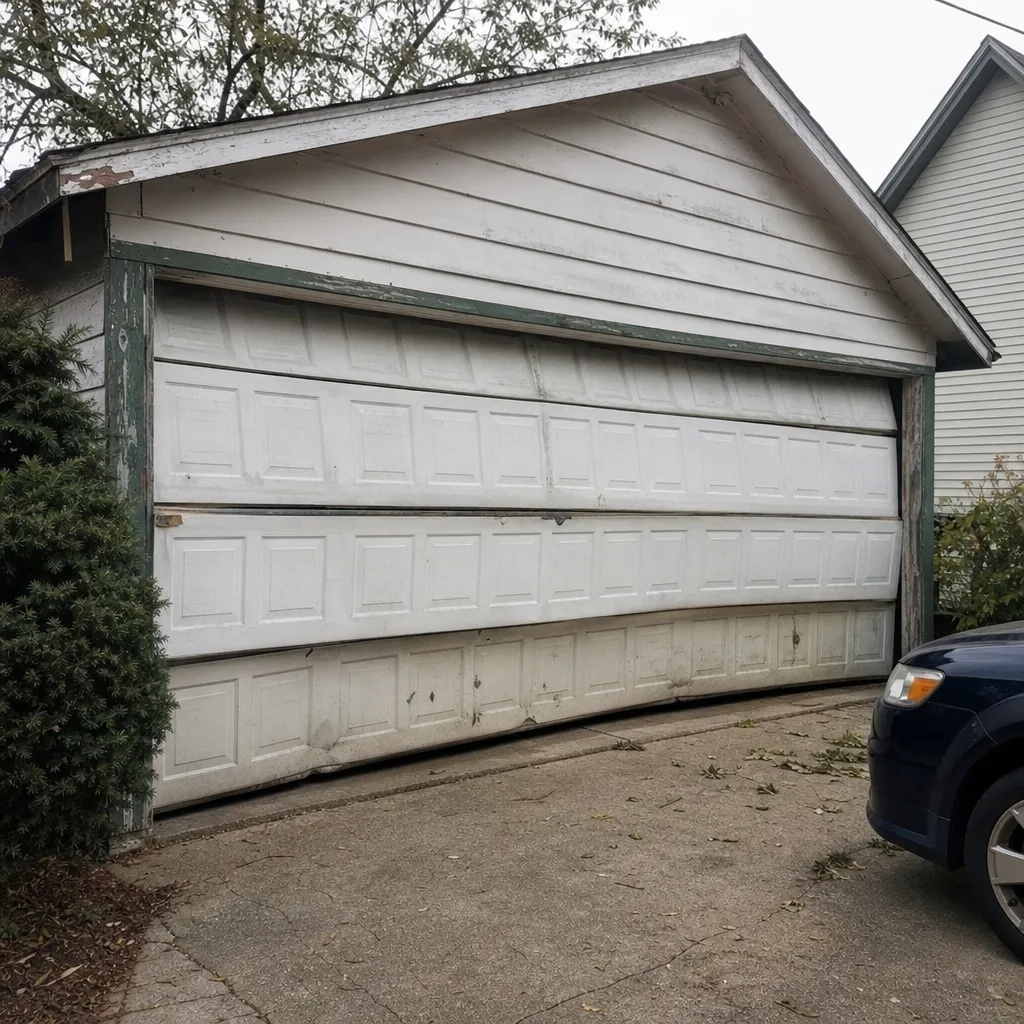 Before
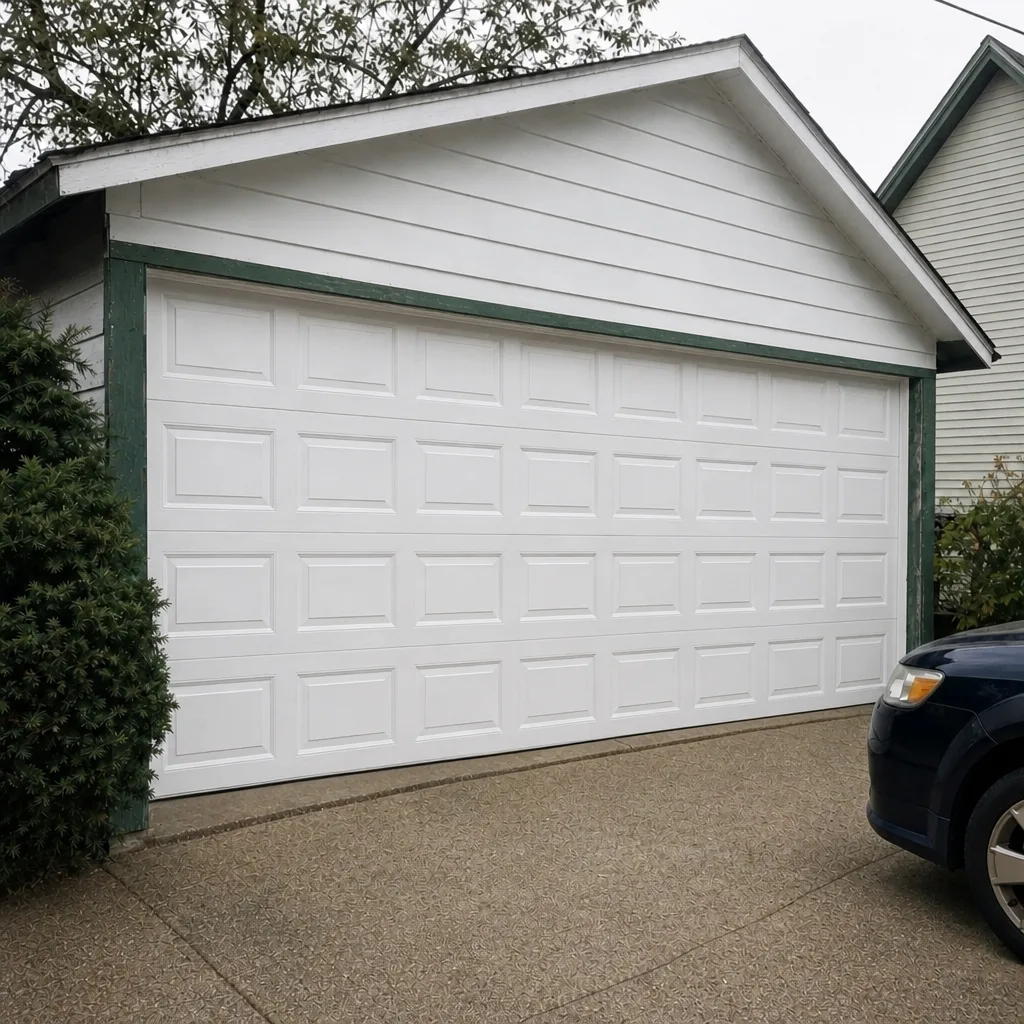 After
When to Call a Professional
Some seasonal work belongs in your hands: lubrication, the balance test, sensor cleaning, and opener force adjustments according to the manual. Other work belongs with a trained technician. Call a professional if you see or hear any of the following: a torsion spring that’s snapped or visibly stretched, a door that won’t stay up when lifted by hand, cables that are frayed or slack, tracks that are bent or out of alignment, or an opener that reverses on its own or short-cycles. Spring and cable work is a safety issue, and our technicians have up to 11 years of experience handling it in-house. Garage Door Repair Clintonville offers free estimates in Clintonville, and we’re available to help from 7am to 7pm. Call (844) 660-4497 to schedule a free estimate, and we’ll confirm the price before any work starts.
Frequently Asked Questions
A thorough seasonal check twice a year, in spring and fall, covers most of what a Clintonville door needs. Do the balance test and lubrication in fall before the first freeze, and the post-freeze inspection of tracks, seals and cables in early spring. If your door is older or has a history of spring issues, add a mid-winter spring check. Call (844) 660-4497 if you’d like a professional to take a look; estimates are free.
Cold temperatures cause the steel in torsion springs to contract and become more brittle, and a spring that has already lost some tension from a season of use has less margin for that contraction. The result is that the coldest mornings of the year are when fatigued springs fail. Having the tension checked in the fall gives you a chance to replace a weakened spring before the cold hits. Call (844) 660-4497 for a spring inspection.
No. Torsion springs are under extreme tension at all times, and adjusting them requires winding bars and training. A sudden release can cause serious injury. Our technicians handle spring work in-house with the right tools. If your balance test shows a problem, call (844) 660-4497 and we’ll schedule a visit; the price is quoted and agreed before work starts.
A silicone-based or lithium-based lubricant rated for cold weather is the right choice for Clintonville’s winters. General-purpose oil and grease thicken in the cold and make the door harder to operate. Apply it to the hinges, metal rollers, spring and tracks in the fall. Call (844) 660-4497 if you’re not sure which product to use; estimates are free.
If the door sticks in humid weather but works fine in dry weather, humidity swelling in the panels is the likely cause. If it sticks year-round, the tracks are probably out of alignment. You can separate the two by checking whether the panel gaps close up on a humid day and whether the tracks look parallel. Call (844) 660-4497 for a free estimate on a repair if the door is binding badly enough to strain the opener.
Place a 2×4 flat on the ground under the middle of the door, close the door with the opener, and watch for the door to reverse on contact. If it presses down on the object or barely reverses, the force is set too high. If it reverses with no object present, the force is too low. Adjust in quarter-turns following the manual, and test the safety reverse after each change. Call (844) 660-4497 if the opener still short-cycles or reverses on its own.
The Bottom Line
Seasonal garage door care in Clintonville comes down to matching the routine to the local climate. Fall is for lubrication and the balance test, before the cold contracts the springs. Spring is for inspecting what winter loosened, especially tracks, seals and cables. Summer is for watching humidity swelling in wood panels, and winter is for paying attention to the door’s behavior on the coldest mornings. The checks are short and most of them cost nothing. The two things to leave to a professional are spring adjustment and anything inside the opener’s motor housing. Do the seasonal work and the expensive February failures become a lot less likely.
Garage door repair starts with knowing your system, and we work on the major brands so you don’t have to wonder whether yours is covered. If you’d like a professional to walk through your seasonal checks, or if something’s already acting up, call (844) 660-4497 for a free estimate. We’ll confirm the price before any work begins.
Written by the team at Garage Door Repair Clintonville.