Last updated November 21, 2026
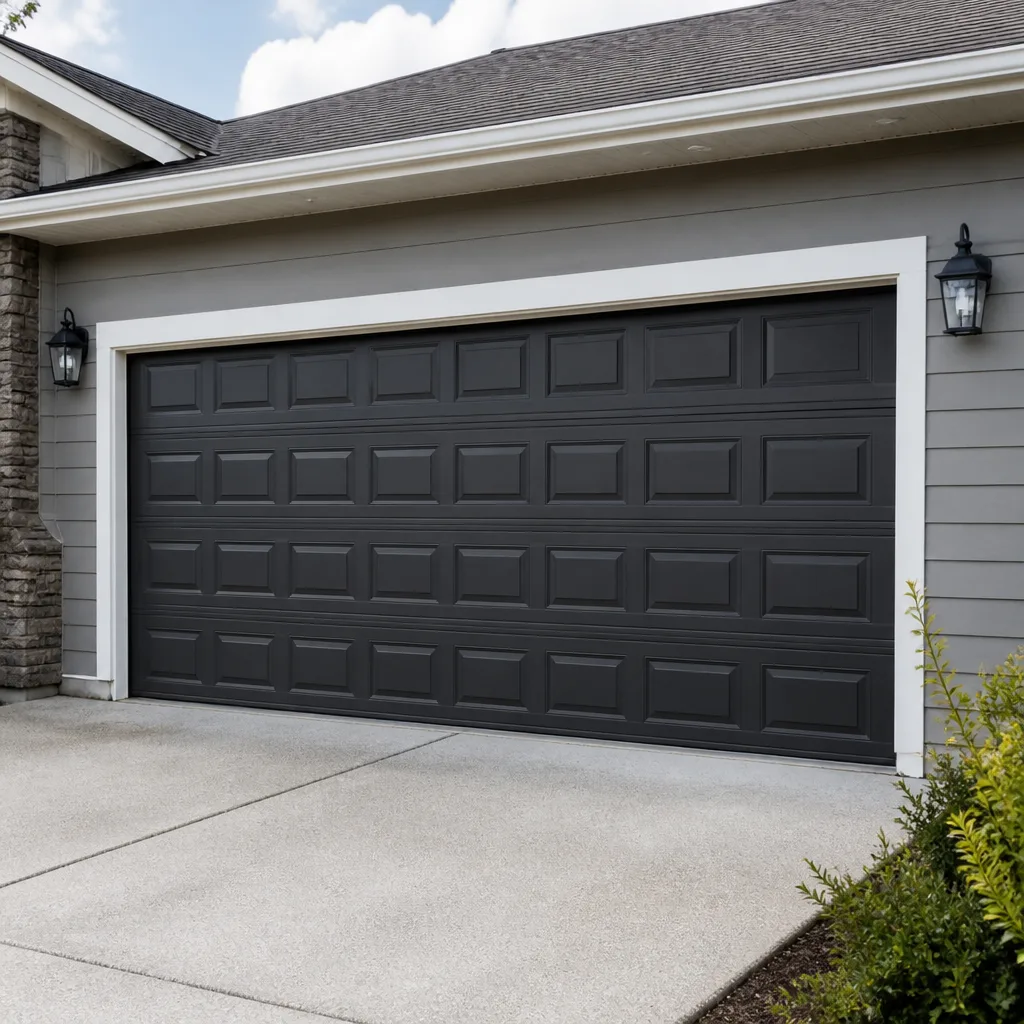 Raised-panel steel
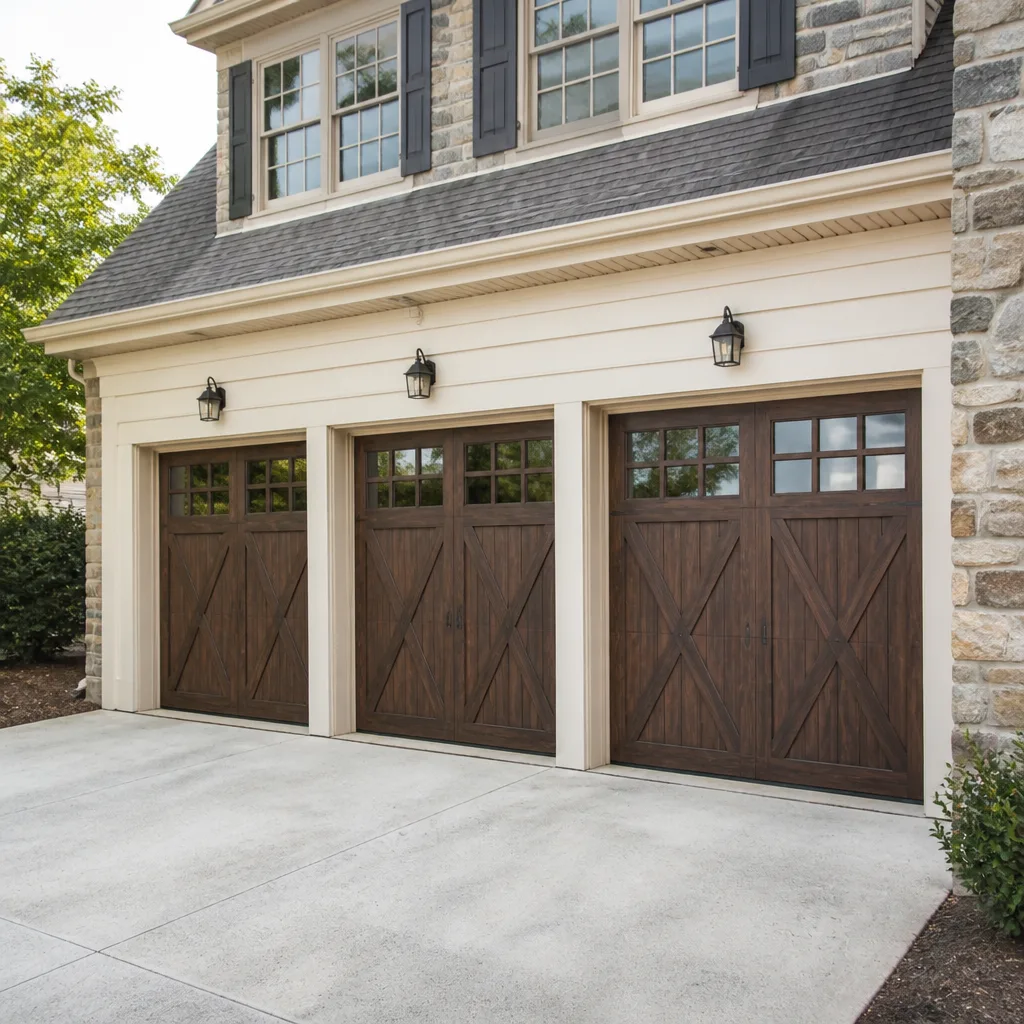 Carriage house
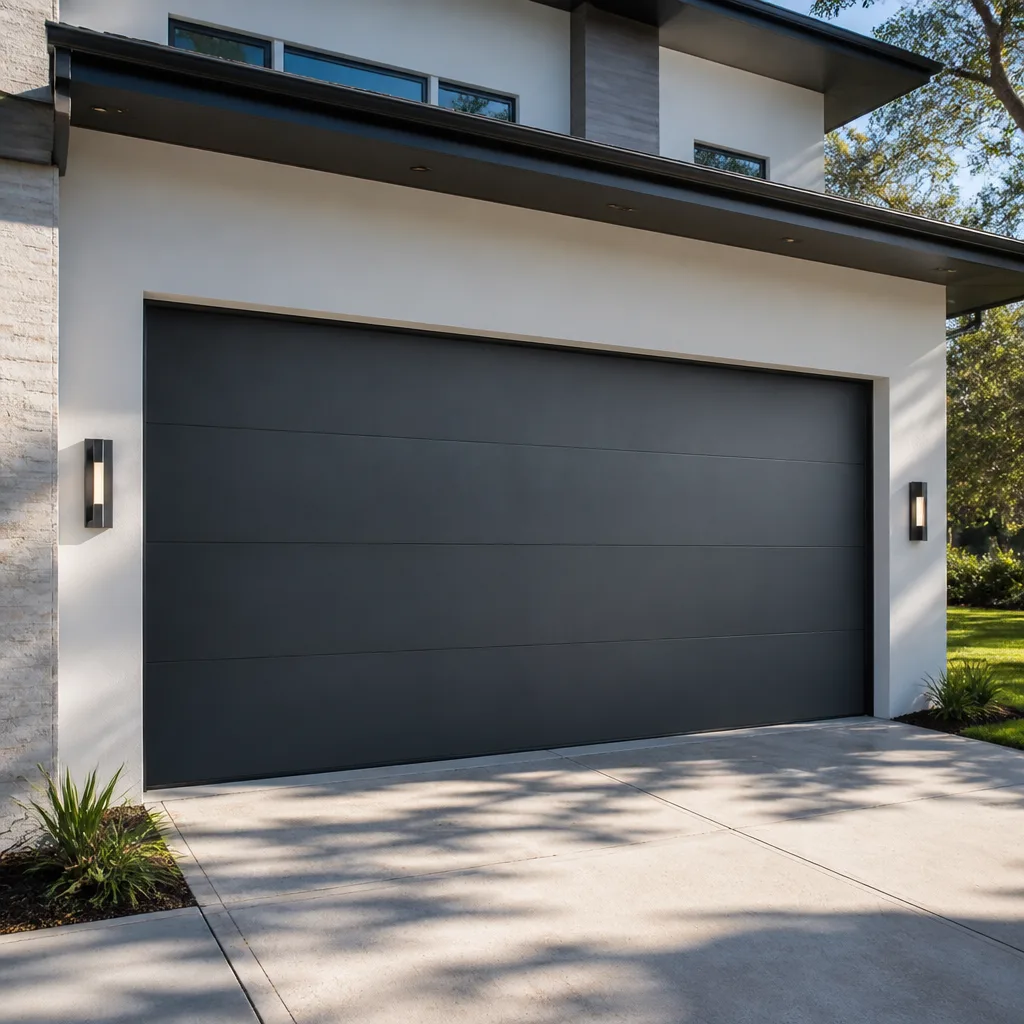 Modern flush
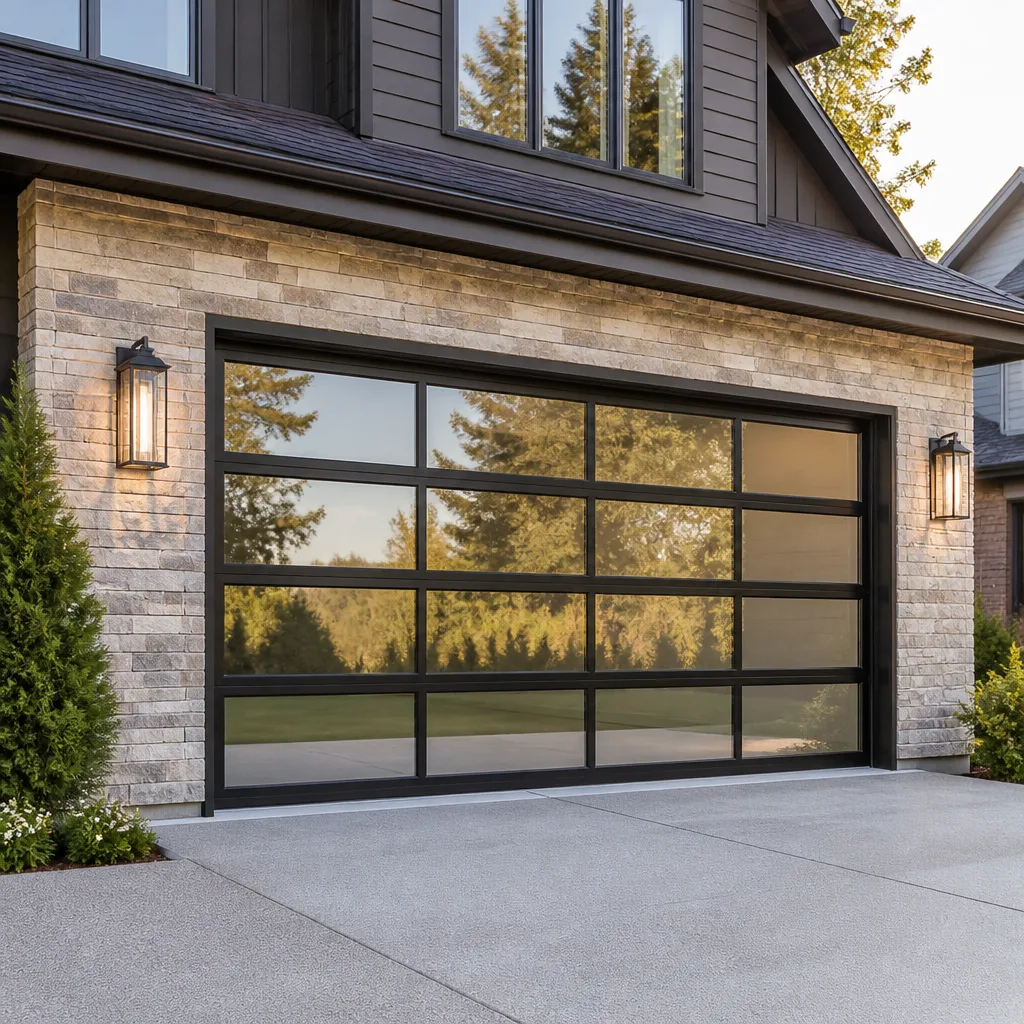 Full-view glass
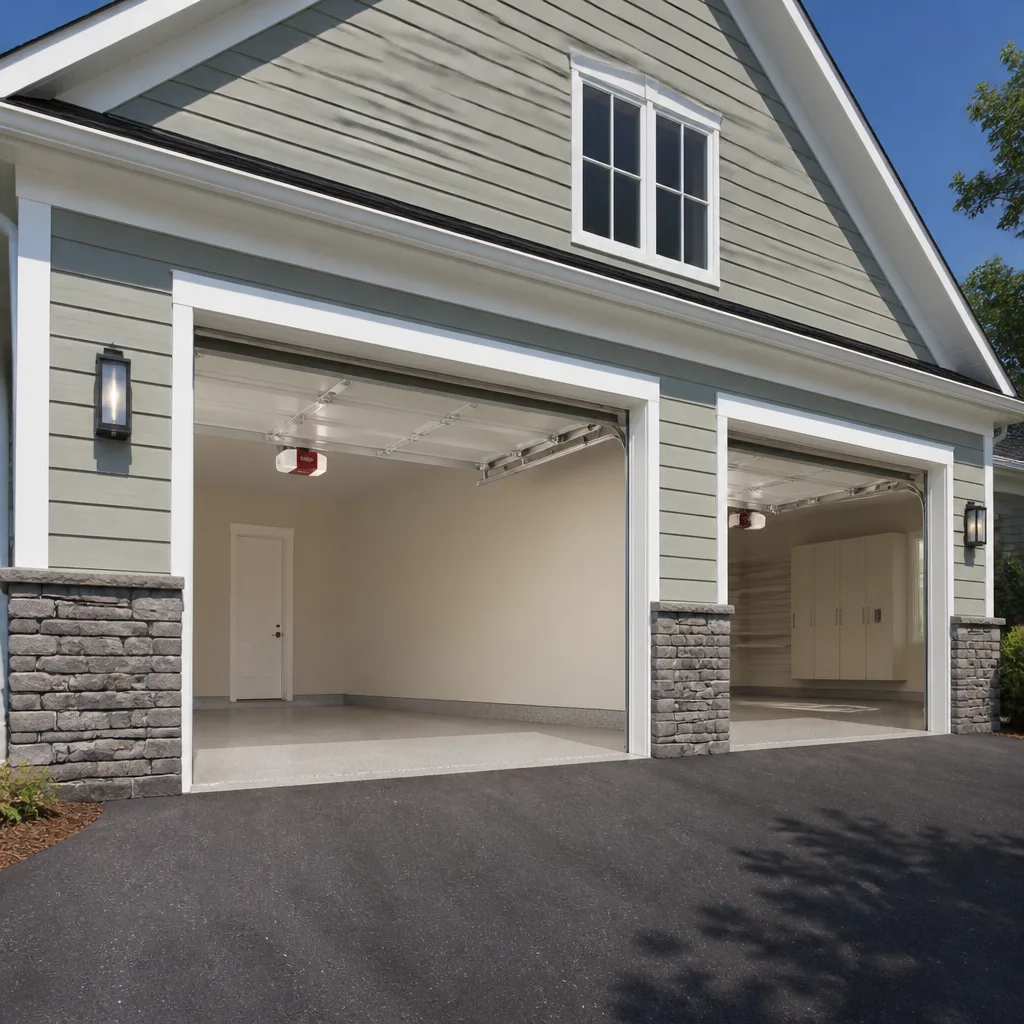 LiftMaster openers
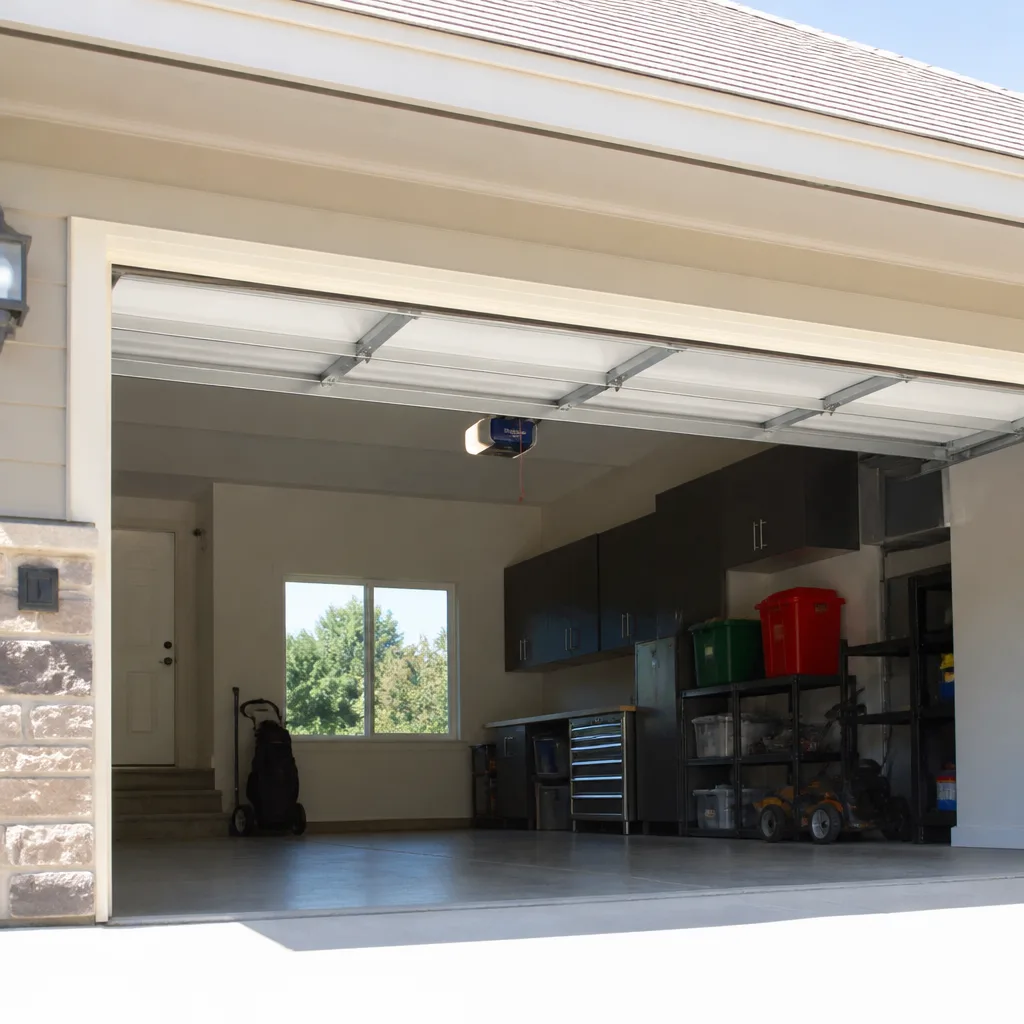 Chamberlain openers
Full 25-point door and opener safety check with every visit - springs, cables, rollers, tracks, and your LiftMaster or Chamberlain opener included
You get a price before we start. It does not change when the pro arrives.
Get your free estimateGarage Door Cost Breakdown: The Clintonville Homeowner’s Reference for 2026
When one quote comes back at $1,400 and another at $900 for what sounds like the same job, the gap usually has nothing to do with profit margin. It comes down to spring type, panel gauge, and whether the lower bidder is quietly skipping a component that will fail 18 months from now. Most cost guides quote national averages that mean nothing to a homeowner in Clintonville, because they ignore the actual variables that shape your specific quote: the size of your door, the material it’s built from, the springs it runs on, the grade of opener behind it, and how much labor complexity your garage layout adds. This guide builds the number from the components up, so when a quote lands on your table you’ll know what’s driving it and what to question. We work on garage doors all day in Clintonville, and this is the reference we’d hand a neighbor.
Quick Answer
Garage door work in Clintonville generally falls into four cost bands in 2026: a single spring replacement typically runs $180 – $340 (a matched pair about twice that), a new opener installed runs $350 – $750 depending on grade, panel replacement runs $250 – $600 per section, and a complete new door installed runs $900 – $2,800 depending on material and insulation. Every price on this page is a typical estimate, and the written quote you receive sets the final price. The biggest swings come from spring type, steel gauge, and whether the job uncovers hidden work like a rusted track or missing header support.
Styles & brands we work with
- Raised-panel steel
- Carriage house
- Modern flush
- Full-view glass
- LiftMaster openers
- Chamberlain openers
Table of Contents
- What each garage door repair actually costs
- Spring replacement: torsion vs. extension, single vs. pair
- How door material and gauge move the price
- Opener grades and what you pay for each
- Hidden cost drivers most quotes obscure
- What a “too low” quote usually means
- How to compare itemized quotes apples-to-apples
- Common mistakes to avoid
- When to call a professional
What each garage door repair actually costs in Clintonville
Garage door repair in Clintonville is priced per component, not per visit. A technician doesn’t charge one flat rate for “fixing the door” – the quote reflects the specific part, the labor to reach and install it, and any related hardware that has to move with it. That’s why two doors that look identical from the street can produce very different numbers.
Here’s how the main components typically break down for a 2026 Columbus-area job. These are estimated ranges for planning; the written estimate is what counts.
- Torsion spring replacement (single): $180 – $340
- Torsion spring replacement (matched pair): roughly double the single, $360 – $680
- Extension spring replacement (single): $150 – $300
- Cable replacement (per side): $120 – $250
- Roller replacement (set): $90 – $180
- Panel replacement (per section, steel): $250 – $600
- Opener replacement, installed: $350 – $750
- Complete new door, installed: $900 – $2,800
- Track straightening or replacement: $150 – $400
Where homeowners get surprised is when a repair pulls in a second component. Replacing a broken spring on a door with worn cables is often the moment the cables get replaced too, because a snapped spring puts enormous strain on them. A good technician flags that before starting, not after. We cover the repair side in depth on our garage door repair page, but the cost logic here is what you need for comparing bids.
Spring replacement: torsion vs. extension, single vs. pair
Springs are where nearly every garage door cost question starts, and they’re the one part of the system that genuinely demands a trained professional. Torsion springs are mounted on a shaft above the door and store enormous tension; extension springs run along the horizontal tracks. Both can release violently if handled wrong, and adjusting or winding them is not a homeowner task. This is a safety issue, not just a repair call.
In Clintonville, most modern doors run torsion springs. Older doors – common in the neighborhood’s mid-century housing – sometimes still use extension springs. The type matters for pricing because torsion work takes more setup and precision.
- Single spring vs. pair: A door rated for a matched pair should have both replaced together. Replacing one spring against a fatigued partner just moves the failure date forward, so a pair costs about twice a single. The range on this page for a single spring is one spring, not both.
- Cycle life matters more than price: Springs are rated in cycles, and a cheaper spring with a lower cycle rating can cost less up front and more over time. Ask what cycle rating the quoted spring carries.
- Labor is bundled, not hidden: On a spring job, the labor is usually folded into the quoted price rather than listed separately. If a bid shows a spring part number with a labor line added on top, ask why.
If you’re comparing a $180 spring quote against a $340 one, the difference is almost always the spring’s cycle rating and whether the technician is replacing the pair or just one side. Our technicians have up to 11 years of experience with spring work, and it’s a specialty we handle in-house rather than farming out – because a generalist who avoids spring jobs will often quote low and then subcontract the dangerous part.
How door material and gauge move the price
The single biggest lever on a new door price is what the door is made of, and within steel doors, the gauge of the steel. A 25-gauge steel door and a 24-gauge door can look identical in a showroom photo, but the 24-gauge is thicker, holds its shape better, and resists the kind of denting that comes from a stray basketball or a bumped lawn mower. That thinner steel is a common reason a low bid looks attractive.
Insulation is the other variable. A non-insulated single-layer steel door is the budget end of the range. A double-layer door adds a steel back with a layer of insulation between the skins, and a triple-layer door sandwiches insulation between two steel faces for the best rigidity. In Clintonville’s climate, where garages swing from summer humidity to hard winter cold, an insulated door also helps a garage used as a workshop or laundry room stay more comfortable, and it quiets the door in operation.
Material pricing tiers, estimated installed:
- Non-insulated steel (25-gauge): low end of the range, $900 – $1,400
- Insulated steel (24-gauge, double-layer): mid range, $1,400 – $2,100
- Insulated steel (24-gauge, triple-layer): upper mid range, $2,000 – $2,600
- Wood composite or carriage-style: top of range, $2,200 – $2,800+
Brand matters here too. We work on doors from Clopay, Amarr, Wayne Dalton, and other major manufacturers, and each brand’s panel profiles and hardware differ. When you’re replacing a door or a panel, knowing the exact model means the new section matches the engineering of what’s already hanging in your garage. You can read more about the install side on our garage door installation page.
Opener grades and what you pay for each (Clintonville, 2026)
An opener quote is really a quote for three things: the motor and its drive type, the safety and connectivity features, and the labor to mount and wire it. Drive type is the first price divider. Chain-drive openers are the most affordable and the loudest. Belt-drive openers cost more and run quieter, which matters if a bedroom sits above or beside the garage. Screw-drive sits in between.
Then there’s the smart layer. Modern openers from Genie, LiftMaster, and Chamberlain increasingly ship with Wi-Fi and app control, battery backup, and camera integration. Those features push the price up but they’re the difference between a basic unit and one that tells you when the door is open while you’re away.
Estimated installed ranges:
- Basic chain-drive opener: $350 – $475
- Belt-drive (quieter) opener: $450 – $600
- Smart/Wi-Fi opener with battery backup: $550 – $750
Two hidden line items show up on opener jobs more than any other: an electrical outlet near the opener head, and sometimes reinforcement if the existing mounting point is weak. If your garage doesn’t have power where the opener needs it, that’s added electrical work, and a bid that leaves it off will come back to you mid-job. Opener diagnosis and replacement are covered in detail on our garage door opener repair page. When you’re ready, we can quote an opener swap and have the parts on hand rather than on order.
Hidden cost drivers most quotes obscure
A garage door quote is only honest if it accounts for the work that happens beyond the part itself. These are the line items that quietly separate a complete estimate from one that grows after the technician arrives. Ask about each before you sign.
- Disposal and haul-away: Removing an old door or a dead opener costs money to haul off. A bid that doesn’t mention disposal may add it later, or leave the old door leaning against your house.
- Header reinforcement: The garage door header carries the weight of the door and the springs. If it’s compromised, a new heavier door may need reinforcement. On mid-century Clintonville homes, headers that have seen decades of load sometimes need attention a simple quote won’t catch.
- Electrical outlet for a new opener: New openers need a nearby outlet. Running wiring isn’t free, and it’s often skipped in a low opener bid.
- Track and hardware replacement: A new door on bent or rusted tracks won’t run right. If the tracks are being reused, they need inspection, not assumption.
- Permits: Most cities require a permit for structural work like replacing a door and its framing. Ask your city’s building department whether your job needs one, and confirm the quote addresses it.
Disposal and electrical work are the two that most commonly sit outside a “door only” price. If a bidder can’t tell you whether they’re included, get it in writing before work begins.
What a “too low” quote usually means
A below-market bid isn’t automatically a scam, but it’s worth asking what’s been left out. In practice, low quotes in the garage door market tend to take the same handful of shortcuts. Knowing them lets you spot one in a bid before you commit.
- One spring instead of a pair: The most common shortcut. Replacing one torsion spring on a door built for two shortens the life of both.
- Lower-cycle springs: A cheaper spring costs less and lasts fewer cycles. The door works fine for a while, then fails sooner than the quote implied.
- Thinner steel on new doors: A 25-gauge door quoted at the price of a 24-gauge one is the classic swap. It looks the same in the driveway and dents sooner.
- Reusing worn hardware: Old rollers, cables, and hinges reused on a new install save the bidder money and cost you reliability.
- Skipping the safety check: A proper job tests the door’s safety reverse and balance after installation. A rushed job doesn’t.
None of this is hidden to a technician who knows the brands. When we look at a door, we’re reading the model and the hardware the same way a mechanic reads an engine code. If a bid can’t tell you the brand and model of what it’s quoting, that’s a warning sign. Our technicians have up to 11 years of experience across Clopay, Amarr, Wayne Dalton, Genie, and the other major lines, which means they recognize the system before they knock.
How to compare itemized quotes apples-to-apples
An itemized quote lets you line up two bids and see the real differences instead of guessing. The trick is knowing which line items are negotiable and which aren’t. Here’s a step-by-step way to compare.
- Match the scope: Make sure both quotes cover the same components. A quote that replaces a spring pair and cable set isn’t comparable to one that replaces a single spring.
- Check the parts names and grades: Look for brand, model, gauge, and spring cycle rating. Vague “replacement spring” lines hide the cost difference.
- Separate labor from parts: Ask which line items are labor and which are materials. Labor is fairly fixed; materials are where quality hides.
- Confirm what’s included: Disposal, haul-away, safety testing, and permits should be spelled out. If they’re missing, ask.
- Ask what’s not included: The best question in the whole process. A bidder who can answer clearly is telling you they’ve thought it through.
Which line items are negotiable? The part grade, the door material, the opener tier, and whether you replace a single component or the full set are all choices you control. What’s not negotiable is the safety work: spring tension, cable integrity, track alignment, and the safety reverse test on the opener. Skipping those to save money is the one place a homeowner should not negotiate.
Every price is quoted and agreed before any work starts, and the written estimate sets the final number. That’s the guarantee that makes an itemized comparison worth doing. For the full scope of what we handle in Clintonville, see our Garage Door Repair Clintonville home page.
Common mistakes to avoid
- Approving a spring job without knowing if it’s one spring or two. Ask explicitly. A single-spring quote on a door built for a pair is the most common cost surprise, and it costs more in the long run.
- Choosing a new door on looks alone. The panel profile you love might come in a thinner gauge than you expect. Confirm the gauge and the insulation before falling for a photo.
- Forgetting disposal in the comparison. A quote that leaves out haul-away isn’t cheaper; it’s incomplete. Ask where the old door goes.
- Assuming every bidder handles springs. Spring work is safety-critical and takes specialized tools. Ask whether the company does it in-house or subcontracts it.
- Ignoring the opener’s electrical needs. A new opener without a nearby outlet means an electrician’s visit you didn’t budget for. Ask up front.
- Skipping the safety reverse check. Every proper job tests the opener’s safety reverse. If it isn’t mentioned, ask why.
- Not checking the brand of what’s quoted. In Clintonville, knowing the door and opener model tells a technician exactly what they’re dealing with. A quote with no brand or model is a quote with no foundation.
When to call a professional
Some garage door problems are worth a phone call the same day; others can wait for a scheduled visit. Call right away if a spring has snapped, a torsion shaft is loose, a door is hanging off its tracks, or the opener is running but the door isn’t moving. Those point to high-tension or structural issues that aren’t safe to investigate yourself, and a trained professional should handle them. On the other hand, a noisy door, a slow opener, or a remote that needs reprogramming can be scheduled. If you hear a loud bang from the garage and the door won’t lift, that’s a spring failure and a call – not a DIY moment. Garage Door Repair Clintonville offers free estimates in Clintonville – call (844) 660-4497. The technician quotes and agrees the price before any work begins.
See the difference
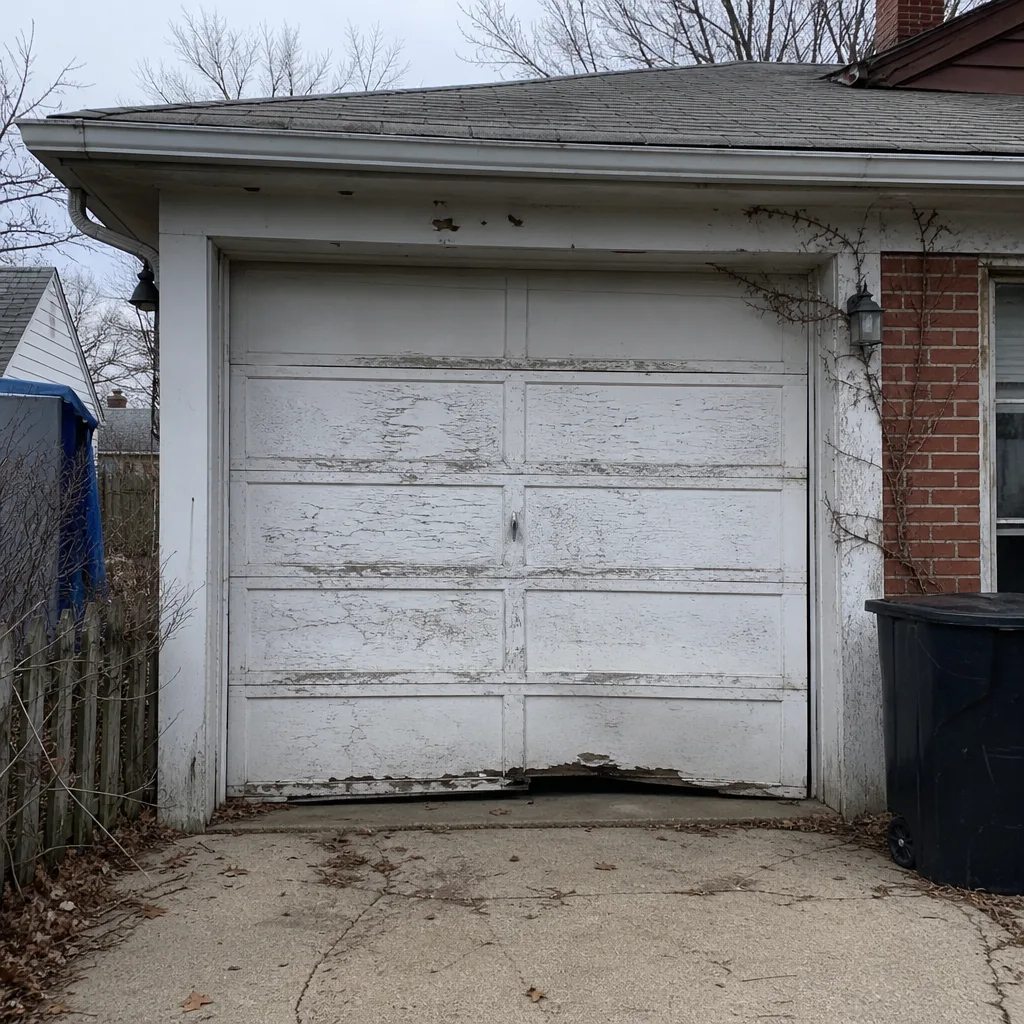 Before
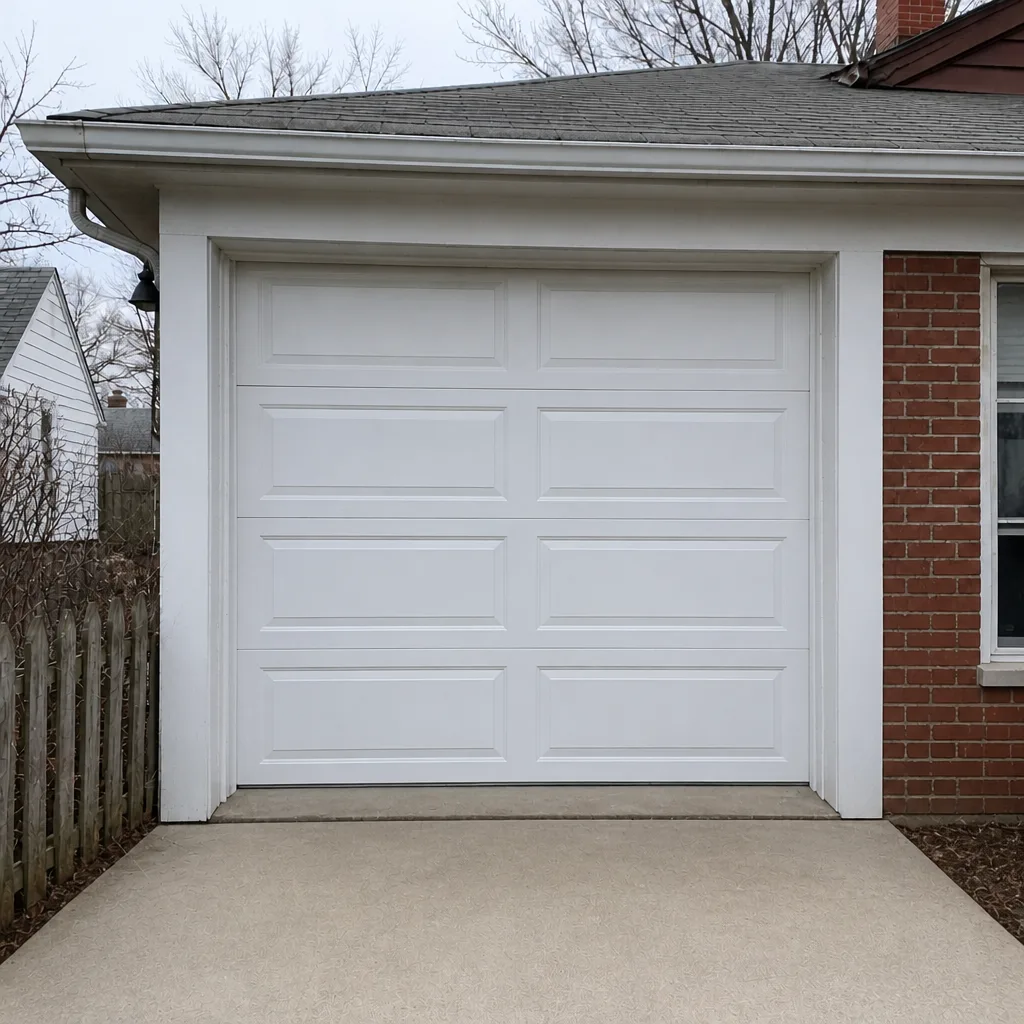 After
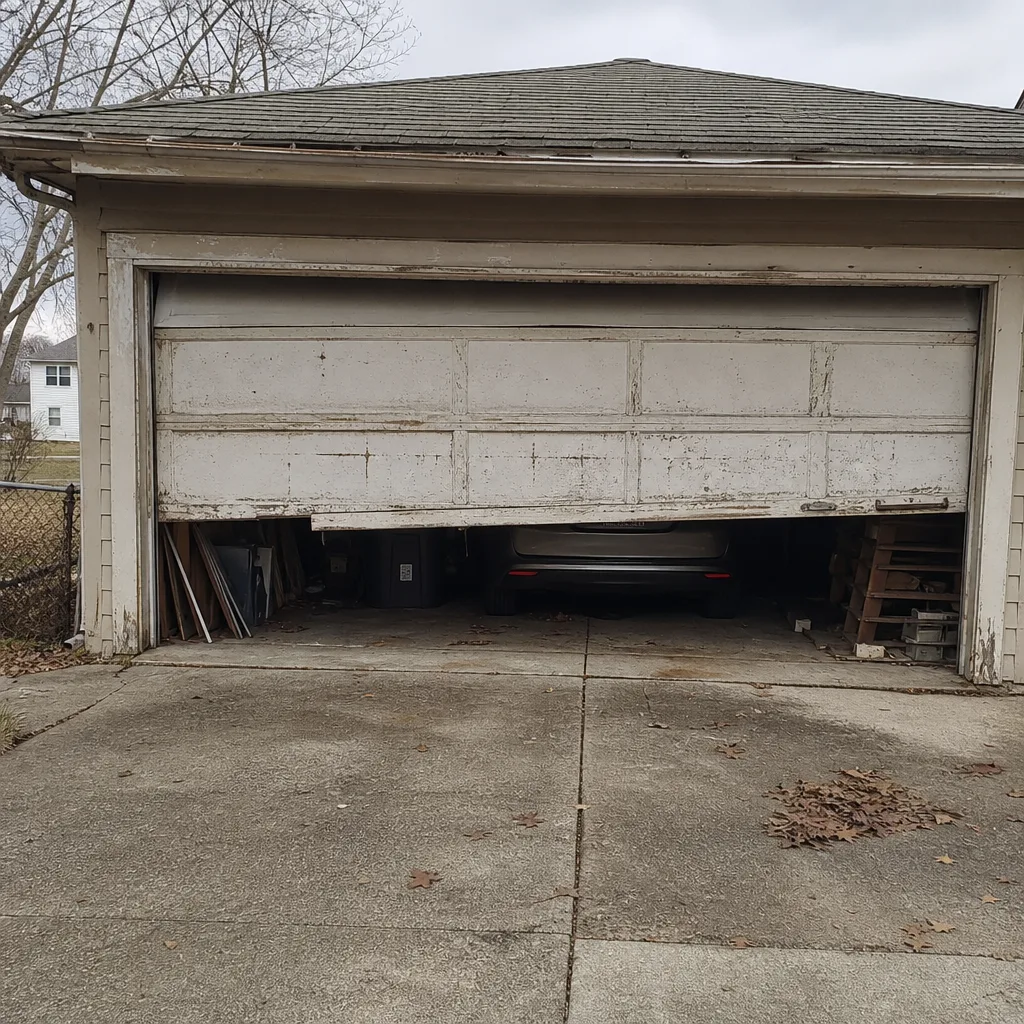 Before
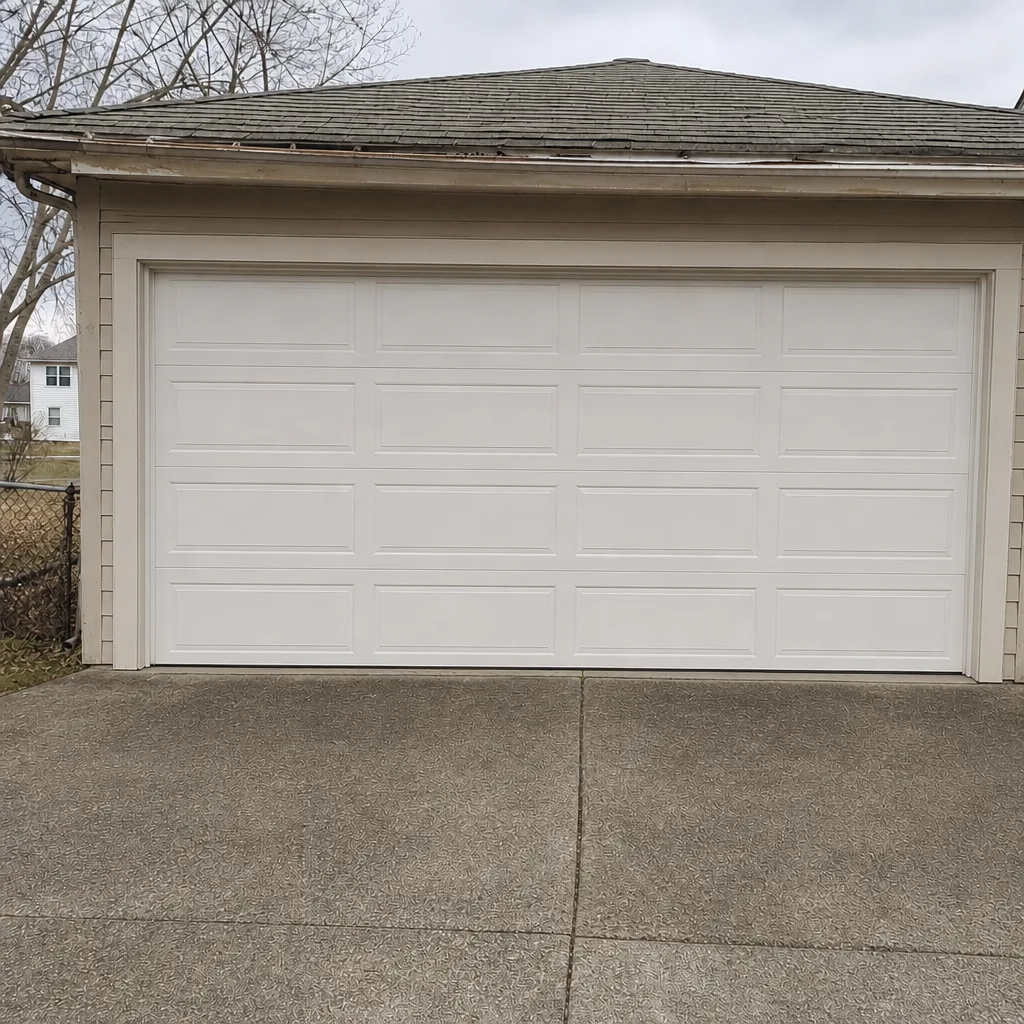 After
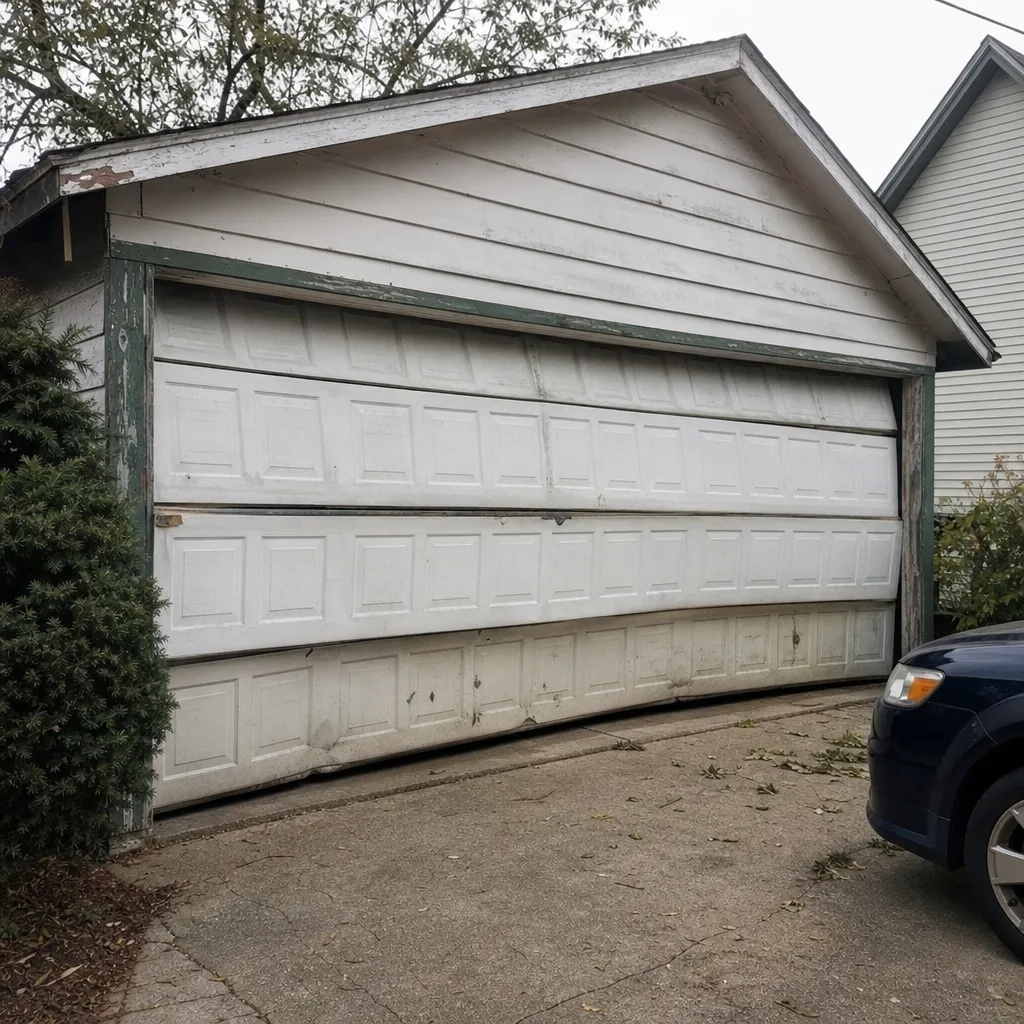 Before
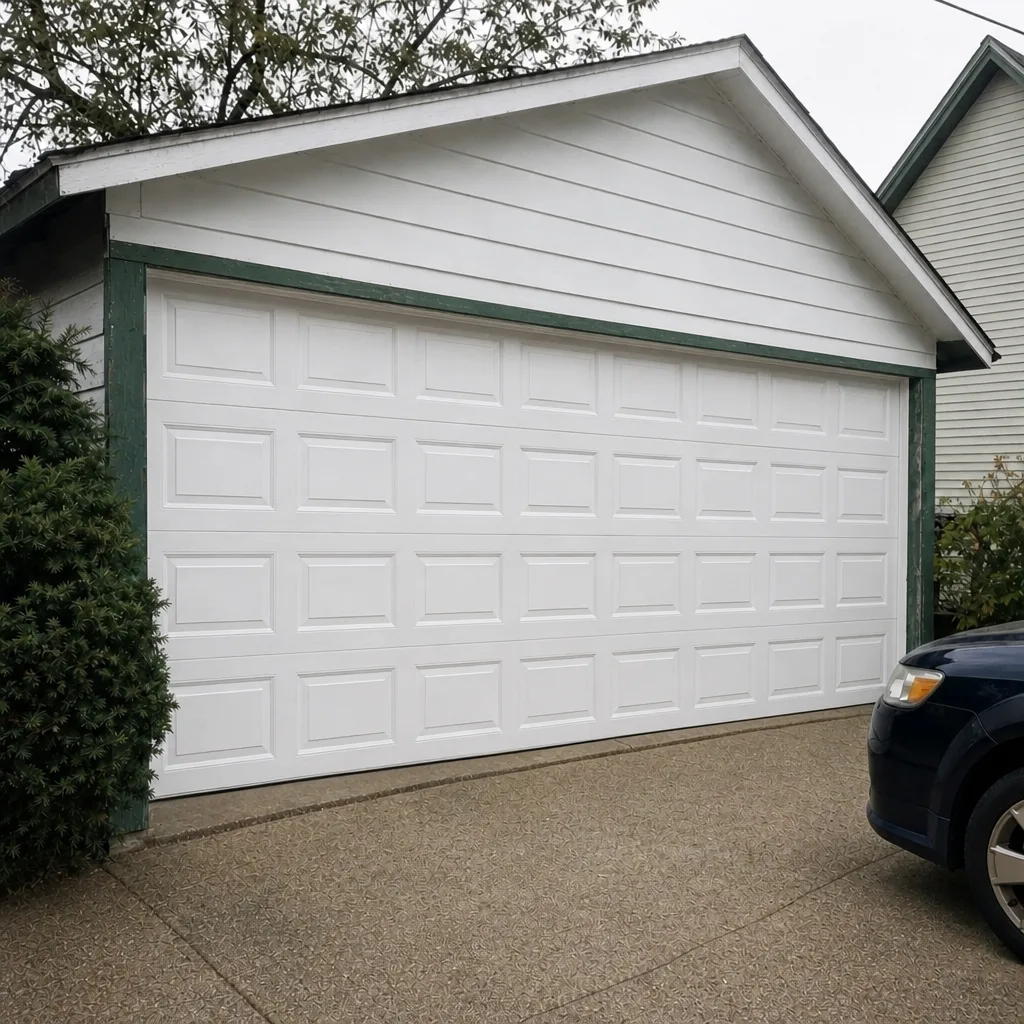 After
Frequently Asked Questions
Most garage door repairs in Clintonville fall between $90 and $750 depending on the component: rollers and hardware sit at the low end, a single spring replacement typically runs $180 – $340, and an opener replacement installed runs $350 – $750. The written quote you get sets the final price. Call (844) 660-4497 for an exact quote – estimates are free.
A single torsion spring replacement typically costs $180 – $340, and a matched pair runs about twice that at $360 – $680 because both springs should be replaced together. Extension springs sit slightly lower. The written estimate is the price you pay, and we quote it before starting. Call (844) 660-4497 for an exact quote – estimates are free.
Yes, for repair and emergency work we can often come the same day, with fast dispatch from 7am to 7pm. Spring failures, doors off track, and openers that have quit are the calls we prioritize. Call (844) 660-4497 and we’ll confirm timing. Estimates are free.
No. We quote and agree the price before any work starts, and the written estimate is what you pay. If we open up the door and find something a visual inspection couldn’t catch, like a compromised header or rusted track, we’ll stop and tell you before doing anything that changes the number. Call (844) 660-4497 for a free estimate.
The local professionals we connect you with are licensed and insured as their state requires, and our technicians have up to 11 years of experience with spring work, openers, and full door installs. We work across all major brands, so your existing system is already within scope. Call (844) 660-4497 for a free estimate.
Repair is usually cheaper when the door’s structure is sound and only a component has failed – a spring, a panel, or the opener. Replacement makes more sense when multiple panels are damaged, the door is very old with failing hardware throughout, or you want insulation and a quieter door. A single panel replacement typically runs $250 – $600, while a full new door installed runs $900 – $2,800. Call (844) 660-4497 for a free estimate and we’ll tell you which makes sense for your door.
The Bottom Line
The best garage door quote isn’t the lowest number on the page – it’s the one you can read line by line and understand. Price your job from the components: the spring type and whether it’s a single or a pair, the gauge and insulation of your door material, the opener grade, and the hidden items like disposal, electrical, and header support. Compare itemized bids on scope and part quality, not just totals, and treat the safety work as non-negotiable. When a technician knows your brand and quotes the price before starting, the number on the estimate is the number you pay. That’s how to keep a Clintonville garage door job from turning into a bigger invoice than you agreed to.
Ready for a real number instead of a range? Call Garage Door Repair Clintonville at (844) 660-4497 for a free estimate. We’ll walk your door, read your system, and give you a written quote you can compare.
Written by the team at Garage Door Repair Clintonville.