Last updated November 21, 2026
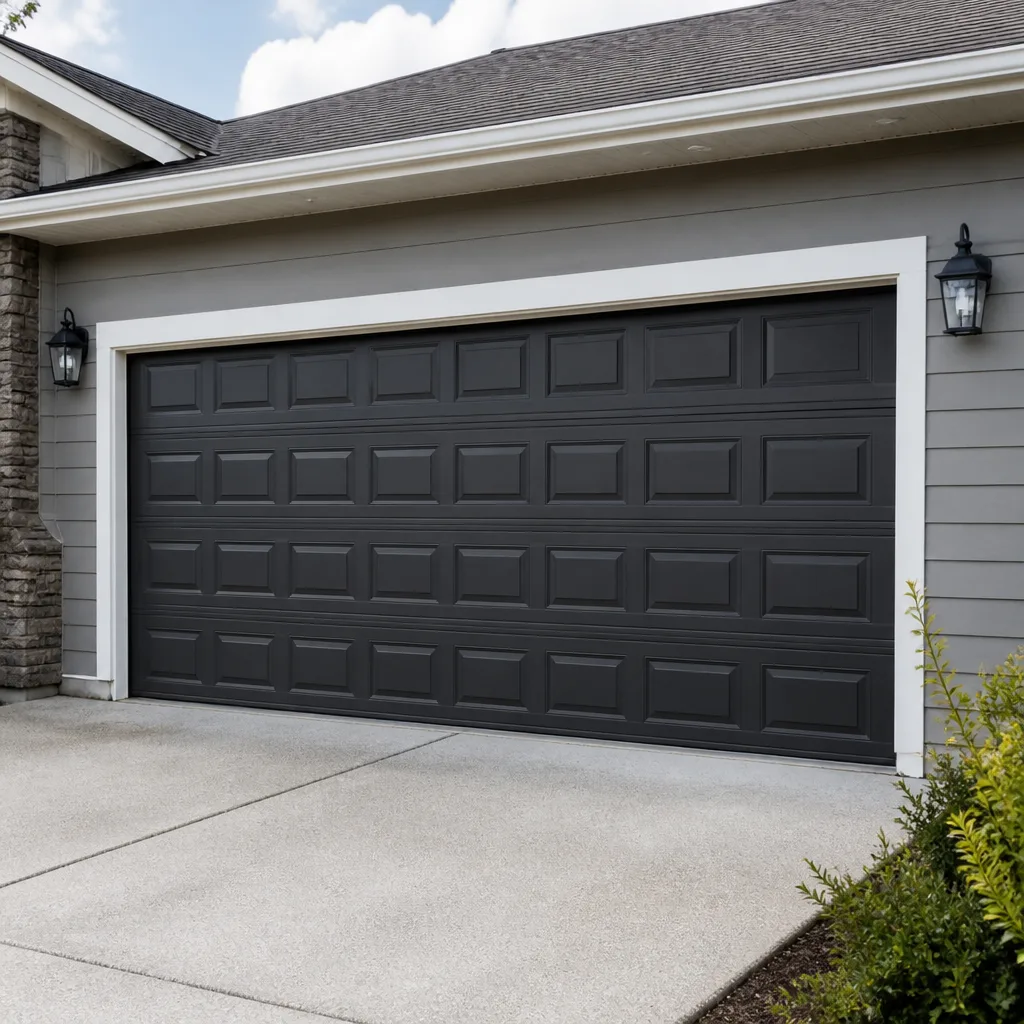 Raised-panel steel
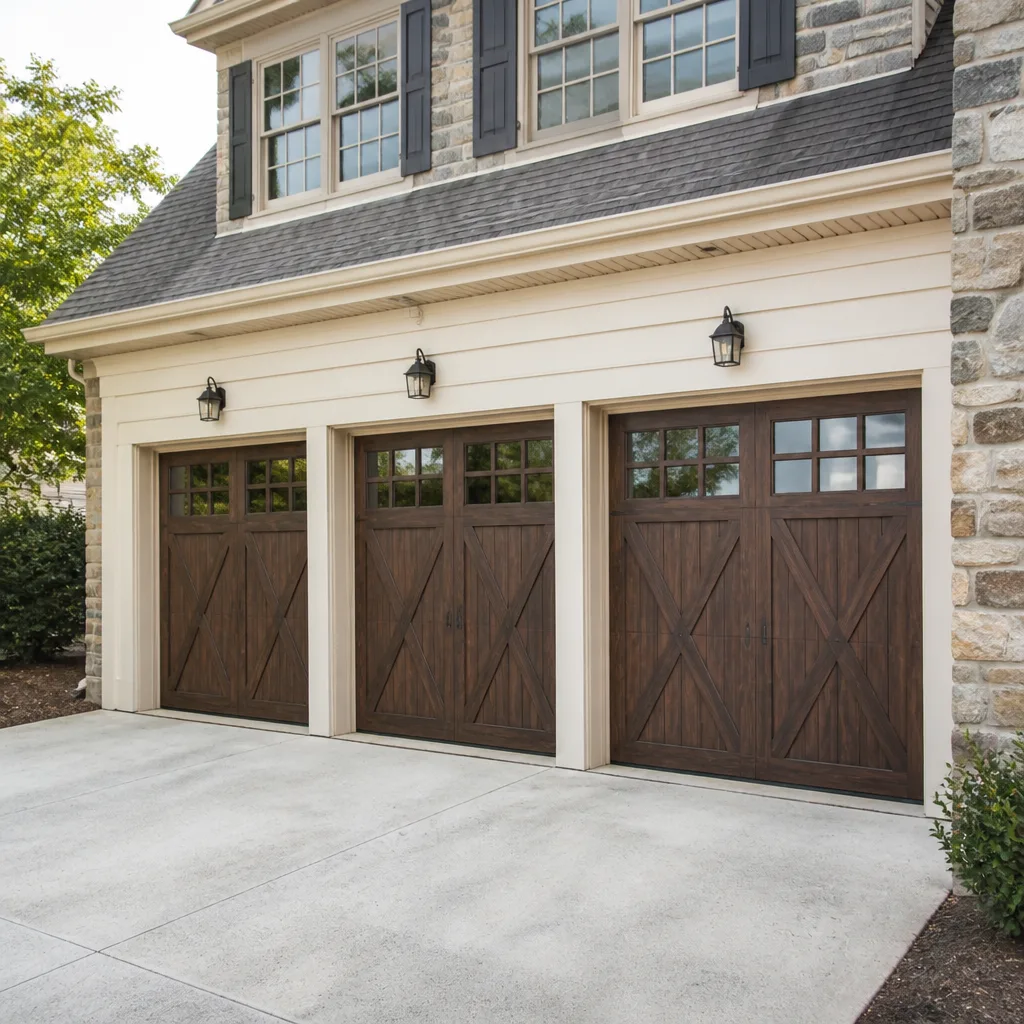 Carriage house
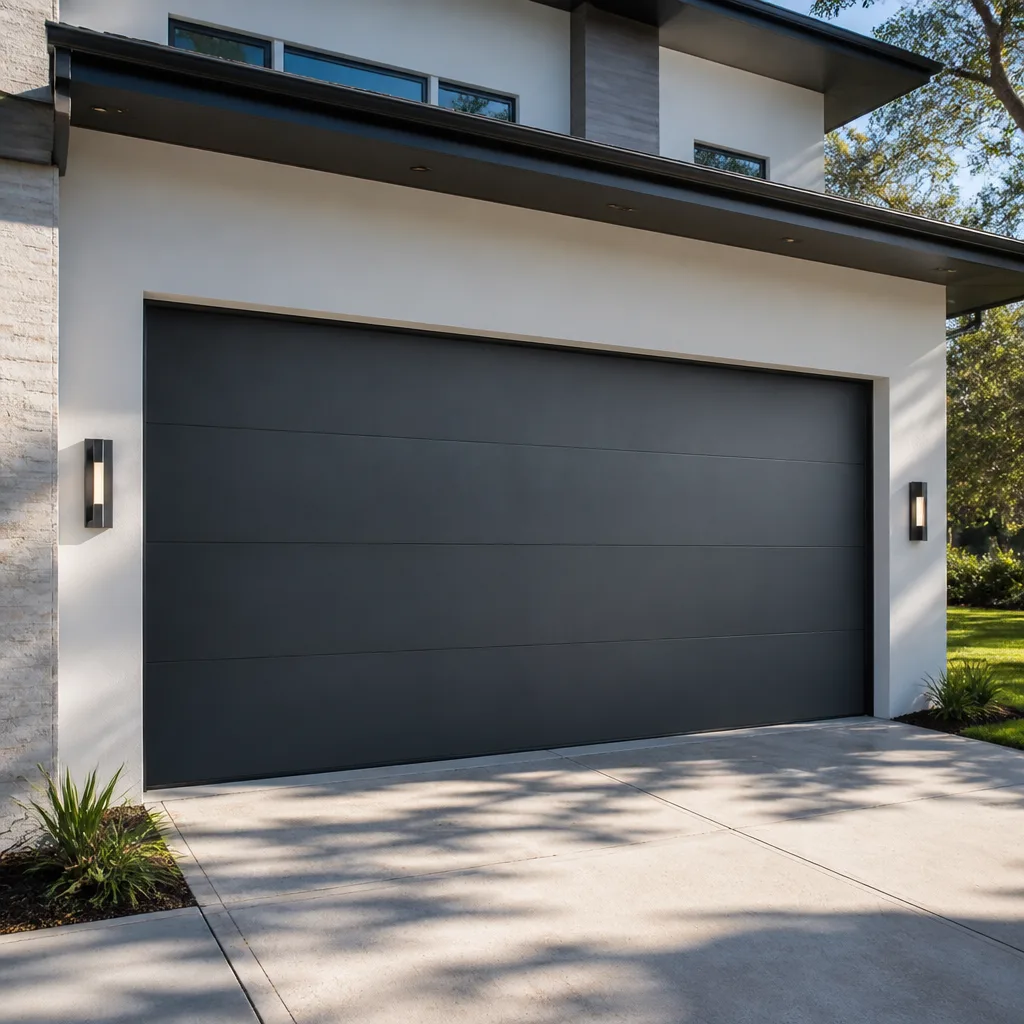 Modern flush
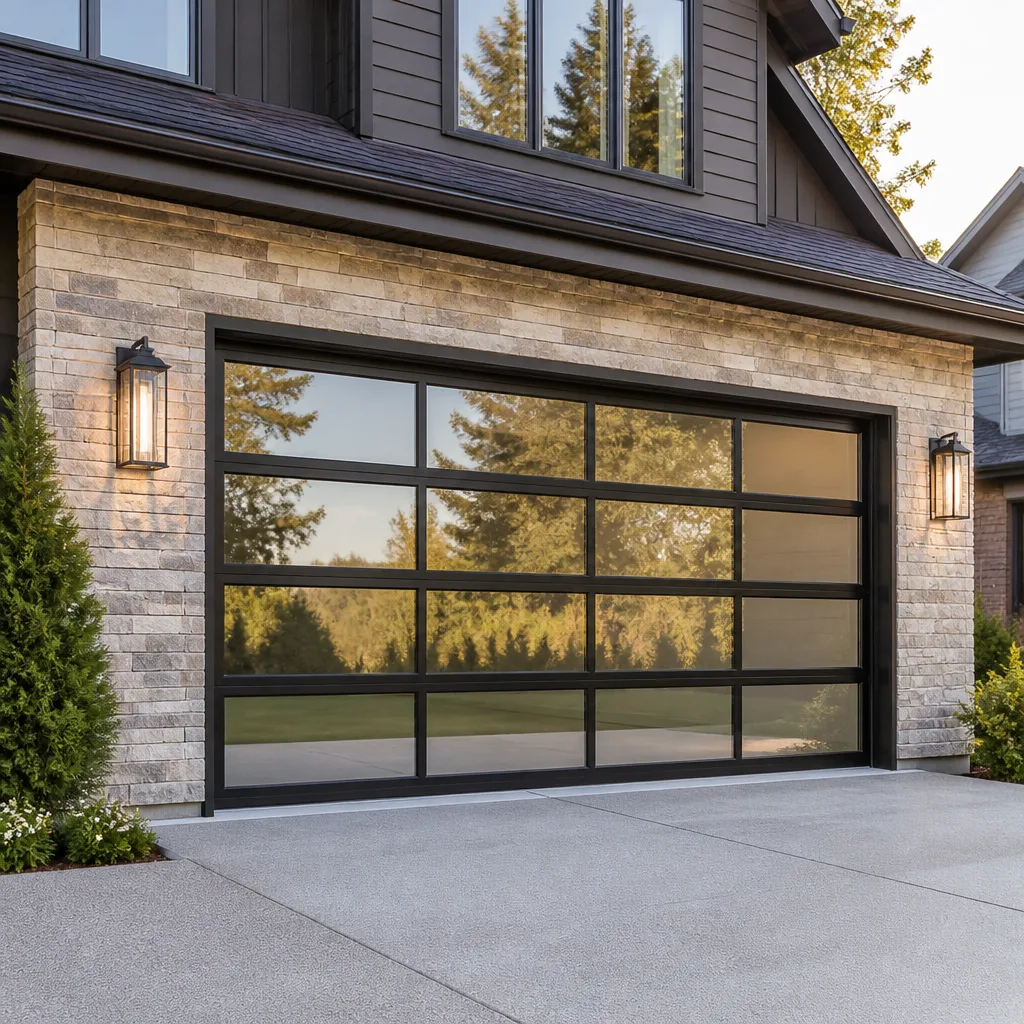 Full-view glass
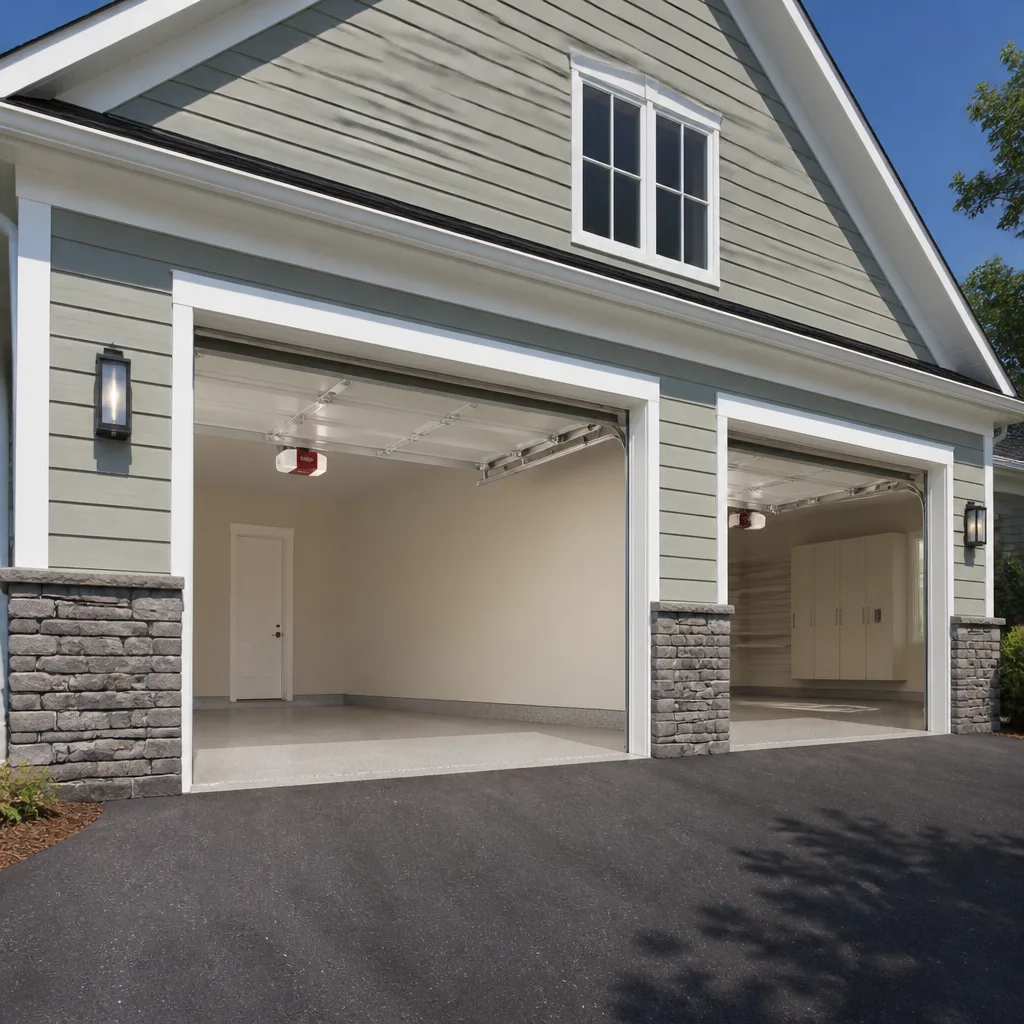 LiftMaster openers
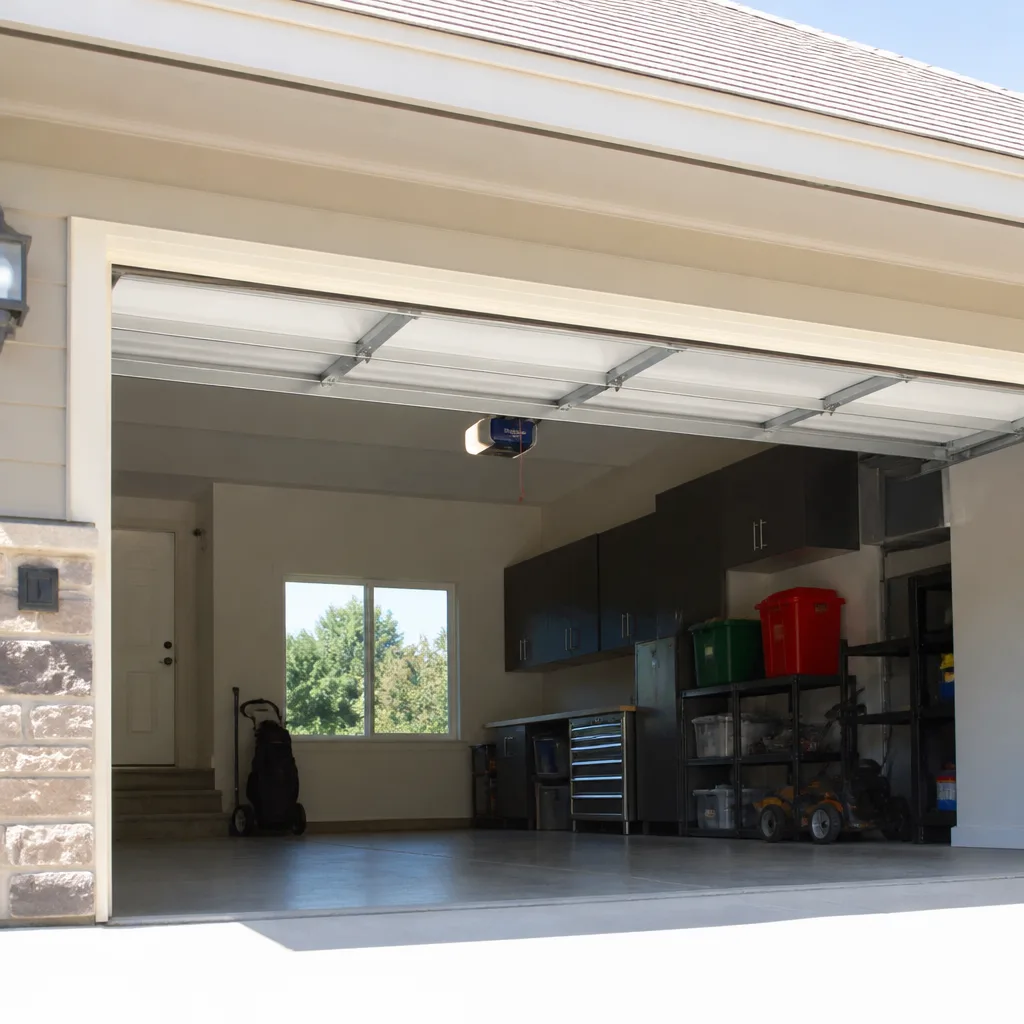 Chamberlain openers
Full 25-point door and opener safety check with every visit - springs, cables, rollers, tracks, and your LiftMaster or Chamberlain opener included
You get a price before we start. It does not change when the pro arrives.
Get your free estimateThe Complete Guide to Garage Doors in Clintonville
Most Clintonville garages were built before torsion spring systems existed. That one fact changes almost everything about how you should think about repairing, upgrading, or replacing a garage door here. The “standard” advice you’ll find on generic buying guides often assumes a postwar suburban opening with a torsion setup and a clean, level header. Plenty of homes in Clintonville were framed decades earlier, with extension springs, non-standard rough openings, and wood jambs that have been absorbing central Ohio weather for generations. This guide starts from that architectural reality, not from a template. We’ll walk through how the housing stock shapes your options, which materials survive the local thermal swings, which brands are already on your wall, how to read your spring setup, and when a framing issue has to be solved before any new door goes up. Our technicians have up to 11 years of experience, and the questions that come up most often in Clintonville are exactly the ones we’ll answer here.
Quick Answer
Garage door work in Clintonville is shaped by pre-1970 construction: extension springs are common, rough openings often don’t match modern standard door sizes, and aging wood jambs frequently need attention before a new door can be installed safely. Choosing the right door or opener here means starting with what’s actually framing your opening, not with a catalog. A professional measure and a written estimate, quoted and agreed before any work starts, is the only reliable way to know what your specific garage needs.
Styles & brands we work with
- Raised-panel steel
- Carriage house
- Modern flush
- Full-view glass
- LiftMaster openers
- Chamberlain openers
Table of Contents
- How Clintonville’s Housing Stock Shapes Garage Door Work
- Rough Openings and Header Clearance in Older Garages
- Which Door Materials Hold Up in Central Ohio Weather
- The Brand Landscape in Clintonville and Why It Matters
- How to Read Your Existing Spring Setup
- When Framing Repair Comes Before a New Door
- Openers, Smart Systems, and What Fits Your Door
- How to Choose a Garage Door in Clintonville
How Clintonville’s Housing Stock Shapes Garage Door Work
Clintonville is a dense neighborhood of brick colonials from the 1920s and 1930s sitting beside postwar ranches from the 1940s through the 1960s. Those two building eras produced very different garages, and both show up on the same street. Understanding which era your home belongs to tells you a lot about what’s behind your door before anyone touches it.
Garages from the 1920s and 1930s were typically built for cars that were smaller and for detachable single-panel doors. Many were detached, dimensioned slightly differently than what a modern installer would expect, and framed with wood that has since moved, settled, and swelled through countless freeze-thaw cycles. Postwar ranches added more attached garages, but not always with the 16-foot-by-7-foot opening that became standard later. What this means in practice:
- Your opening may be an inch or two off from a standard door size, which affects what can be ordered directly and what needs a custom or modified fit.
- Your header height above the opening may be shallower than a modern torsion system requires, which constrains where the spring and hardware can mount.
- Your jamb material may be original wood rather than a modern weather-clad assembly, which changes how a new door seals and hangs.
- Your garage floor may have settled or sloped over time, which matters for any door that needs to close evenly against a seal.
None of this makes an older Clintonville garage a problem. It makes it specific. A technician who works here regularly knows to measure rather than assume, and to look at the framing and header before recommending a system. When we talk to homeowners in Clintonville about garage door repair, the first step is almost always getting the actual dimensions of the opening and the conditions around it, because the equipment has to fit what’s there.
Rough Openings and Header Clearance in Older Garages
The rough opening is the framed hole your door sits in. It’s the dimension that decides what door you can buy, and it’s the single most common reason a Clintonville homeowner ends up frustrated by an online purchase that doesn’t fit. In newer construction, the rough opening is usually close to a standard size. In a garage built between the 1920s and 1960s, it may not be.
Here’s what we check before recommending any door:
- Width and height of the opening itself. We measure at the top, middle, and bottom, because old framing can be out of square and a single measurement hides that.
- Header clearance above the opening. Torsion systems need room for the shaft, springs, and drums. If the header is shallow, the system has to be configured differently or the space reworked.
- Side clearance for track mounting. The vertical tracks need a surface to attach to. In tight garages, this limits track configuration and door thickness options.
- Ceiling height and backroom. A door has to travel backward along the ceiling. Low ceilings or obstruction (pipes, ducts, storage) change the hardware that will work.
- Jamb condition. We look for rot, splitting, and how the existing seal was mounted, because a new door needs a sound surface to seal against.
If the measurements come back close to standard, you have a wide range of options. If they’re off, the answer is either a modified install or a made-to-fit door, and the estimate should say clearly which. This is why a free measure matters more than a price list. What’s on the wall of your Clintonville garage determines what’s actually available to you.
Which Door Materials Hold Up in Central Ohio Weather
Central Ohio is hard on garage doors in a specific way: winters swing cold and wet, summers run hot and humid, and both seasons alternate within the same month. The material question in Clintonville isn’t about which door looks best on day one. It’s about which one still works after years of that cycle.
A quick comparison of the three common family of materials:
- Steel: The most common choice, and for good reason. It’s stable through temperature swings, resists moisture, and holds its shape. Its weakness is dents from impact and paint or finish that needs refreshing over time. For a Clintonville garage that’s already framed for a standard opening, steel is usually the practical default.
- Wood and wood composite: Warm appearance and it can be repaired and refinished, which pairs well with brick colonials where the garage is visible from the street. The tradeoff is moisture. Original wood jambs and wood-faced doors need attention to sealing and finish to survive humid summers and freeze cycles, and neglect shows up as swelling and rot before it shows up as a hardware problem.
- Aluminum: Lightweight and resistant to rust, good in humid conditions but softer against impact than steel. It’s a reasonable fit for some applications but not the first pick where a door takes regular knocks.
In our experience, the mistake we see most is choosing a material for looks without thinking about the jamb it hangs from. A wood composite door on a wood jamb that’s already past its life means spending money on the door and not the foundation. The best time to decide on material is after the framing has been checked. If the wood around the opening needs replacement, that changes the plan, and it changes the estimate too.
The Brand Landscape in Clintonville and Why It Matters
Walk down a Clintonville block and you’ll find a fairly consistent set of names on the doors and openers in use. Clopay doors are common on the more recent replacement work, Amarr shows up alongside, and Wayne Dalton systems are on plenty of homes where an earlier replacement happened. On the opener side, Genie units are widespread across the neighborhood’s garages. Knowing which brands dominate matters for one practical reason: parts availability.
When a technician recognizes your system, they can source the right component without guesswork. That usually means a fix in the same visit rather than a second appointment. The alternative is the scenario everyone dreads: a technician diagnoses the problem, then tells you they need to order a specific part, and you wait. We work on all major door and opener brands, including LiftMaster and Chamberlain openers, and the whole point of that breadth is to close the gap between “what’s wrong” and “it’s fixed.”
Brand also affects repair versus replace decisions. A door from one of the major manufacturers usually still has parts support even when it’s older, which means a spring, a roller, or a section can be replaced rather than the whole door. A no-name door can leave you without options. If you’re unsure what’s on your garage, look for a label or stamp on the inside of the door panel and on the opener motor housing. Knowing your brand and model before anyone arrives shortens the process and gets you a more accurate estimate.
Homeowners often ask whether brand determines who can work on a system. It doesn’t, provided the technician knows the engineering. The differences between these systems are real, from spring configuration to opener logic boards, but they’re learnable and specific. What matters is that the brand on your door is one the technician works with regularly, not one they’ll be meeting for the first time.
How to Read Your Existing Spring Setup
This is where Clintonville’s older garages matter most. There are two spring systems you’ll encounter, and knowing which one you have tells you a lot about replacement options and safety.
Extension springs run parallel to the horizontal tracks along the sides of the door, stretching and contracting as the door moves. They’re common in older homes, including many in Clintonville. Extension springs generally cost less to replace individually, but that’s not the whole story. They require safety containment, and if one fails it can release with force. A matched pair should be replaced together even when only one has broken, because a new spring beside an old one means uneven tension.
Torsion springs mount on a shaft above the door and do their work through winding and unwinding. They’re the standard in newer construction and are common on newer doors. They’re typically replaced as a set and require proper winding bars and training to work on safely.
Here’s a simple way to check which you have:
- Look along the side tracks of the door. Springs running horizontally down the side are extension springs.
- Look above the center of the door for a metal shaft with coiled springs on it. That’s torsion.
- If you see one spring on the shaft, it’s a single torsion setup; two springs mean a pair.
- Don’t touch, adjust, or try to release either system yourself.
Springs are a safety issue, not just a repair call. Both types store enormous energy, and a mistake can cause serious injury. We handle spring work as a specialty because it requires the right tools and the right habits. When we look at a broken spring in a Clintonville garage, the conversation is usually about what a replacement pair costs, what condition the rest of the system is in, and whether the door’s existing setup is worth keeping or upgrading. That’s a judgment call best made on site, with the door in front of us.
When Framing Repair Comes Before a New Door
A new door bolted to a failing frame is a bad investment. In Clintonville, where plenty of garages have been through generations of weather, framing condition is something to check before you buy, not after. The tricky part is that framing problems don’t always look like framing problems. They show up as a door that won’t seal, a track that keeps coming loose, or a gap at one corner.
These are the conditions that typically call for framing work before installation:
- Soft or rotted wood at the jamb. If the wood gives when pressed, a new door has nothing sound to hang from or seal against.
- A header that’s sagging or cracked. This affects the entire opening and, in serious cases, means the door structure needs support before anything else.
- Out-of-square framing. Small differences are manageable. Larger ones mean the opening has to be corrected before a standard door will operate correctly.
- Loose or deteriorated side framing. The vertical tracks depend on solid attachment points.
None of this is unusual in a 1920s or 1950s Clintonville home. It’s the natural result of time and weather. What matters is that it’s caught before a new door is ordered. A proper assessment looks at the framing as part of the installation scope, not as a surprise after the door is delivered. If your project involves garage door installation, the written estimate should be clear about whether framing work is included, and if it is, exactly what’s included.
Openers, Smart Systems, and What Fits Your Door
An opener is a second system layered on top of the door, and it fails in its own specific ways. The common signs are a motor that runs but doesn’t move the door, a remote that stops working, a door that reverses halfway down, or a unit that trips the wall button repeatedly. Some of these are opener problems. Some are door problems the opener is just reflecting. Diagnosing which is which before replacing anything saves money.
The brand you already have matters here. Genie, LiftMaster, and Chamberlain cover most of what’s installed in Clintonville, and each has its own service parts and logic board behavior. Craftsman and Raynor units turn up too. If your opener is old and parts are no longer made for it, the repair-versus-replace conversation becomes straightforward: a new unit usually costs less than keeping an obsolete one on life support.
Smart openers are worth a serious look if you’re replacing, but they bring constraints. Some systems work best with specific door weights, and an opener matched to the wrong door will wear out faster or fail safety-reversal tests. When you call for garage door opener repair, the first question we ask is what your door is doing when the opener acts up, because it tells us which system is actually at fault. A new opener on a door with a bad spring won’t solve anything.
How to Choose a Garage Door in Clintonville
Choosing a door here is a process, not a product decision. Start with what you have and work outward to what you want. This order of operations keeps you from paying for a door the framing can’t support.
- Measure the opening and check the framing. This tells you what sizes and systems are actually available to you.
- Decide what you’re solving for. Insulation and quiet operation for an attached garage next to living space, appearance for a street-facing garage on a brick colonial, or durability if you’re starting from a failed door.
- Choose the material with the seasonal cycle in mind. Steel for stability, wood composite for looks with a plan for upkeep, aluminum where weight matters.
- Match the opener to the door. Weight, balance, and safety reversal are not optional.
- Get a free measure and a written estimate. Quoted and agreed before any work starts.
The last step is the one that matters most. A well-run project has one document that says what’s being installed, whether framing or hardware work is included, and what the final price is. There’s no true shortcut around a real measurement on an older Clintonville garage.
Common Mistakes to Avoid
- Ordering a standard-size door without measuring an older opening. A pre-1970 Clintonville garage is often a half-inch or more off standard, and that gap is the difference between a clean install and a return.
- Replacing one extension spring and leaving the other. Mismatched springs mean uneven tension and faster wear. Replace them as a pair.
- Assuming the opener is the problem when the door is. A door out of balance will make any opener struggle. Diagnose the door first.
- Skipping the framing check to save on the estimate. Rotted jambs and sagging headers show up as recurring problems long after installation, and fixing them later costs more.
- Choosing a wood door without a plan for sealing it. Central Ohio’s humid summers and freeze cycles will test the finish, and the sealing plan should be on paper before the door is ordered.
- Attempting spring work yourself. Both spring types store dangerous energy, and the tools and technique matter. This is a trained-professional job.
- Buying from a brand with no parts support in the area. A door or opener whose parts can’t be sourced locally becomes a whole-unit replacement sooner than it should.
See the difference
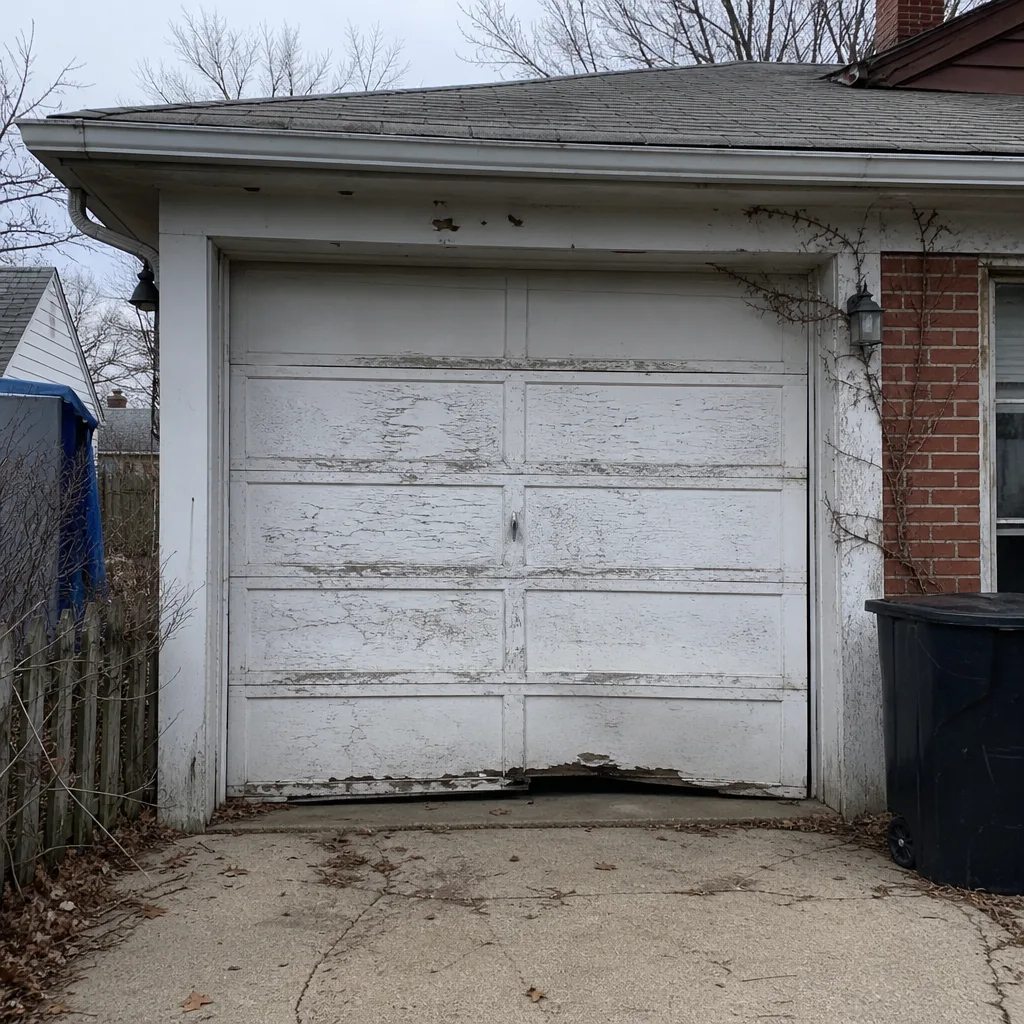 Before
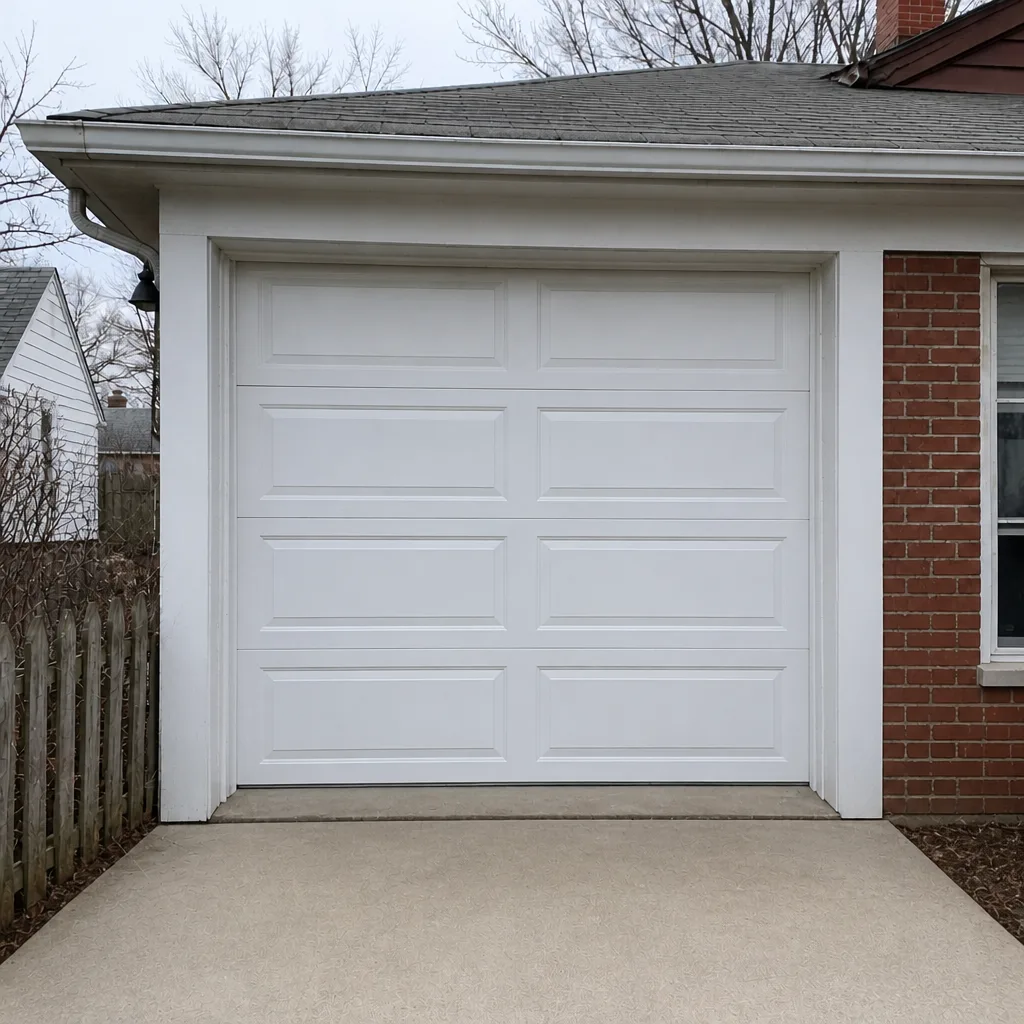 After
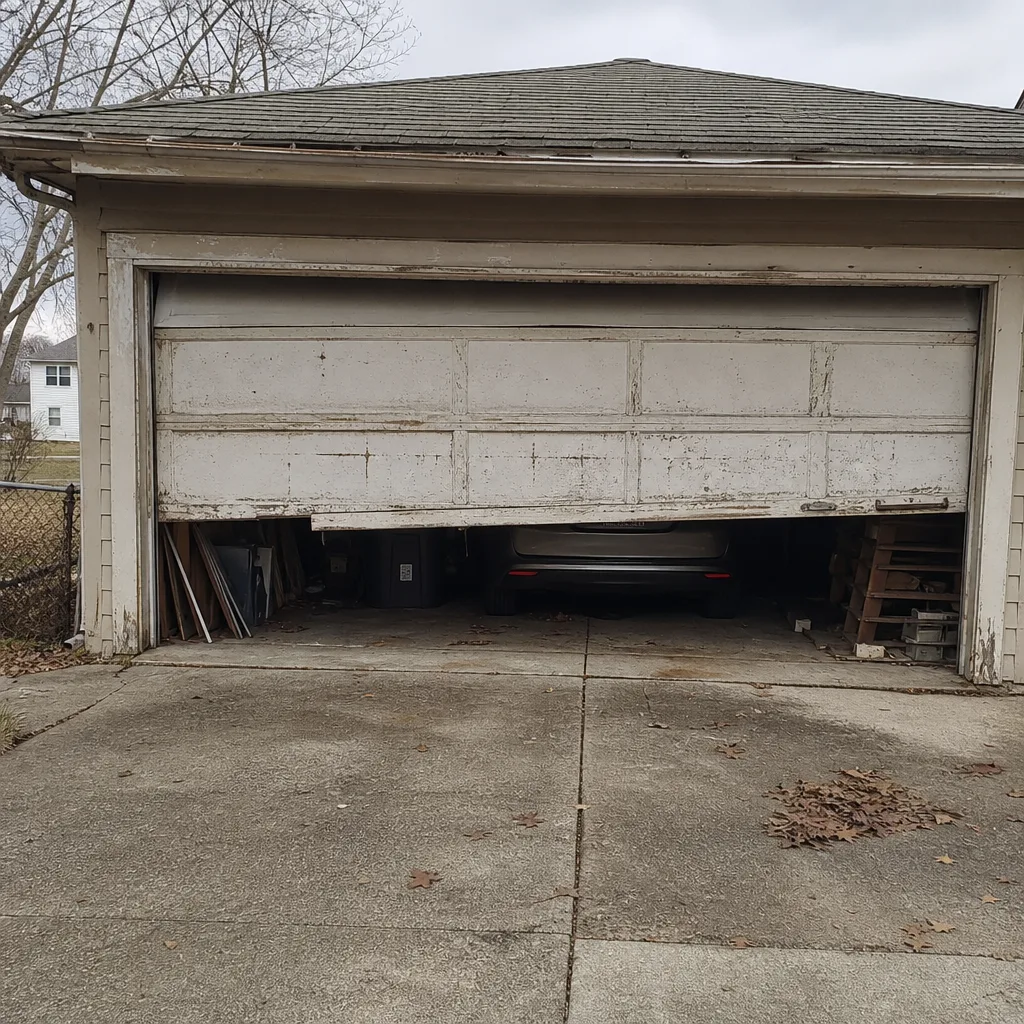 Before
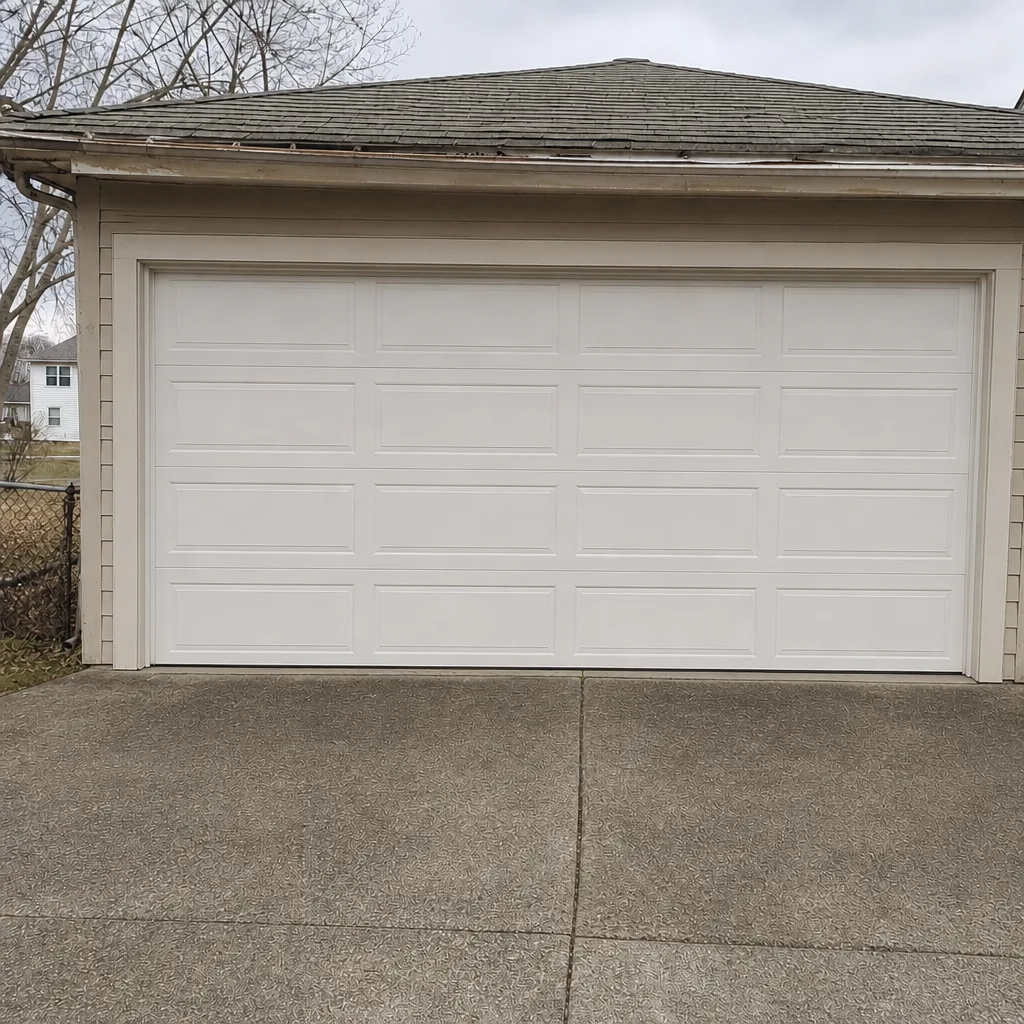 After
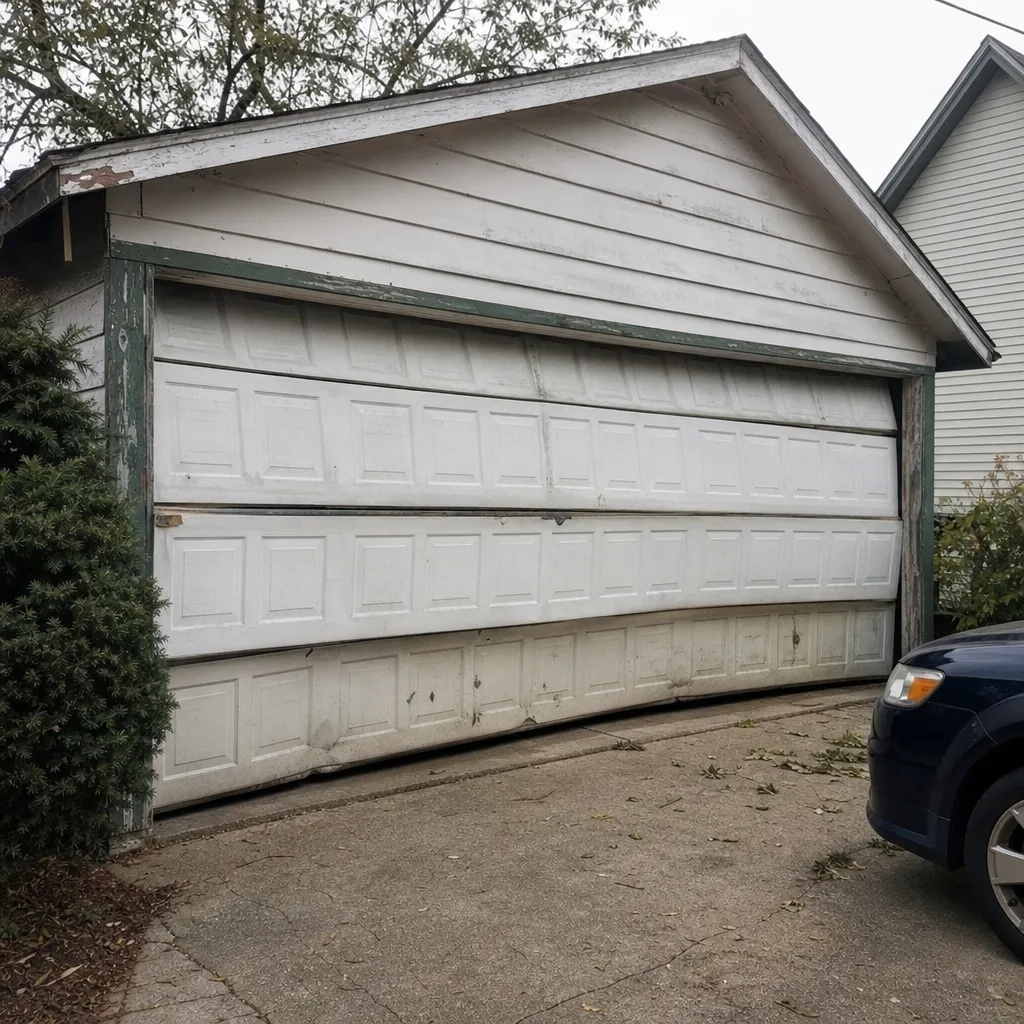 Before
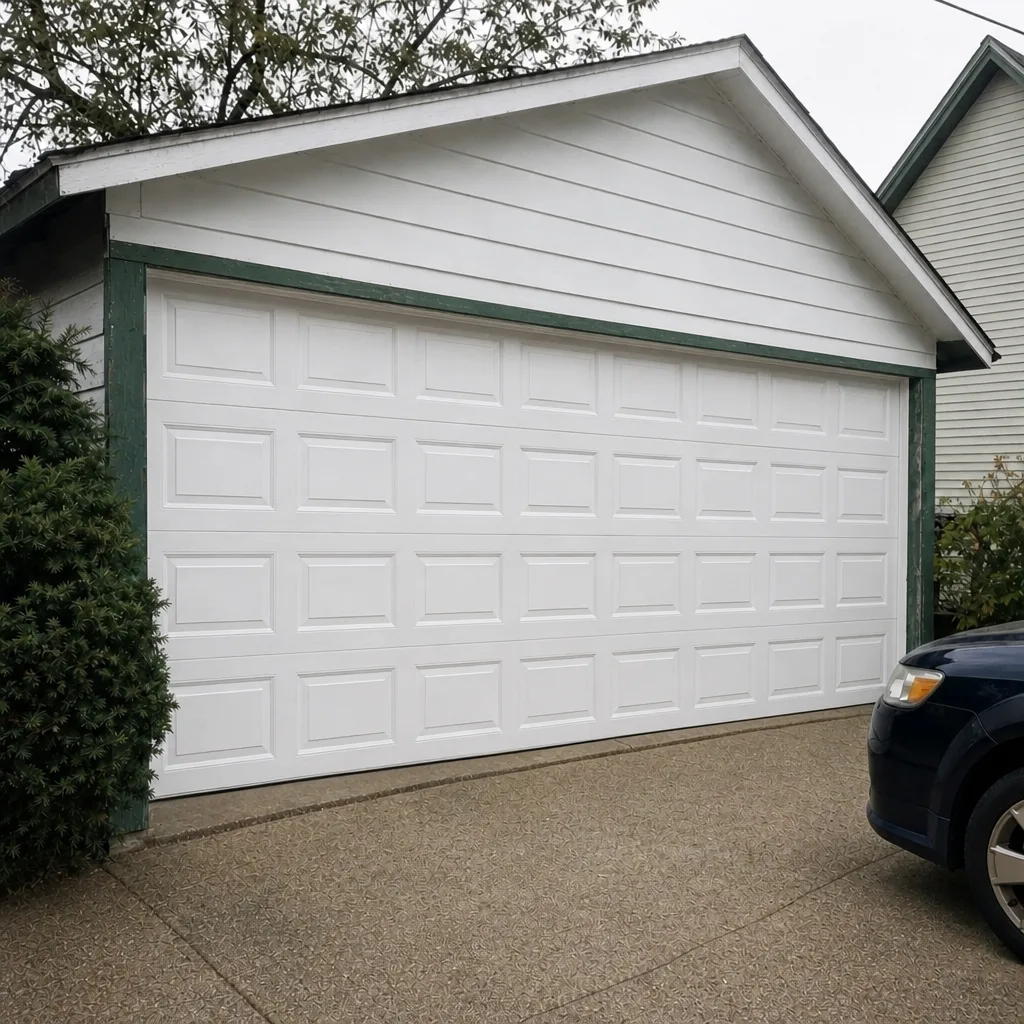 After
When to Call a Professional
Some garage door work genuinely calls for a professional. A broken spring of either type is at the top of the list, along with any door that’s come off its tracks, a door that won’t reverse on contact, and a header or jamb that’s soft or moving. Opener problems where the motor runs but nothing happens, or a smart opener that’s stopped pairing, are worth a call too, because the cause is often in the door, not the opener. If you’re planning a new door, a professional measure and written estimate are the only way to know what will actually fit. Garage Door Repair Clintonville offers free estimates in Clintonville. Call (844) 660-4497.
Frequently Asked Questions
Extension springs are common in Clintonville’s older garages, while torsion springs are typical on newer construction and doors that have been replaced more recently. The fastest way to know is to look for horizontal springs along the side tracks (extension) versus a coiled spring on a shaft above the door (torsion). Whichever you have, spring work should be handled by a trained professional.
Sometimes, but not always. Many pre-1970 garages in Clintonville have rough openings that are slightly off standard, and header clearance or jamb condition can also require adjustment. A free measure tells you clearly whether a standard door will fit or whether a modified or made-to-fit option is needed. The written estimate should state which before anything is ordered.
Clopay, Amarr, and Wayne Dalton doors turn up often in Clintonville, and Genie openers are widespread, with LiftMaster and Chamberlain also common. Knowing your brand matters because it affects parts availability and repair versus replace decisions. We work with all major brands, so your existing system is likely already within scope.
Cost depends on what’s failed and what your door system is. A spring replacement, a track realignment, and an opener repair are different jobs with different parts and labor. We provide a free estimate with the price quoted and agreed before any work starts, so you know the final number upfront. Call (844) 660-4497 for an exact quote.
Because a new door has to hang from something sound. In Clintonville’s older garages, soft wood jambs, sagging headers, and out-of-square framing are common after decades of weather, and a new door on a failing frame won’t seal or operate reliably. Framing work is usually spotted during the pre-installation measure and built into the estimate.
No. Both extension and torsion springs store significant energy, and releasing or adjusting them without the right tools and training can cause serious injury. This is a safety-critical job, and it’s one place where the cost of a professional is money well spent. Call us before touching the springs.
The Bottom Line
Clintonville’s garages are older and more varied than the standard buying guides assume, and that changes the right approach. Start with the opening and the framing, not the catalog. Know whether you have extension or torsion springs before you plan a replacement. Match your door material to the central Ohio seasonal cycle, and match your opener to the door it’s actually moving. Recognize the brands already installed in the neighborhood, because parts availability turns a diagnosis into a same-visit fix. And get a written estimate before anything is ordered. Those steps are what turn a Clintonville garage door project from a gamble into a plan.
Contact
If you’re in Clintonville and your garage door is broken, acting up, or due for replacement, we can help. We work on all major door and opener brands, handle spring repair as a specialty, and provide free estimates with the price quoted and agreed before any work starts. Call (844) 660-4497 for a free estimate, or reach out through Garage Door Repair Clintonville to get started.
Written by the team at Garage Door Repair Clintonville.