Last updated November 21, 2026
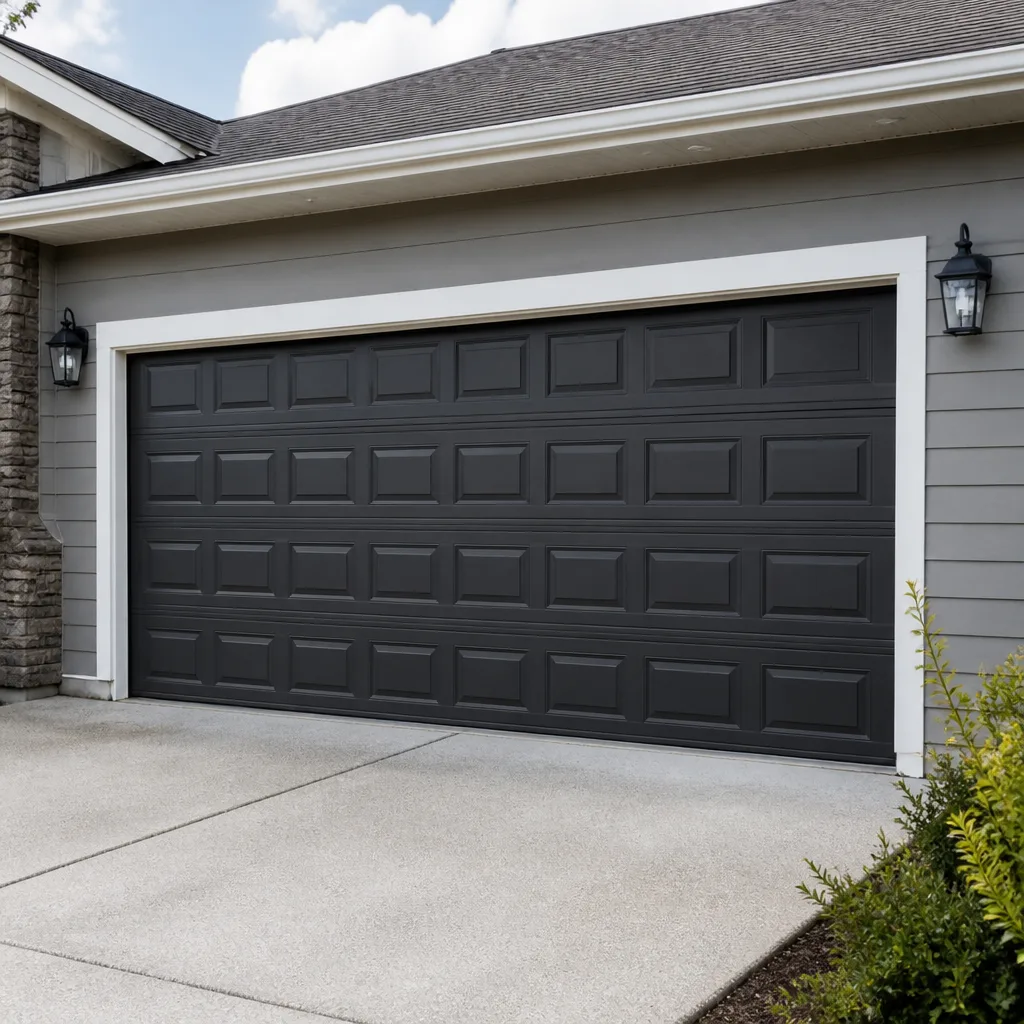 Raised-panel steel
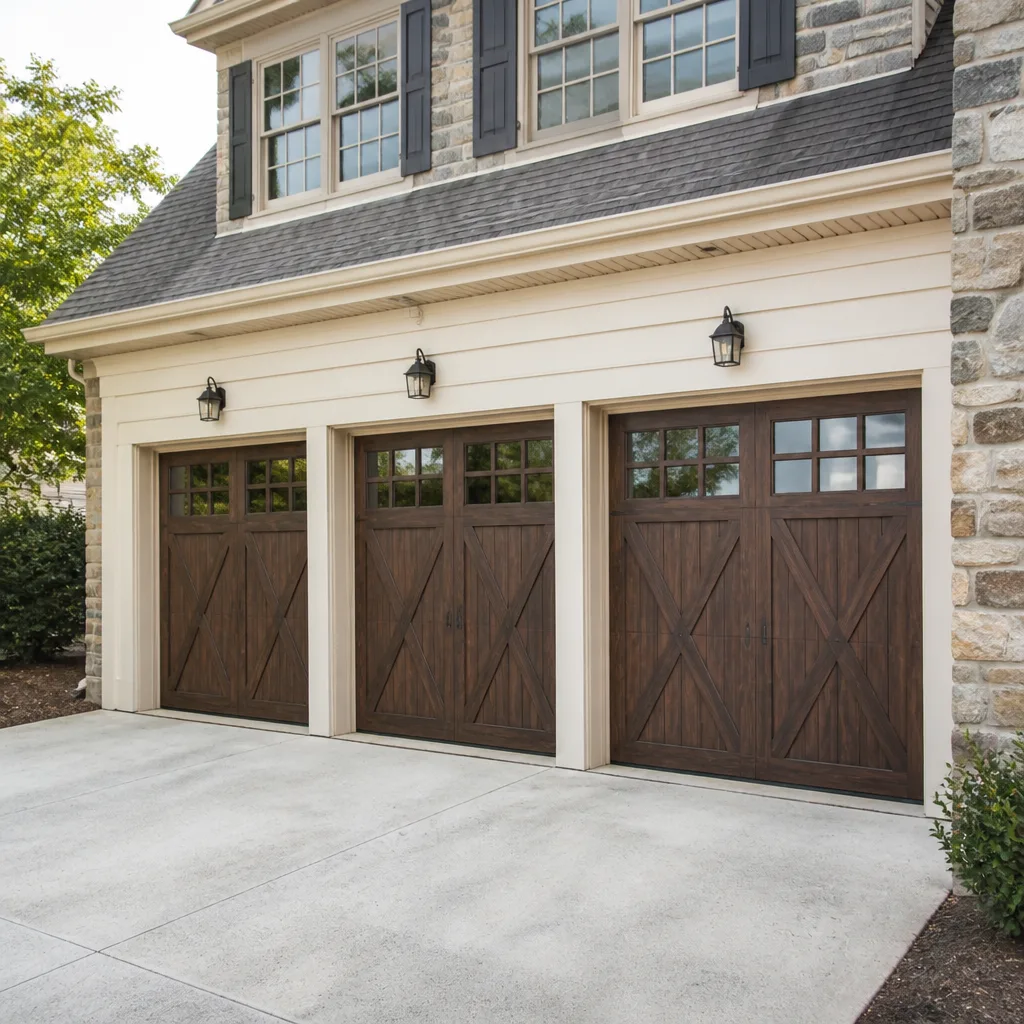 Carriage house
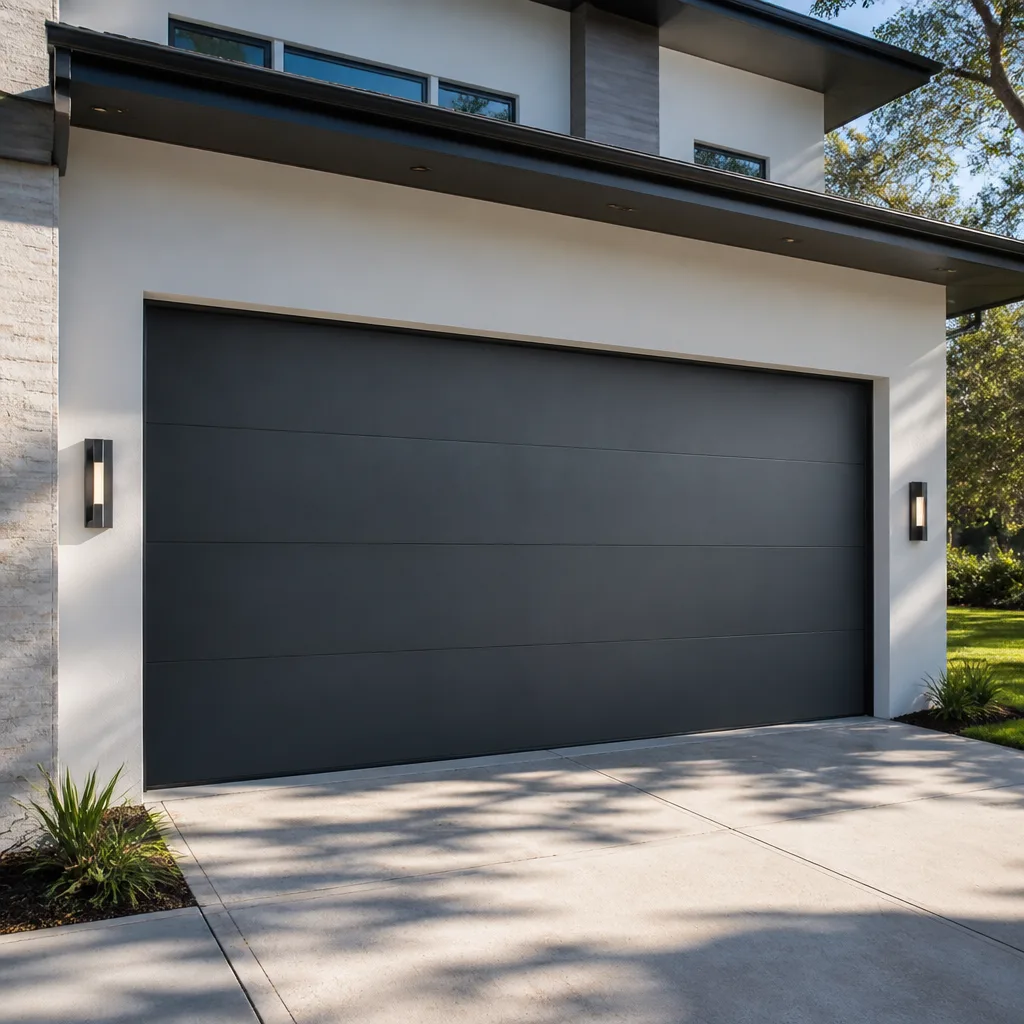 Modern flush
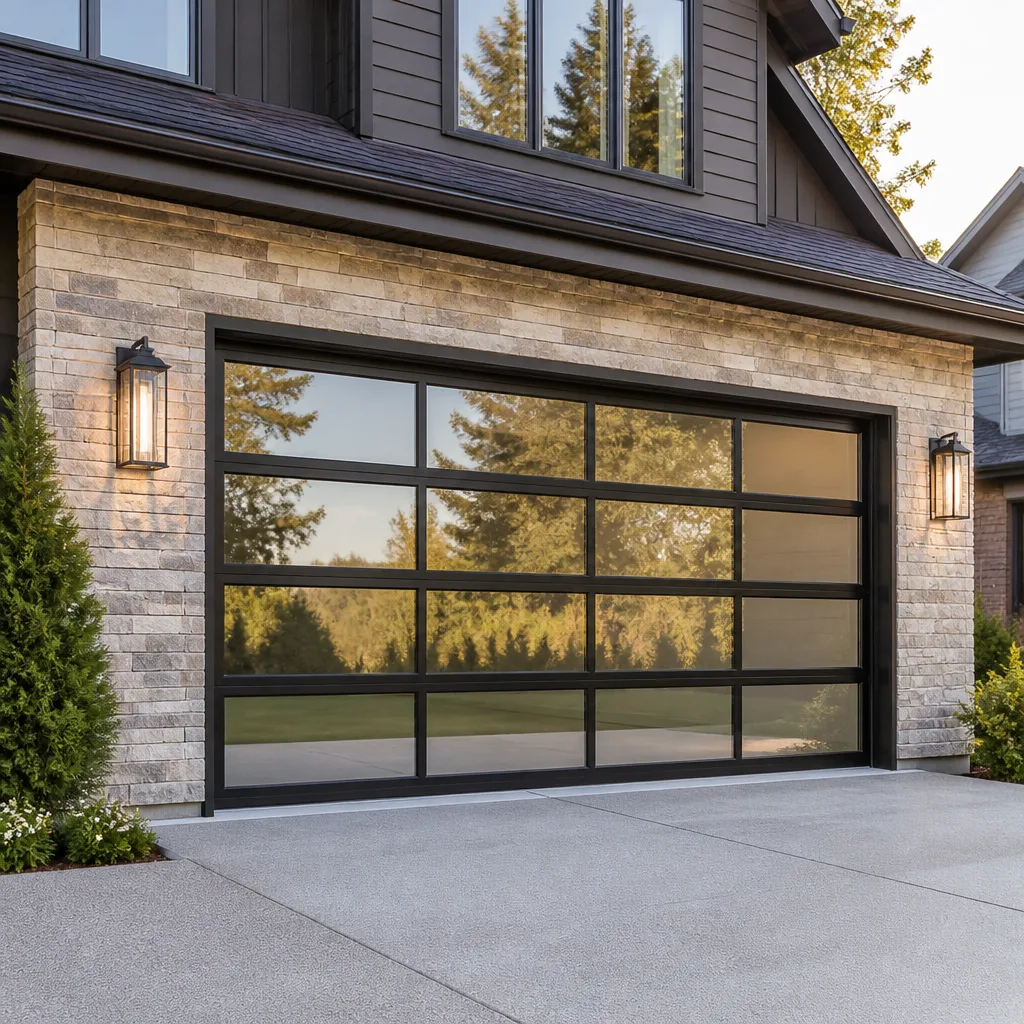 Full-view glass
 LiftMaster openers
 Chamberlain openers
Full 25-point door and opener safety check with every visit - springs, cables, rollers, tracks, and your LiftMaster or Chamberlain opener included
You get a price before we start. It does not change when the pro arrives.
Get your free estimateDIY vs Professional Garage Door: The Clintonville Homeowner’s Decision Guide
Most garage door advice splits homeowners into two camps: the handy ones who should fix it themselves and the rest who should call someone. That’s the wrong way to think about it. The real dividing line isn’t skill. It’s the task. A torsion spring holds enough stored energy to injure a grown adult in under a second, and no amount of general home-repair confidence changes that. But replacing a bottom weather seal, lubricating rollers, or reprogramming a keypad is well within reach for most people who own a screwdriver. This guide draws that line task by task, so you know exactly where your ability ends and a trained technician’s begins. We’re writing it from Clintonville, where the older housing stock and tight one-car garages create a few quirks worth knowing about.
Quick Answer
Safe DIY garage door tasks for a competent Clintonville homeowner include weather seal replacement, roller lubrication, sensor alignment, remote and keypad programming, and tightening visible loose hardware – none of these involve spring tension or a door under load. Professional work is required for torsion and extension spring replacement, cable replacement, track reset on a loaded door, and any panel or section replacement, because these carry genuine injury risk or affect the door’s structural balance. When in doubt about which category a repair falls into, the deciding question is simple: does it involve the springs, cables, or a door whose weight is currently held by either?
Styles & brands we work with
- Raised-panel steel
- Carriage house
- Modern flush
- Full-view glass
- LiftMaster openers
- Chamberlain openers
Table of Contents
- The Task-by-Task Breakdown: What You Can Do and What You Can’t
- The Physics of Torsion Springs, Explained Without the Scare Tactics
- Tools and Parts: Sourcing the Right Spec for a Central Ohio Door
- What DIY Work Does to Your Opener Warranty
- The Cost Math: When a Pro Is Actually Cheaper
- Clintonville-Specific Factors That Change the Decision
- Building a Safety Net: When to Stop and Call
The Task-by-Task Breakdown: What You Can Do and What You Can’t
Garage doors are mechanical systems with several distinct zones: the seal and trim, the hardware surface, the electrical controls, the opener motor, and then the load-bearing core of springs, cables, and the tracks that carry the door’s weight. The last zone is where the serious risk lives. Everything else is fair game for a careful homeowner who reads the manual. Here’s the honest split.
Tasks a competent DIYer can handle safely:
- Weather seal replacement. The rubber or vinyl seal along the bottom of the door takes a beating from Ohio winters. Swapping it out is a straightforward job that doesn’t touch the door’s balance.
- Lubricating rollers, hinges, and tracks. A garage door that screeches usually needs lubricant, not parts. That’s a job for a can of white lithium grease and ten minutes.
- Sensor alignment. If the door reverses on its own, the safety sensors near the floor are usually knocked out of line. Look for the small LED indicator lights and adjust until both are steady.
- Programming remotes and keypads. Modern openers from LiftMaster and Chamberlain use simple pairing sequences documented in the manual. This is programming, not repair.
- Tightening visible loose bolts on hinges and brackets. Snug, not cranked. Overtightening can stress a hinge.
- Replacing a broken hinge or roller. These are bolt-on parts that don’t carry the door’s weight, though you should lower the door fully before you swap one.
Tasks that require a professional:
- Torsion spring replacement. This is the single most dangerous job on a garage door. We’ll explain why below.
- Extension spring replacement. Less compressed energy than torsion, but still stored force that can snap a hook or cable with enough violence to cause injury.
- Cable replacement. Cables carry the full weight of the door on their own once a spring fails. A cable under tension is lethal if mishandled.
- Track reset when the door is under load. A bent track with a door sitting on it means weight is riding unevenly. This needs the tension released first.
- Panel or section replacement. Sections are heavy, sharp-edged, and often need to be rebalanced after installation.
Read that list again. Notice the pattern: the professional category is defined by stored energy and weight, not by complexity. A technician doesn’t have better hand-eye coordination than a careful homeowner. They have specific tooling for holding spring tension safely, and they work with it every day. Our technicians have up to 11 years of experience, and every one of them treats spring work with the same caution on day one thousand as on day one. That’s the correct mindset, and it’s the reason we draw the line where we do.
The Physics of Torsion Springs, Explained Without the Scare Tactics
You’ve probably heard that torsion springs are dangerous. What’s less often explained is why, and the “why” matters, because it tells you exactly what makes a spring different from every other spring you’ve ever encountered – like the one in a ballpoint pen or a mousetrap. A torsion spring is a coil of steel rod, typically the thickness of a pencil, wound around a metal shaft above your door. When your door is closed, the spring holds hundreds of pounds of rotational tension. That stored energy is what counterbalances the door, so you can lift a two-hundred-pound door with one hand.
Here’s the plain version of the physics: when the door comes down, the spring winds up. When you push the opener button, the spring unwinds and pays out that energy to lift the door. The spring essentially holds the door in balance all day, every day. Every time you open and close the door, the spring cycles – compressing and releasing. Most torsion springs are rated for a finite number of cycles, and after enough of them, they fatigue and break.
What makes a broken spring dangerous isn’t the break itself – it’s what happens next. When a wound spring snaps, the released energy can whip the cables or snap a cast-iron winding cone loose. The sound is a gunshot crack, and the force is enough to cause serious injury, including broken bones and worse, to anyone standing in the path. When a technician winds a spring, they do it with winding bars designed for the job, while standing to the side, with a specific number of turns determined by the door’s height and weight. Getting the turn count wrong on a reinstall can overload a spring or leave the door unbalanced on a track.
This is why we treat springs as a safety issue, not a repair call. It’s also why we say a spring failure isn’t a “fix it this weekend” problem the way a squeaky hinge is. If your door won’t lift, or you hear a loud crack from the ceiling, stop. Don’t try the opener again to see if it works. Don’t try to manually lift the door to inspect the spring. Call us at (844) 660-4497 and we’ll talk through what you’re seeing before anyone touches it.
How to Tell If a Spring Has Failed
- Look at the spring above the door. A visible gap of two inches or more in the coil means it has separated.
- Try the opener. If it hums or runs for a second and the door doesn’t move, the spring has likely lost its tension.
- Listen. A loud crack from the garage is the most common report.
- Check the door’s balance only if you can lift it manually with one hand from the center – but never force it, and never stand underneath a door you suspect is unsprung.
Knowing how to diagnose a broken spring is useful. Knowing how to replace one safely is a different matter, and it’s not something we’d ever recommend for a homeowner, no matter how experienced. If you want to read more about what spring work involves on our side, our page on garage door repair covers the safety protocol we follow.
Tools and Parts: Sourcing the Right Spec for a Central Ohio Door
If you’ve decided to handle a DIY-appropriate task, the biggest pitfall isn’t the work itself – it’s the parts. Garage doors are built to specific tolerances, and the wrong-spec part can cause more problems than it solves. This is especially true in Clintonville, where you’ll find everything from older wood doors on Craftsman-style bungalows near the Olentangy to more recent installations on newer builds. The age and construction of your door determines which parts fit.
What you’ll need for the common DIY jobs:
- Weather seal: Measure the width of your door opening and the thickness of the bottom panel. Seals come in several profiles, and the wrong profile will either leave a gap or prevent the door from closing flush. Most hardware stores in the Columbus area stock the common profiles, but measure before you buy.
- White lithium grease or silicone spray: For rollers, hinges, and the torsion bar bearings. Avoid heavy grease that collects grit in cold weather.
- Rollers: Nylon rollers are quieter than steel and are a common upgrade. Match the stem length and diameter to your existing hardware.
- Hinges: Hinge numbers matter. A #1 hinge goes in a different position than a #2 or #3, and the door’s panel layout determines which is which. Check the stamp on the hinge you’re replacing.
- Remote and keypad: For LiftMaster and Chamberlain openers, the model number is on a sticker on the motor housing. Match the remote to the opener’s frequency and technology (rolling code versus older fixed code).
Where to source parts. For straightforward items like seals, lubricant, and rollers, a local hardware store or big-box store is fine and fast. For brand-specific components – a Wayne Dalton hinge, a Craftsman remote, a Raynor roller – you’ll get a better fit by going to a garage door specialist who stocks those brands. We keep parts on hand for the systems we work on, so you’re not waiting a week for a part that turns out to be the wrong version. If you’re unsure which part you need, you can describe your door and opener to us over the phone and we’ll help you identify it.
One warning on parts sourcing: some online sellers list “universal” parts that claim to fit everything. Torsion springs absolutely do not work that way – they’re matched to the door’s weight and height. And for the commercial parts we do carry, we won’t sell you a torsion spring as a DIY part, because we don’t want to be a link in the chain that ends with an injury. That’s a policy we’re comfortable stating plainly.
What DIY Work Does to Your Opener Warranty
Here’s the part of the DIY decision that has nothing to do with safety and everything to do with money: your opener warranty. If your opener is still under warranty, the manufacturer’s terms matter, and those terms typically include language about authorized installation and service. Opening the motor housing, replacing internal components, or having a non-authorized person make repairs can, depending on the circumstances and the specific warranty terms, affect your ability to file a claim.
LiftMaster and Chamberlain are two of the most common opener brands we see in Clintonville homes, and both publish warranty language that hinges on the repair being performed correctly and, in some cases, by an authorized party. What that means in practice:
- Programming remotes, changing batteries, and adjusting settings through the keypad or app are generally not warranty concerns – these are user operations covered by the manual.
- Opening the motor housing to replace a gear, logic board, or capacitor is where the warranty picture gets complicated. If the part fails later, the manufacturer may ask who did the work.
- Installing a new opener yourself can void coverage for the installation work itself, even if the opener’s own warranty remains partly intact for manufacturer defects.
We work with LiftMaster and Chamberlain systems regularly, along with Genie, Clopay, Amarr, Wayne Dalton, Craftsman, and Raynor. That brand coverage matters for warranty discussions because we know the specific terms and the specific failure modes for each. If you’re unsure whether your opener is still covered, the model and serial number are on the housing, and a call to the manufacturer can confirm the warranty status before you decide how to proceed. For more on what opener repair involves, see our garage door opener repair page.
When a Warranty Claim Is Worth Pursuing
- Locate your opener’s model and serial number on the motor housing.
- Find your original purchase documentation or installation receipt if you have it.
- Check the manufacturer’s warranty terms for your specific model – coverage length varies widely.
- If the failure is a manufacturer defect and the opener was installed by an authorized party, the claim path is usually straightforward.
- If the failure came from a repair that went wrong, the claim is likely to be denied, which is the cost-math problem we turn to next.
The Cost Math: When a Pro Is Actually Cheaper
Here’s a scenario plenty of homeowners don’t run until after the fact. You decide to replace a torsion spring yourself. You buy a spring online for a reasonable price, wait for it to arrive, buy or borrow winding bars, watch a few videos, and spend a weekend on it. If it goes wrong – and spring work is the category where it most often does – you’ve spent the money, the time, and you still need a professional. Now you’ve paid twice, and you’ve taken a safety risk in between. The math on spring work almost never favors DIY. On the safe tasks, the math often does favor DIY, because a seasonal seal replacement is genuinely a twenty-dollar job.
The way to make the decision is to write down the four real costs of any repair and compare them honestly:
- Parts cost. What does the correct part actually cost, delivered?
- Tool cost. Do you need to buy a tool you’ll use once? Winding bars, for example, are specialized and not something most households own.
- Time cost. How many hours will this realistically take, and does that matter to you?
- Risk cost. What’s the downside if it goes wrong – injury, a second repair, a warranty denial, a door out of balance?
For a weather seal or a set of rollers, the risk cost is near zero, so DIY wins on cost. For a spring or a cable, the risk cost is the whole equation. And there’s a fifth cost that’s easy to forget: the cost of an unbalanced door. A door that’s off-balance after a DIY reinstall will wear out the opener faster, which is a repair down the road that costs more than the spring job would have. That’s the hidden layer of the math, and it’s where a professional diagnosis earns its keep. Our estimates are free and quoted before any work begins, so the written price sets the final price. Call (844) 660-4497 if you’d like a number to compare against your own calculation.
Clintonville-Specific Factors That Change the Decision
Clintonville has a housing stock that shapes garage door decisions in ways that don’t come up in a generic national guide. The neighborhood is full of homes built in the early-to-mid twentieth century, and that means a few things for your door.
Older doors, older hardware. Many Clintonville garages still have original wood doors or first-generation steel doors from decades ago. Older hardware – hinges, rollers, tracks – is often worn in ways a visual inspection won’t reveal until you start working on it. A hinge that looks fine can crack when you loosen it. That’s not a reason to avoid all DIY on an older door; it’s a reason to inspect carefully and proceed slowly.
Weather that works on the door. Central Ohio swings from humid summers to freezing winters, and that cycle is hard on weather seals, lubricant, and wood doors. Seals harden and crack in the cold, and rollers that were quiet in July can grind in January. A seasonal lubrication routine is one of the best DIY habits a Clintonville homeowner can build, and it’s cheap.
Tight and shallow garages. Plenty of Clintonville garages are tight – narrow doors and low ceilings. Low-headroom setups sometimes use low-headroom torsion hardware, or extension springs on older doors, and the parts are not interchangeable with standard-height installations. If you’re sourcing parts for a low-clearance door, confirm the configuration before you buy. Get it wrong and the part won’t fit or won’t safely hold the door.
Tracks and framing. Older framing can shift with the seasons, and a track that’s slightly out of plumb can cause the door to bind. If your door is binding, don’t adjust the track on a loaded door – that’s in the professional category. But you can check that nothing is loose and note where the binding happens, which helps a technician diagnose faster.
For new door or opener work, Clintonville’s older housing stock often means a custom measurement and a conversation about what will fit the space and the look of the home. That’s work that gets scheduled rather than done on the spot. We offer a free measure and a written price for installation work, and you can read more about that on our garage door installation page. If you’d like an overview of everything we handle for Clintonville homeowners, start with Garage Door Repair Clintonville.
Building a Safety Net: When to Stop and Call
Every DIYer needs a clear stop line – the moment where the task stops being a weekend project and becomes something that needs a trained technician. Here are the specific triggers we’d want any homeowner to know, whether you’re in Clintonville or anywhere else in the Columbus area.
- The task involves a spring. Any spring, either type. Stop.
- The task involves a cable. Cables carry the door’s weight. Stop.
- The door is off its track, or the track is bent while the door is on it. Stop and call. Don’t try to force the door back into the track.
- The door is visibly unbalanced – one side sags, or it lifts unevenly. The spring or cable tension needs professional attention before anything else.
- A panel is bent or cracked. Section replacement is professional work, and a compromised panel can affect the door’s structural integrity.
- You’ve started a task and find damage you didn’t expect. A cracked hinge or a wallowed-out bracket hole on an older Clintonville door is a sign to pause and reassess.
None of this is meant to discourage you from the safe tasks. A homeowner who replaces their own seal, lubricates their rollers, and keeps the sensors aligned is doing real maintenance, and it saves money. But knowing where the line is, and respecting it, is the whole point of this guide. The good news is that a professional diagnosis doesn’t cost you anything to get: we offer free estimates, and the quote you get is the price you’ll pay, agreed before any work starts.
Common Mistakes to Avoid
- Assuming “I’ve done plumbing and electrical, so how hard can a spring be?” General home-repair skill doesn’t transfer to spring work. A wound torsion spring stores force in a way that most household repairs don’t, and the failure mode is violent rather than messy.
- Buying a “universal” torsion spring online. Springs are matched to door weight and height. A universal spring is the wrong spring, and it’s the wrong spring at a critical safety point.
- Skipping the seasonal lubrication. This is the cheapest maintenance a Clintonville homeowner can do, and it prevents the dry, grinding sound that means roller and hinge wear is already underway.
- Adjusting a track while the door is on it. The door’s weight is riding on the track. Release the tension first, or call us. This is a common and genuinely risky mistake.
- Ignoring a reversing door. If the door reverses before it closes, that’s almost always a sensor or alignment issue and it’s a safety feature working correctly. Don’t bypass the sensors to “fix” it.
- Opening the opener motor housing on a warranty-covered unit. You may be creating a warranty problem for yourself to save a service call.
- Forcing a door that won’t move. If a door won’t lift, the spring has probably failed. Running the opener again or forcing the door can damage the opener, the cables, or both.
See the difference
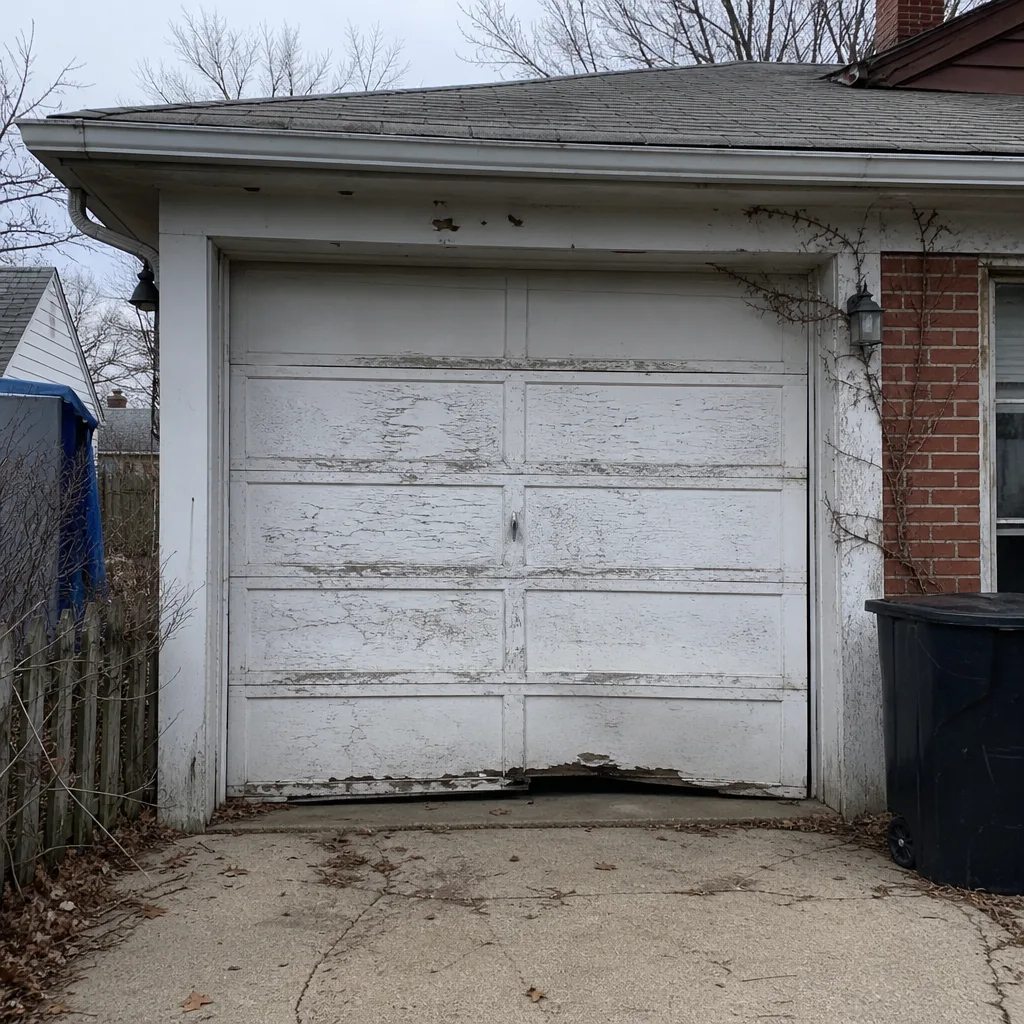 Before
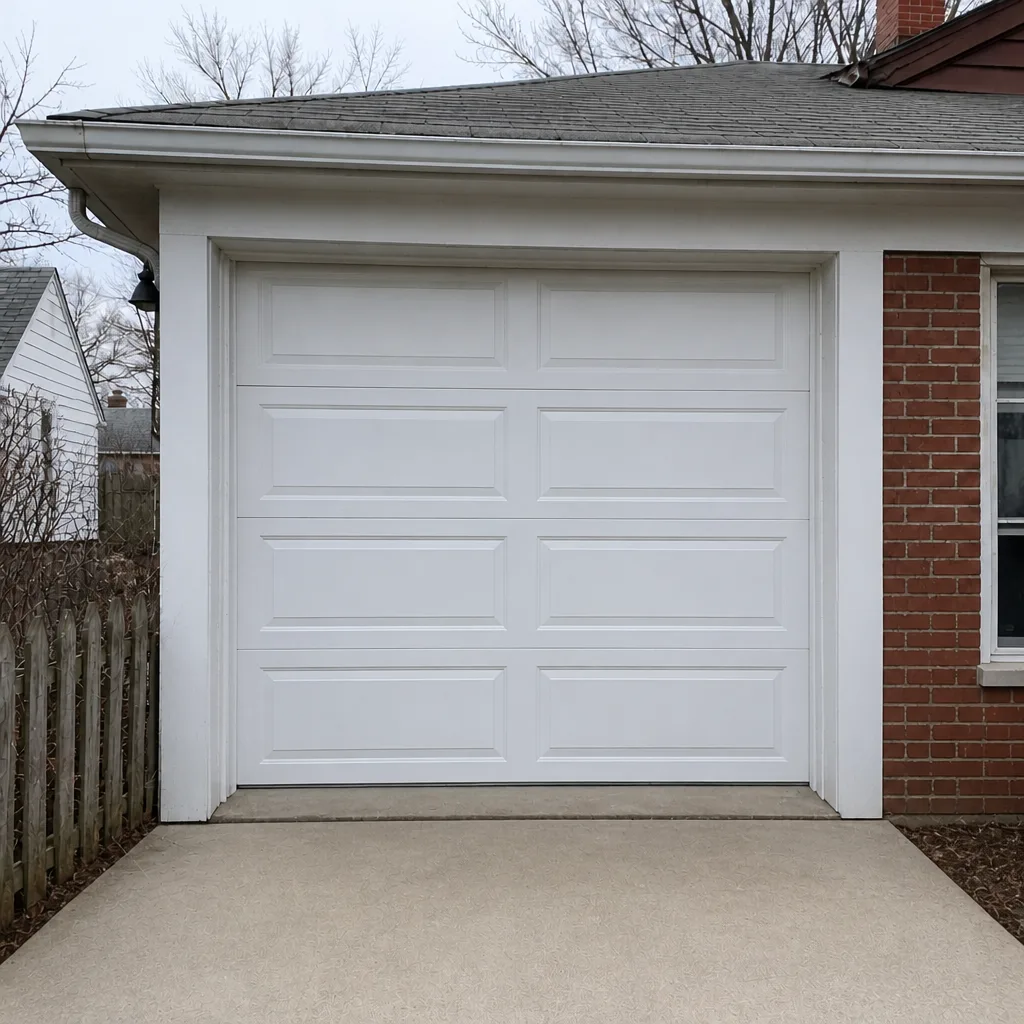 After
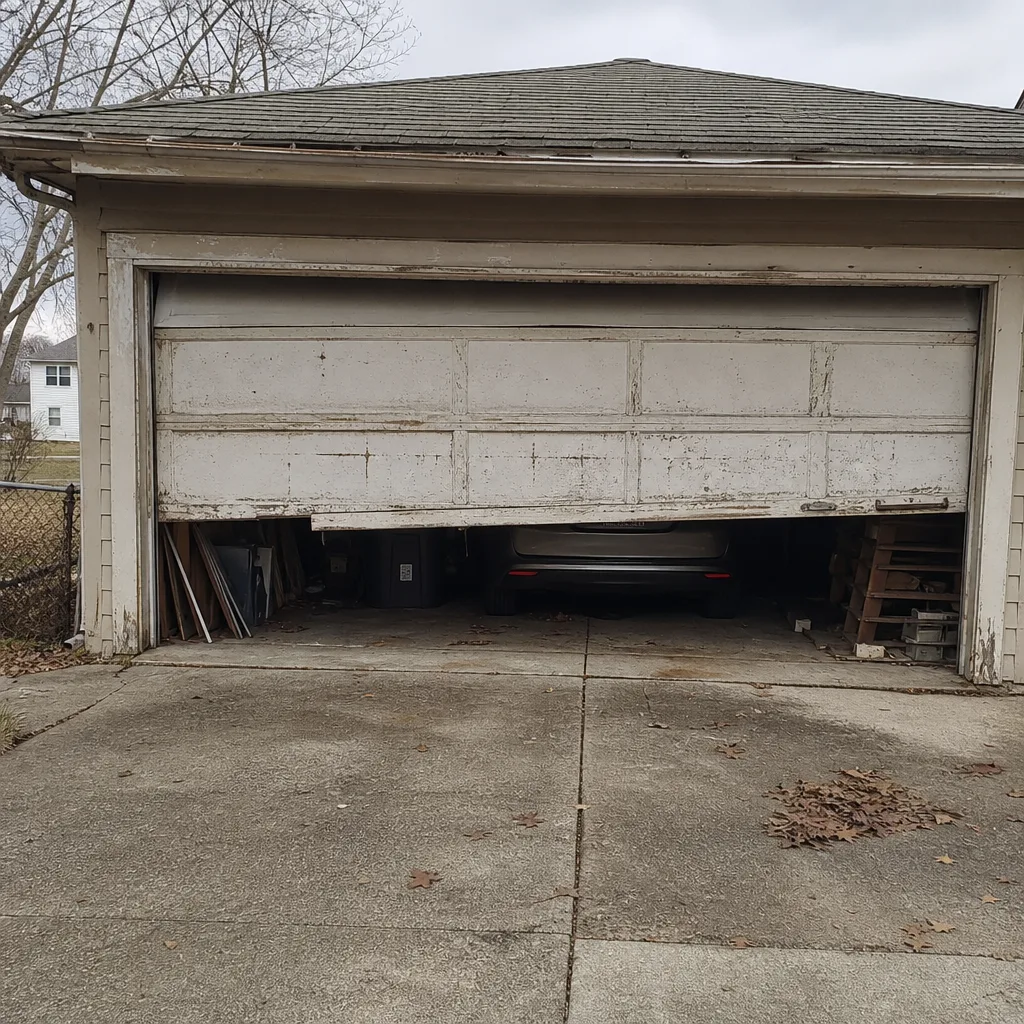 Before
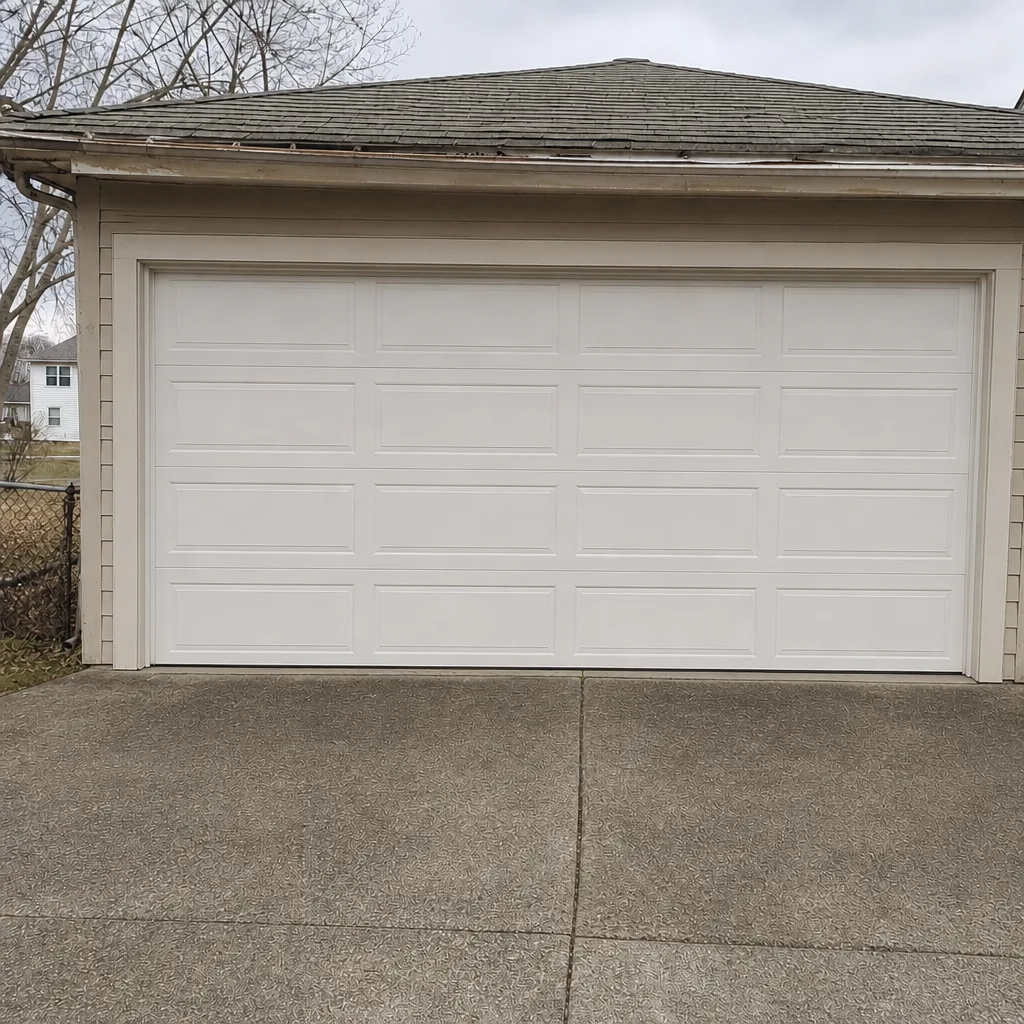 After
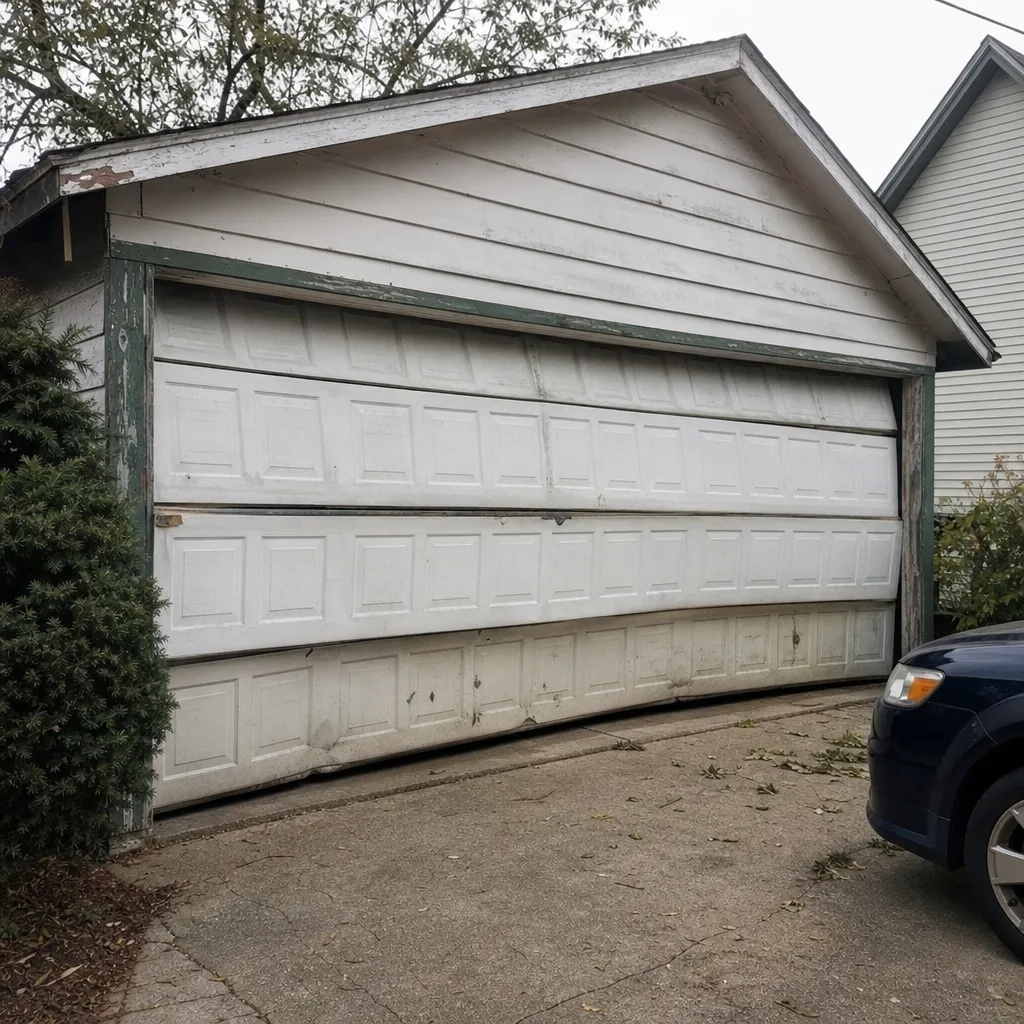 Before
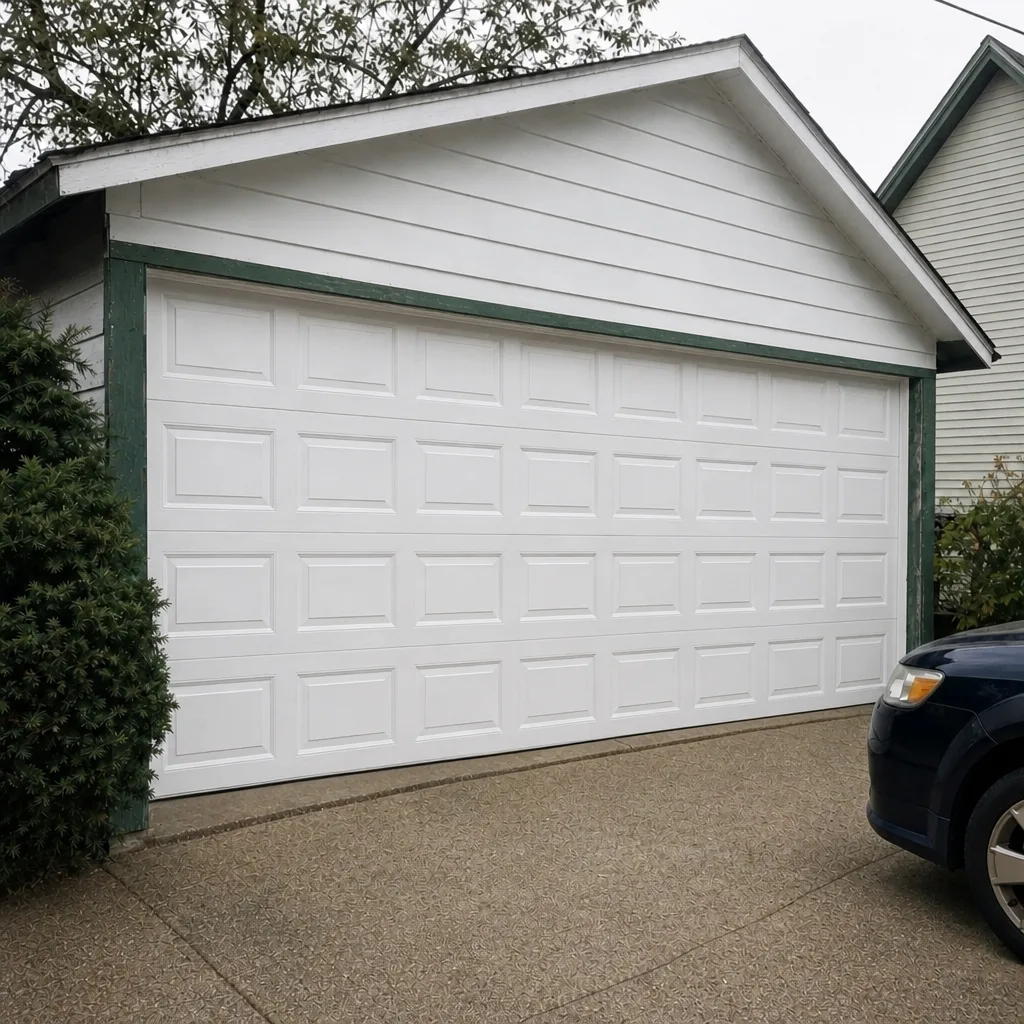 After
When to Call a Professional
Call us when the task involves springs, cables, or a door that’s off-balance or off-track. Call us when a panel is damaged, when a door won’t move, or when you’ve started a repair and found damage underneath. Call us when your opener is under warranty and needs internal repair, and call us when you want a number to compare against your own DIY math. Garage Door Repair Clintonville offers free estimates in Clintonville – call (844) 660-4497. Spring work is what we do, and it’s the one job we’d ask you never to do yourself.
Frequently Asked Questions
No. Torsion and extension spring replacement requires specialized tools and training because the spring stores enough energy to cause serious injury if it releases unexpectedly. This is the one repair we recommend no homeowner attempt, regardless of experience. If you suspect a spring has failed, call (844) 660-4497 before touching the door.
Weather seal replacement, roller and hinge lubrication, safety sensor alignment, remote and keypad programming, tightening visible loose hardware, and replacing a broken roller or hinge are all reasonable DIY tasks. None of these involve spring tension or the door’s load-bearing cables, which is the key distinction. When a task involves the springs, cables, or a door under load, it’s professional work.
It can affect your warranty, depending on the manufacturer and the specific repair. LiftMaster and Chamberlain both publish warranty terms that reference authorized service and installation. Programming remotes and adjusting settings are normally fine; opening the motor housing or replacing internal components is where the warranty picture gets complicated. Check your model’s terms before you start.
A door that lifts unevenly, sags on one side, or has to be pushed to start moving is off-balance. That points to a spring or cable tension problem, which is professional work. Don’t try to rebalance it yourself, and don’t run the opener repeatedly on an unbalanced door – it wears the opener faster.
Local hardware and big-box stores carry common seals, lubricants, rollers, and remotes. For brand-specific parts on an Amarr, Wayne Dalton, Craftsman, or Raynor door, a garage door specialist is usually a better fit, because the part numbers are specific to the door system. We can help you identify the correct part over the phone.
For seals, rollers, lubrication, and remotes, DIY is usually cheaper because the parts are inexpensive and the risk is low. For springs, cables, tracks, and panels, a professional is usually cheaper once you account for tool cost, time, and the risk of a second repair or injury. Our estimates are free, so you can get a written number and compare it against your own calculation. Estimates are quoted and agreed before any work begins.
The Bottom Line
The DIY-versus-professional question for garage doors isn’t about whether you’re handy enough. It’s about which tasks put stored energy or structural load in your hands. Seals, rollers, sensors, remotes, and lubrication are yours to handle, and doing them well saves money and keeps the door running quiet. Springs, cables, tracks under load, and panels belong to a trained technician, and that line doesn’t move based on how many other repairs you’ve done. If you’re in Clintonville and you’re not sure which side of the line your repair is on, call us at (844) 660-4497. We offer free estimates, our technicians have up to 11 years of experience, and we’ll tell you honestly whether it’s a job for you or a job for us.
We work on every major door and opener brand, so whatever system you’re looking at, we already know it. When you call, a written quote comes before any work starts, and that quote is the price you pay.
Written by the team at Garage Door Repair Clintonville.