Last updated November 21, 2026
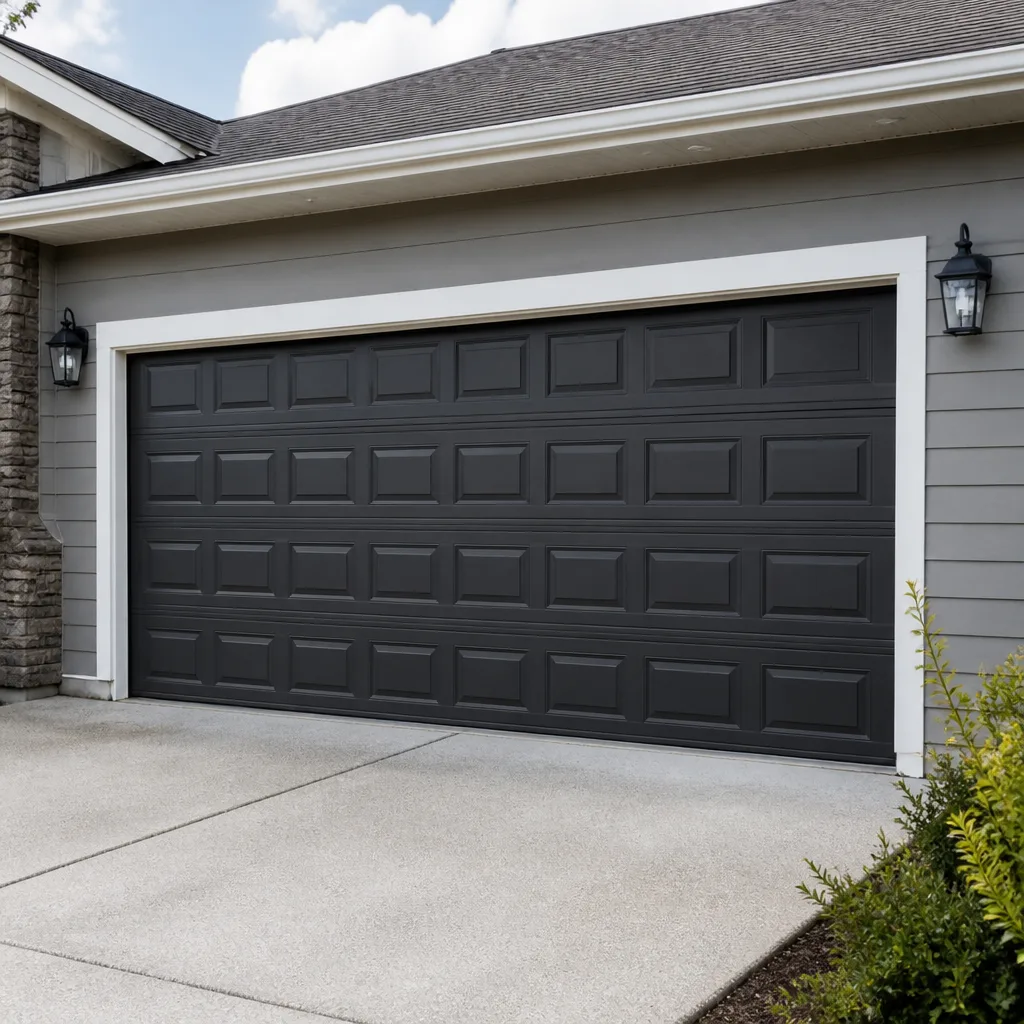 Raised-panel steel
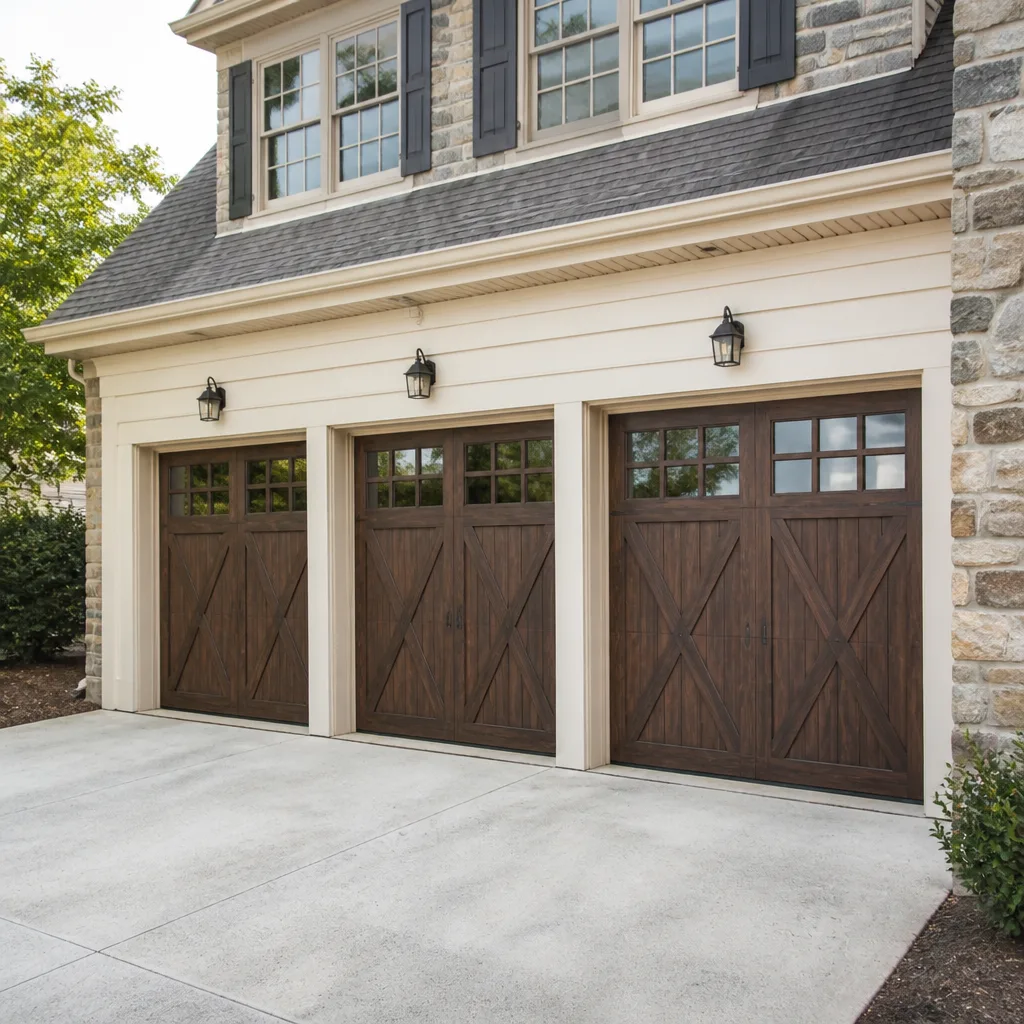 Carriage house
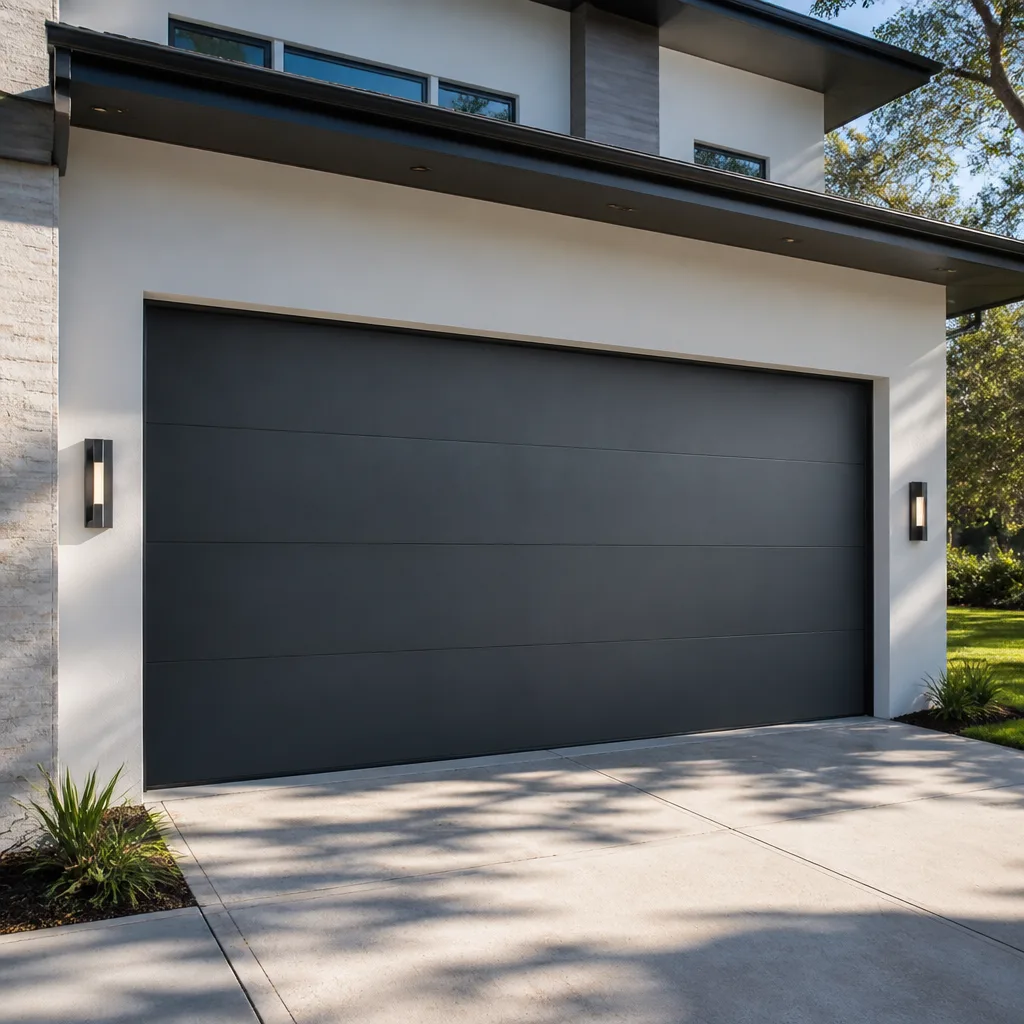 Modern flush
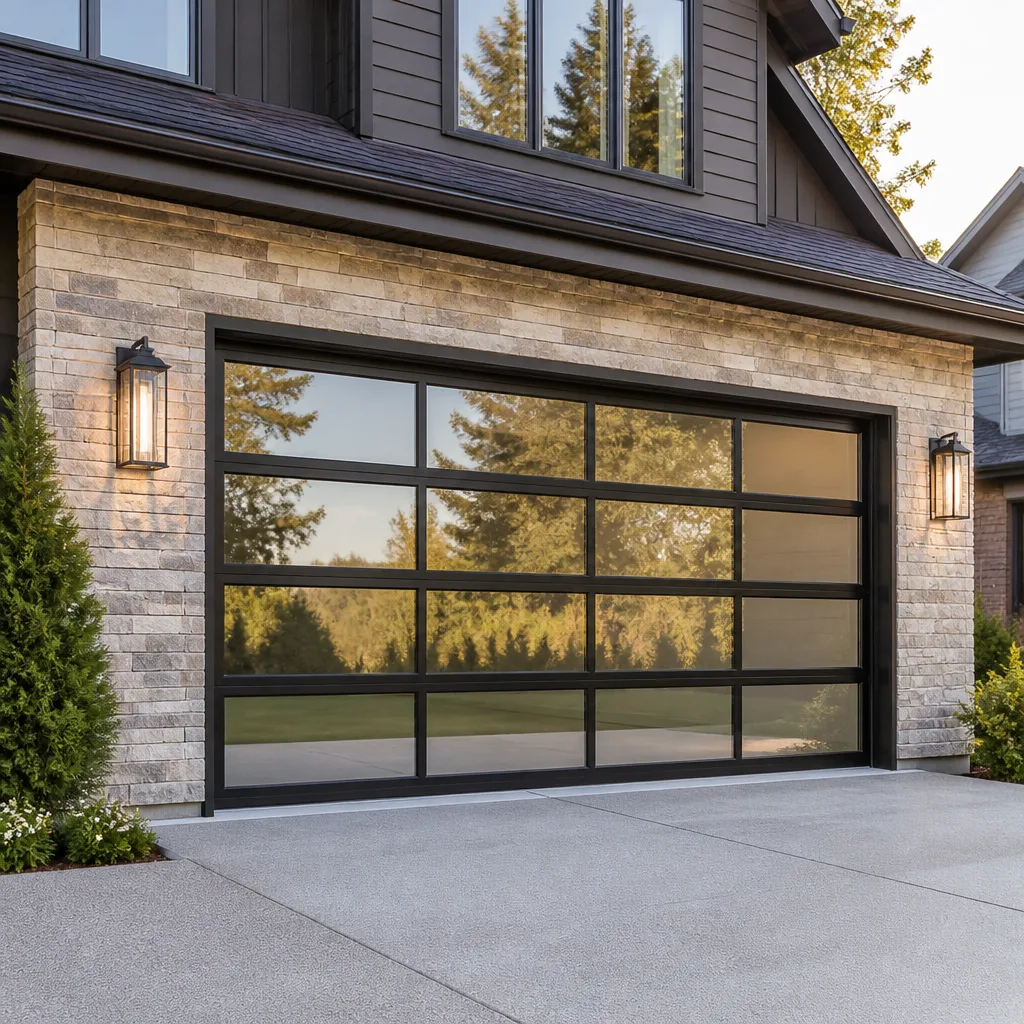 Full-view glass
 LiftMaster openers
 Chamberlain openers
Full 25-point door and opener safety check with every visit - springs, cables, rollers, tracks, and your LiftMaster or Chamberlain opener included
You get a price before we start. It does not change when the pro arrives.
Get your free estimateGarage Door Permits, Codes & Inspections in Clintonville, OH: What You Need to Know
Most homeowners assume a garage door replacement never needs a permit, and in many cases around Clintonville they’re right. That’s the part that gets people into trouble. The assumption holds until it doesn’t. The moment a job crosses from simple replacement into structural or electrical work, the rules change, and the person who signed off on the job often isn’t the one left holding the paperwork. If a contractor widens your opening or swaps out a header without pulling a permit, that work can surface as an unpermitted modification during a home sale inspection, and it becomes your problem, not theirs. This guide lays out exactly when a Clintonville garage door project needs a permit, when it doesn’t, and how to check work that’s already been done.
Quick Answer
A straight garage door replacement in Clintonville, OH usually doesn’t require a building permit. What does trigger one is anything that changes the structure or adds new electrical: widening the opening, replacing or altering a header, or installing a new outlet circuit for an opener. Clintonville sits inside Columbus city limits, so permit decisions run through the City of Columbus Division of Building and Zoning under the Ohio Residential Code, and any HOA overlay rules apply on top of that. When in doubt, a call to the city building department settles it faster than a guess.
Styles & brands we work with
- Raised-panel steel
- Carriage house
- Modern flush
- Full-view glass
- LiftMaster openers
- Chamberlain openers
Table of Contents
- What triggers a garage door permit in Clintonville?
- Who has code authority over your Clintonville garage door?
- Wind load and R-value requirements for a new door
- What an inspection actually covers
- How to check whether past garage door work was permitted
- How to make sure your contractor handles the paperwork
- What happens at a home sale if the work wasn’t permitted
- Common mistakes to avoid
What triggers a garage door permit in Clintonville?
A permit is required when a garage door job changes the structure of the opening or adds electrical work that didn’t exist before. A permit is usually not required when you’re swapping a door into the existing opening with no framing, header or wiring changes. That’s the clean line, and most Clintonville replacements fall on the simple side of it.
Here’s how it breaks down in practice.
Work that usually needs a permit:
- Widening or heightening the rough opening to fit a larger door
- Replacing, moving or altering the header above the opening
- Cutting into or modifying a load-bearing wall to expand the garage
- Adding a new electrical circuit or outlet for a garage door opener where none existed
- Converting a garage door opening into something other than a garage door (a window or a wall, for example)
- Structural repair to the framing around the opening after damage
Work that usually doesn’t:
- Replacing a door of the same size in the same opening
- Replacing springs, cables, rollers, hinges or tracks
- Repairing or replacing an opener that connects to existing wiring
- Replacing panels on an existing door frame
- Adding a safety sensor to an opener that’s already wired
The gray area is the electrical side. If your opener is being replaced on the same circuit and same outlet, that’s repair. If a new opener needs a dedicated outlet that isn’t there, an electrician has to add one, and that’s where the permit conversation starts. In our experience across Clintonville, that single point is the most common reason a job that looked permit-free turns into one that isn’t.
Who has code authority over your Clintonville garage door?
Clintonville is a neighborhood within the City of Columbus, not its own municipality. That matters for permits. The code authority for a garage door project in Clintonville is the City of Columbus Division of Building and Zoning, working under the Ohio Residential Code. You’re not dealing with a separate Clintonville building department, and a permit pulled through Franklin County alone won’t necessarily cover the work.
Layered on top of the city requirements are any HOA or historic district rules that apply to your specific block. Clintonville has a mix of older housing stock and newer infill, and some pockets fall under architectural review. A new garage door is visible from the street, and if the door style or material is governed by an HOA covenant, that review happens separately from the building permit. Neither authority talks to the other, so if you skip the HOA step, the city permit won’t rescue you.
The sequence typically goes like this:
- Check your deed restrictions and HOA documents. Look for language about exterior changes or architectural review. If your neighborhood has a review process, start it early because it can take longer than the building permit.
- Call the City of Columbus Division of Building and Zoning. Describe the exact scope: door size, whether framing changes, whether new wiring is involved. Ask directly whether the work triggers a permit.
- Get the answer in writing where you can. A note or email confirming the scope doesn’t need a permit is worth keeping, especially if you plan to sell.
- Let your contractor handle the filing if a permit is required. The permit should be pulled in the name of the contractor doing the work, not yours.
One more wrinkle for Clintonville: if the home sits on a corner lot or the garage faces an alley, the setback and sight-distance rules can apply to a structural change, though not to a same-size replacement. That’s another reason to describe the full scope when you call the city rather than asking a blanket “do I need a permit for a garage door” question.
Wind load and R-value requirements for a new door
Any new garage door installed under the Ohio Residential Code has to meet design criteria for wind load and, where the code applies, thermal performance. Those requirements don’t usually show up as homeowner questions, but they determine which doors are code-compliant for your specific opening. Two doors that look identical can have very different wind ratings.
Wind load is a measure of how much pressure a door can resist without failing or bowing outward. Every garage door in Ohio has a design pressure requirement based on location and installation factors. For a same-size replacement, the new door has to match or exceed the design pressure the original opening was built for. Most off-the-shelf residential doors meet typical Ohio residential requirements, but the ratings vary by width, height and reinforcement. A wider door needs more reinforcement to reach the same rating as a narrower one.
R-value governs thermal performance. If the garage is attached to the house and conditioned space sits above or beside it, the code’s energy provisions may apply to the door. Insulated doors with a higher R-value are the practical answer, and they also help with temperature swings inside a Clintonville garage during humid summers and cold winters. That said, R-value isn’t the only factor: air sealing around the perimeter and the door’s own weatherstripping matter just as much.
Here’s what to ask before you buy:
- What’s the design pressure rating of this door? Compare it to what your opening requires.
- Does the installation meet the code’s attachment requirements? The door’s brackets and anchors have to be rated for the door’s weight and wind load.
- If the garage is conditioned or attached, what’s the R-value? Insulated doors are the simplest way to stay compliant.
- Does the manufacturer’s installation instructions require any specific hardware? Follow them exactly; inspectors check against the manufacturer’s specs, not just the code book.
Your garage door installation should be specified to meet these requirements from the start. A contractor who hands you a door without asking about your opening’s wind rating is handing you part of the job.
What an inspection actually covers
When a garage door project does require a permit, the inspection phase can feel like the most opaque part of the process. What gets inspected depends on what was permitted. A structural permit inspection is different from an electrical permit inspection, and knowing what each one checks helps you prepare so the project doesn’t stall waiting for a re-inspection.
Structural inspection covers the framing the door depends on. The inspector is checking the header size and material, the king and jack studs around the opening, the attachment of the door’s brackets to the framing, and whether the new opening matches the approved plans. It’s not a check of how smoothly the door operates; it’s a check that the structure around it is sound and code-compliant.
Electrical inspection covers the circuit feeding a new opener. The inspector verifies the wiring method, the outlet location, GFCI protection where required, and the connection at the panel. If a permit was pulled only for electrical, the inspector is looking at the wiring, not the door.
Final inspection ties it together when a permit covers the whole job. The inspector confirms the work matches what was permitted and that any required manufacturer specifications have been followed.
How to prepare so the inspection doesn’t cost you a second visit:
- Have the permit and plans on site. The inspector needs to see them, and missing paperwork is the most common reason for a delay.
- Leave the framing accessible. If drywall is going back up before the structural inspection, the inspection can’t happen. Schedule framing inspection before you close it in.
- Make sure the door is fully installed and operational before final inspection. A door that doesn’t open isn’t a final inspection the inspector can pass.
- Keep the manufacturer’s installation instructions available. Inspectors often check against them.
- Confirm the inspection request with the city. Some inspections require a scheduling window, and knowing the timing avoids a false no-show.
If you’re not doing the work yourself, your contractor should be coordinating the inspection schedule with the city. If they don’t, that’s a signal worth noting before you sign anything.
How to check whether past garage door work was permitted
Before you sell or refinance, you can check whether previous garage door work on your Clintonville home was permitted. The City of Columbus Division of Building and Zoning maintains permit and inspection records and can tell you whether a permit was ever pulled for your address. What you’re looking for is a permit record tied to the garage door opening or the electrical work, not just any permit on the property.
The steps are straightforward:
- Pull your property’s permit history. Contact the Division of Building and Zoning with your address and ask for the permit records. Ask specifically about the garage opening and any electrical work at the garage.
- Compare the permit dates and scope to the door on your house. If a door was replaced and no permit was ever recorded, that’s a straight replacement and usually fine. If the opening was structurally changed and there’s no permit, that’s the flag.
- Check your seller’s disclosure and any closing documents. Many older Clintonville homes have had multiple door replacements, and a prior seller may have noted the work.
- Have a professional assess the work if the history is unclear. A garage door technician can tell whether the framing and hardware look like a permitted installation or a modified opening that skipped review.
- Talk to the city before you list. If the work needed a permit and never got one, ask the Division of Building and Zoning what the process is to resolve it. In many cases, a retroactive review or a corrective permit is available, and resolving it before listing is far easier than fielding a buyer’s question during escrow.
What you shouldn’t do is ignore it. An unpermitted structural change can stall a sale or force a price adjustment, and it isn’t the kind of thing that goes away with time. In our experience, the cost of sorting it out early is small compared to the cost of a failed inspection.
How to make sure your contractor handles the paperwork
When a permit is required, the contractor should pull it and keep it current throughout the job. That means filing before work starts, coordinating inspections, and closing the permit out when the project is finished. A contractor who asks you to pull the permit yourself is shifting the risk onto your shoulders, and it’s a habit worth questioning early.
What to ask before you hire:
- “Will you pull the permit, or am I expected to?” The answer should be that they will.
- “Who schedules the inspections?” It should be them, not you.
- “What happens if the inspection fails?” The cost of correction and re-inspection shouldn’t land on you.
- “Do you have a written scope that matches the permit application?” The permit scope and the actual work have to match, or the final inspection won’t pass.
- “Are your technicians experienced with this kind of work?” Our own technicians have up to 11 years of experience, and when a job involves a brand-specific system we work with the manufacturer’s own requirements rather than guessing.
If your job involves replacing an opener, garage door opener repair and the associated wiring is often part of the conversation. A LiftMaster or Chamberlain unit wired to an existing circuit is repair scope. A Genie unit that requires a new outlet is where the permit question starts. Knowing the difference before you hire keeps the project clean.
What happens at a home sale if the work wasn’t permitted
An unpermitted garage door modification can slow down or complicate a home sale in Clintonville. The issue usually surfaces during the buyer’s inspection, when a structural change or an added outlet gets flagged as not matching the city’s permit records. At that point it’s your problem regardless of who did the work.
The typical timeline goes like this: the buyer’s inspector notes an unusual opening or new wiring, the buyer’s agent asks for documentation, and you discover there’s no permit on record. The options at that point are a retroactive permit review, a corrective permit, or negotiating a credit with the buyer. All three take time, and the pressure of an active escrow makes each one more expensive than resolving it beforehand.
The best protection is a paper trail. Keep the permit number, the final inspection sign-off, and the manufacturer’s installation instructions with your home’s records. A garage door replacement that turns out to have been a straight same-size swap with no structural or electrical change doesn’t need a permit, so keep the original quote or invoice showing that scope. If you want to read more about the repair and replacement side of the work, the main garage door repair page covers what’s involved in each kind of job.
If you’re not sure whether a past job was done properly, an assessment of the door and opening is worth getting before you list. It’s the difference between heading into a sale with documentation and heading into it with a question.
Common Mistakes to Avoid
- Assuming every garage door job needs a permit. It doesn’t. A same-size replacement is usually permit-free, and paying for a permit you don’t need is wasted effort. Confirm the scope with the city before you file.
- Assuming no garage door job ever needs a permit. This is the more expensive mistake. Widening an opening or replacing a header without a permit can come back years later during a sale, and the cost of resolving it then is much higher.
- Skipping the HOA review because you got a city permit. In Clintonville, HOA covenants and historic district rules can govern door style and material separately from the building permit. The city won’t check on the HOA’s behalf.
- Letting the contractor put the permit in your name. The contractor doing the work should hold the permit. A permit in your name makes you the responsible party if the work doesn’t pass inspection.
- Not asking about wind load and R-value. Two doors that look the same can have very different ratings, and the lower-rated one may not be code-compliant for your opening. Ask for the spec sheet, not just a sample.
- Closing up drywall before the structural inspection. If the inspector can’t see the framing, the inspection can’t happen, and the project stalls. Schedule the framing inspection before any covering goes back up.
- Ignoring unpermitted work from a previous owner. It’s not an inherited problem you can leave alone. Once it surfaces during a sale, it becomes yours to resolve, and the process is easier before you list.
See the difference
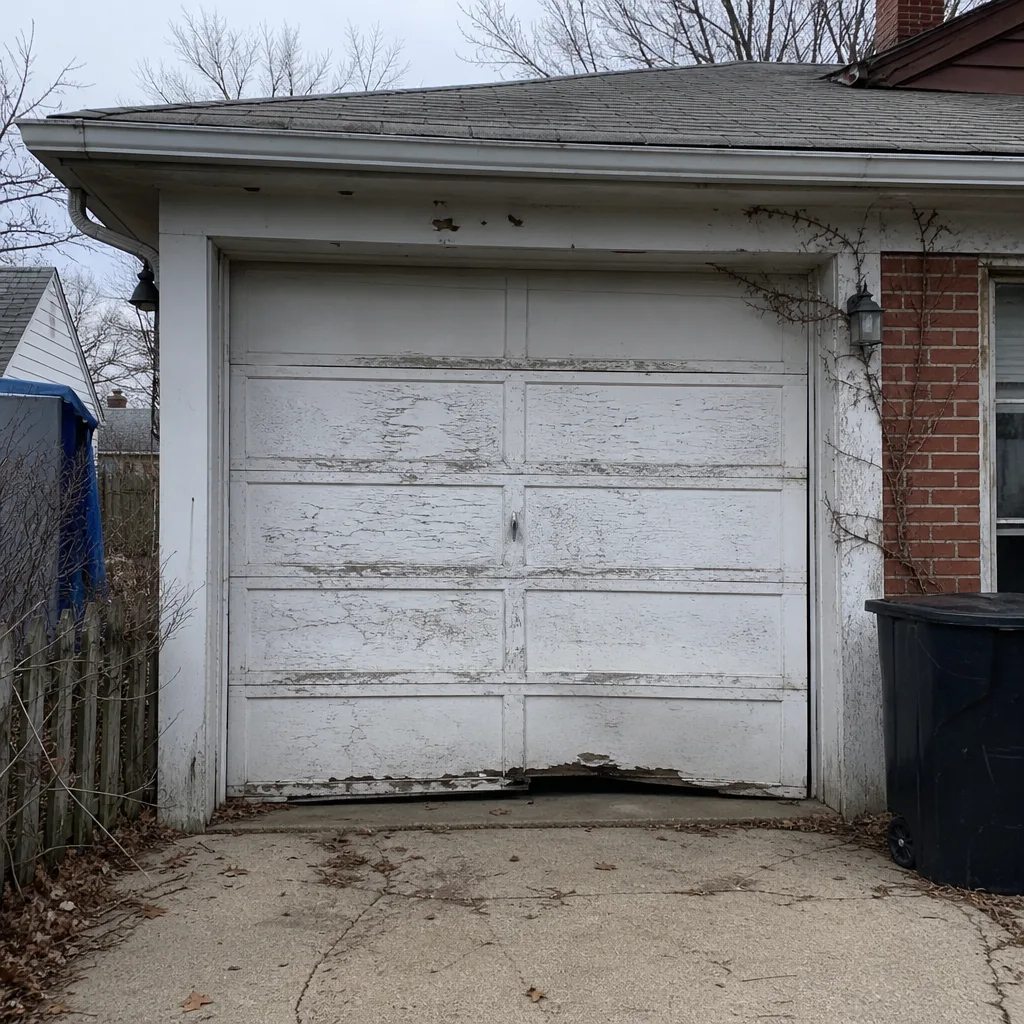 Before
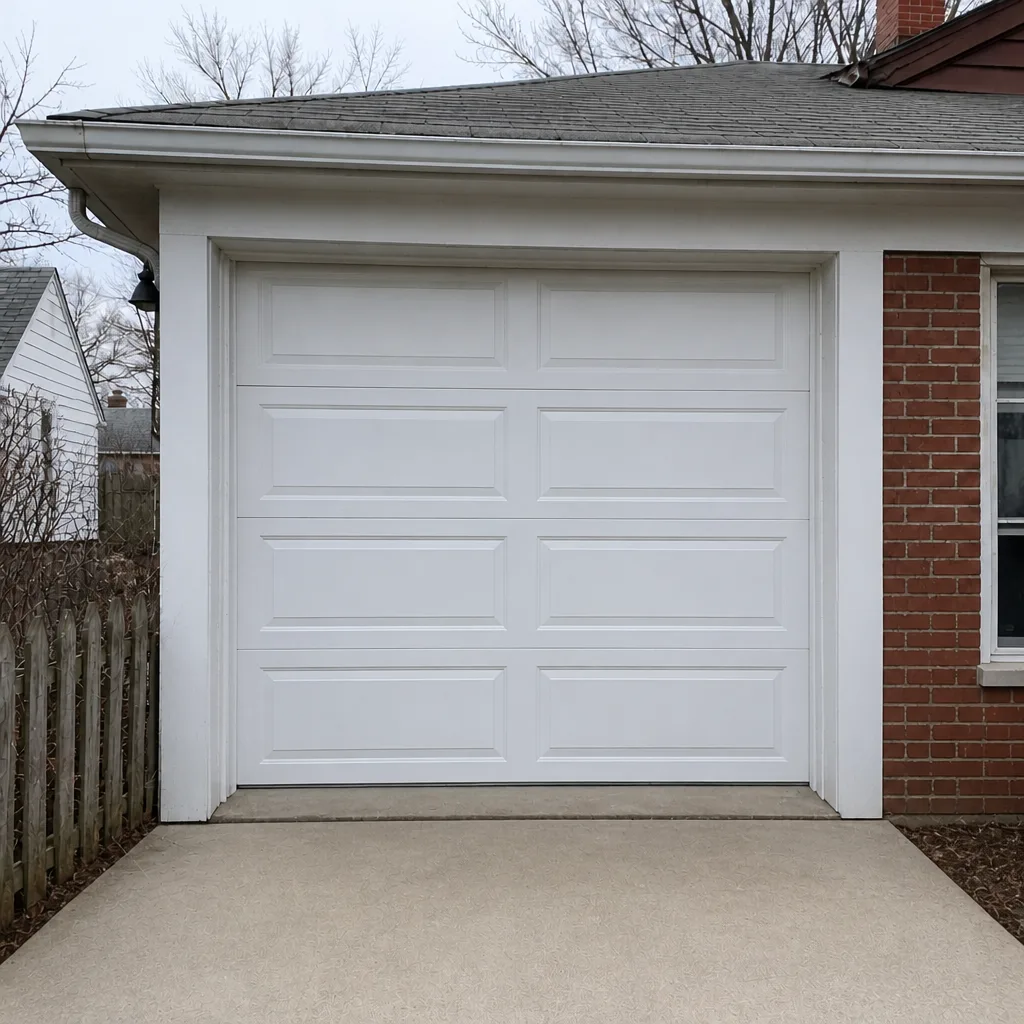 After
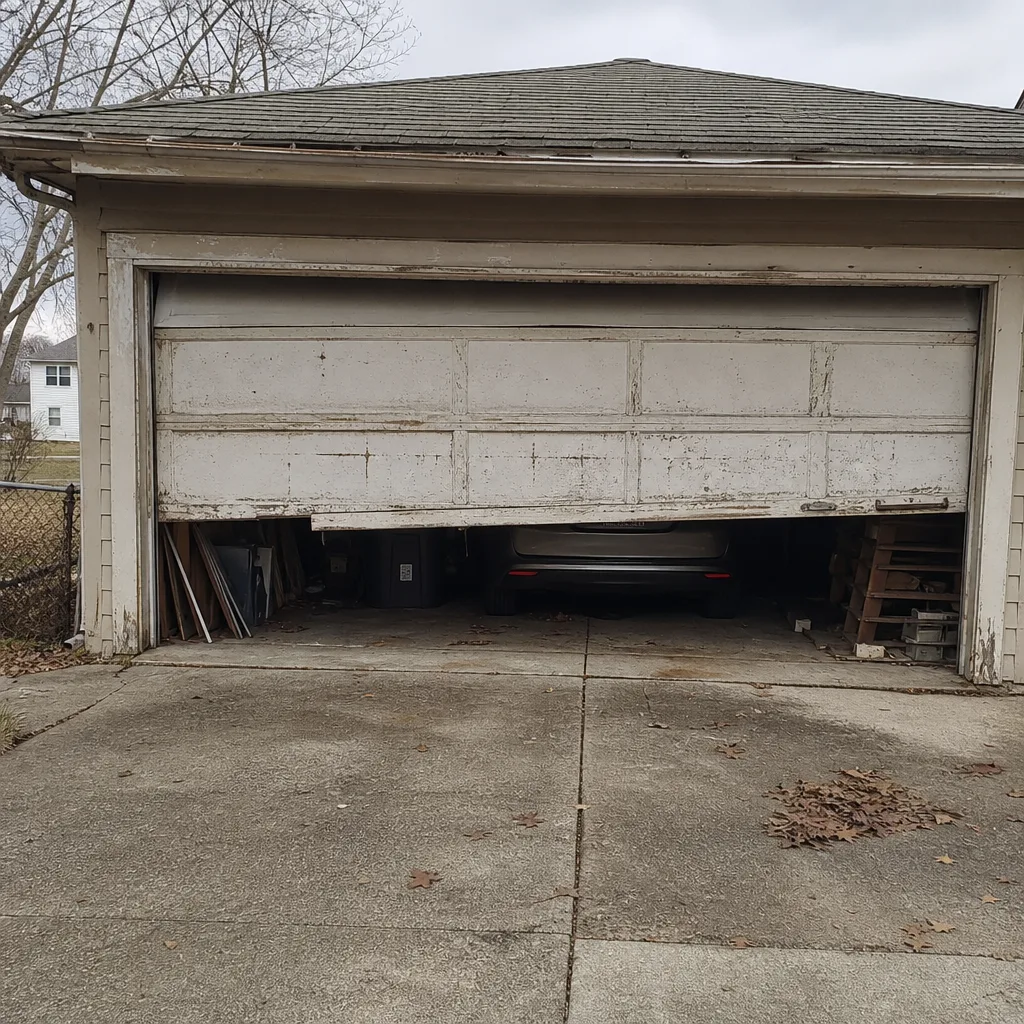 Before
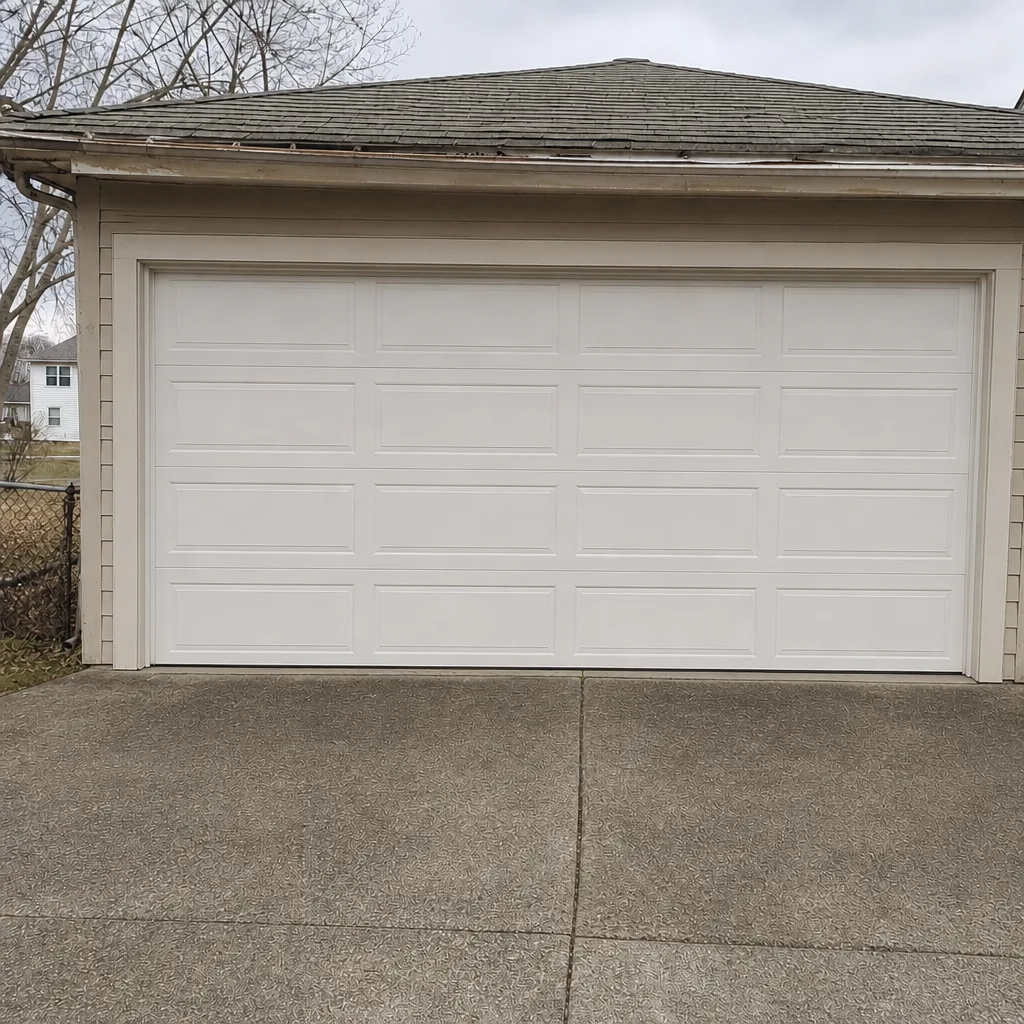 After
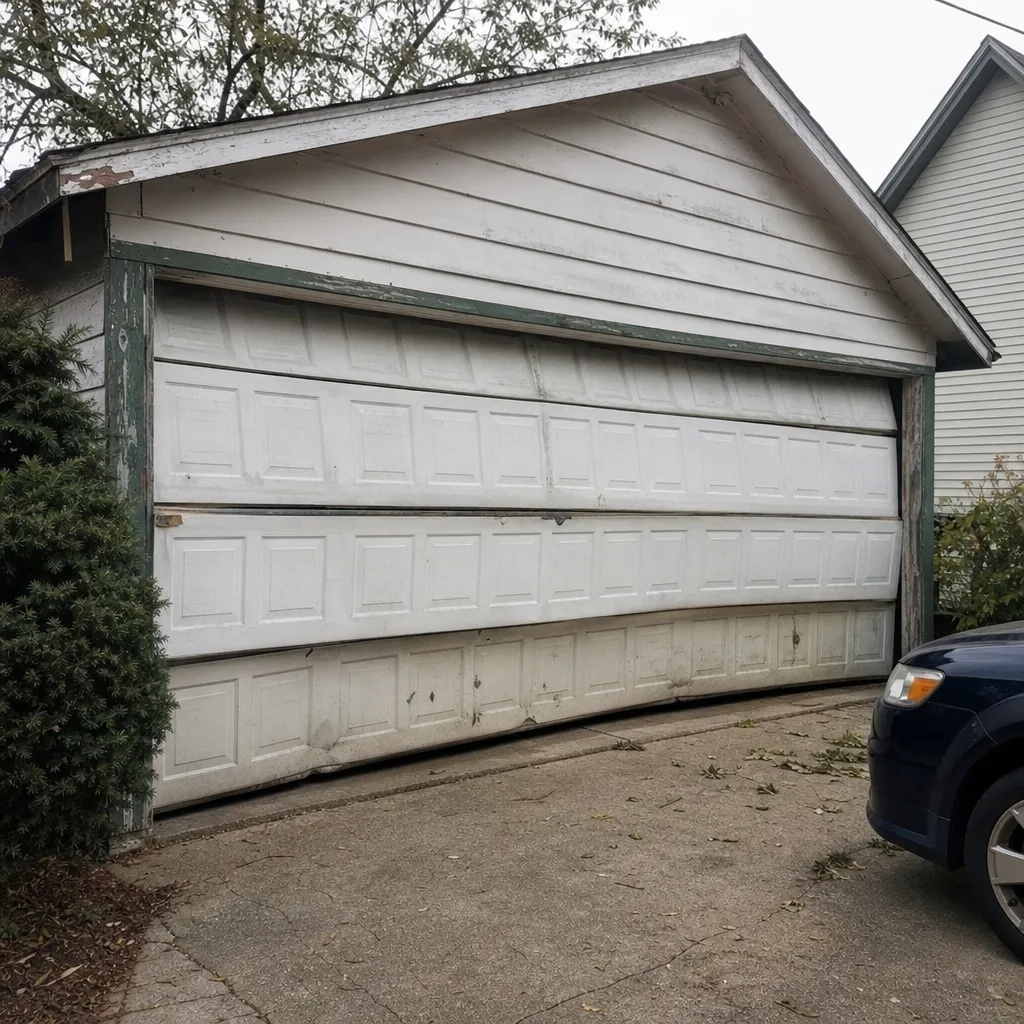 Before
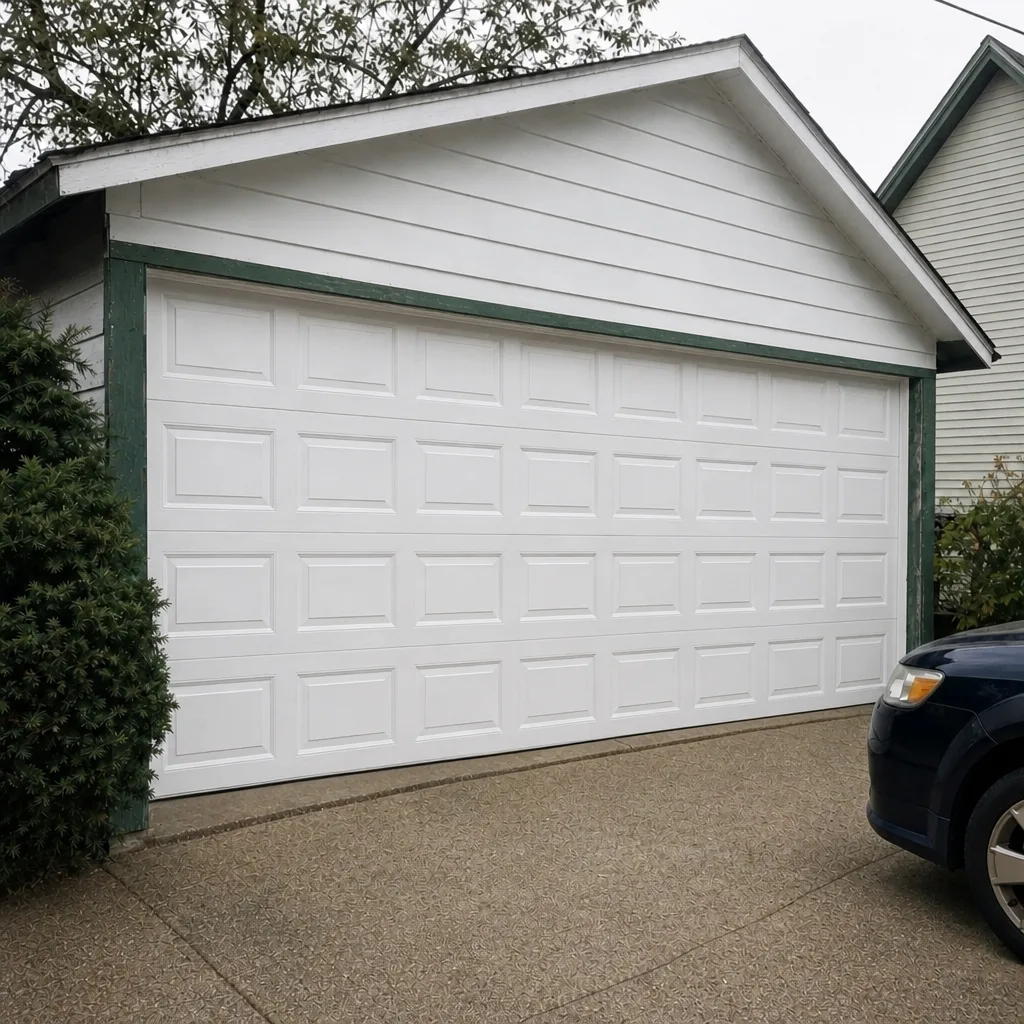 After
When to Call a Professional
If your project involves anything beyond a like-for-like door replacement, it’s worth talking to a specialist before you sign a contract. Widening an opening, replacing a header, adding a new circuit for an opener, or repairing structural damage all sit within permit territory, and a garage door professional can tell you which side of the line your job falls on before the paperwork starts. So can a technician who works on springs and tracks. Springs and cables carry serious stored energy and are genuinely dangerous to handle without training, so if a spring is involved, don’t touch it yourself. That’s a safety call, not a repair decision. Garage Door Repair Clintonville offers free estimates in Clintonville, call (844) 660-4497. Our technicians have up to 11 years of experience, and we work with LiftMaster, Chamberlain, Genie and other major brands so you don’t have to sort out compatibility or specification questions alone.
Frequently Asked Questions
Usually not. A same-size replacement into an existing opening, with no framing or electrical changes, typically doesn’t require a permit. Widening the opening, replacing a header, or adding a new outlet for an opener does trigger a permit through the City of Columbus Division of Building and Zoning. Call (844) 660-4497 for an exact quote on your project, estimates are free.
The City of Columbus Division of Building and Zoning enforces the Ohio Residential Code inside Clintonville, because Clintonville is part of Columbus city limits. HOA and historic district rules apply separately and can cover door style and material. If your door selection is governed by a covenant, that review runs in parallel with the building permit.
If the job was a same-size replacement, it usually didn’t need one. If the opening was structurally changed or new wiring was added without a permit, the work can be flagged during a home sale inspection, and resolving it becomes your job before you sell. The City of Columbus Division of Building and Zoning can tell you whether a permit was ever recorded for your address.
Yes. Any new door installed under the Ohio Residential Code has to meet design criteria for wind load, and where energy provisions apply, thermal performance. Ask your contractor for the door’s design pressure rating and R-value and compare them to what your opening requires. Two doors that look identical can have very different ratings.
Contact the City of Columbus Division of Building and Zoning with your address and ask for the permit records tied to the garage opening or the garage electrical work. Compare what’s on file to the door on your house. If the history is unclear, an assessment of the framing and hardware will tell you whether the installation looks like a permitted job or a modified opening.
The local pro we connect you with is licensed and insured as Ohio requires. When a job needs a permit, the contractor pulling it should also coordinate inspections and close the permit out. Call (844) 660-4497 for an exact quote before any work starts, and the written estimate sets the final price.
The Bottom Line
The permit question comes down to scope, not door type. A same-size replacement in Clintonville usually goes forward without a building permit. A structural change to the opening, a header replacement, or a new electrical circuit for an opener requires one, and that work runs through the City of Columbus Division of Building and Zoning under the Ohio Residential Code. HOA rules sit on top of the city process and don’t go away because the permit did. The most useful habit is documentation: keep the permit number, the final inspection sign-off and the original scope of work with your home records. If past work is unclear, resolve it before you sell, not during. And if springs or cables are part of the job, leave that to a trained technician. If you’d like help sorting out your project, Garage Door Repair Clintonville works on the door system, the opener and the paperwork side, and can tell you what your job actually needs. Call (844) 660-4497 for a free estimate.
Written by the team at Garage Door Repair Clintonville.