Last updated November 21, 2026
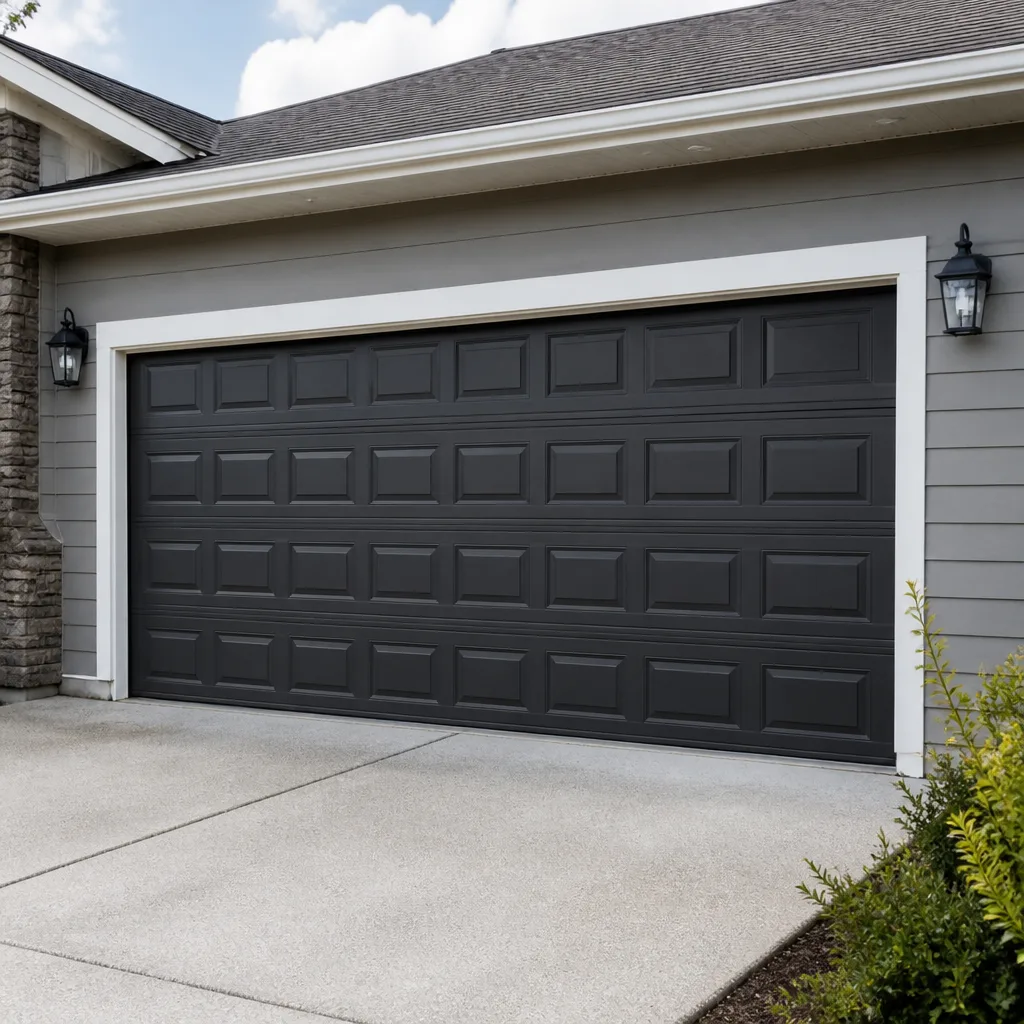 Raised-panel steel
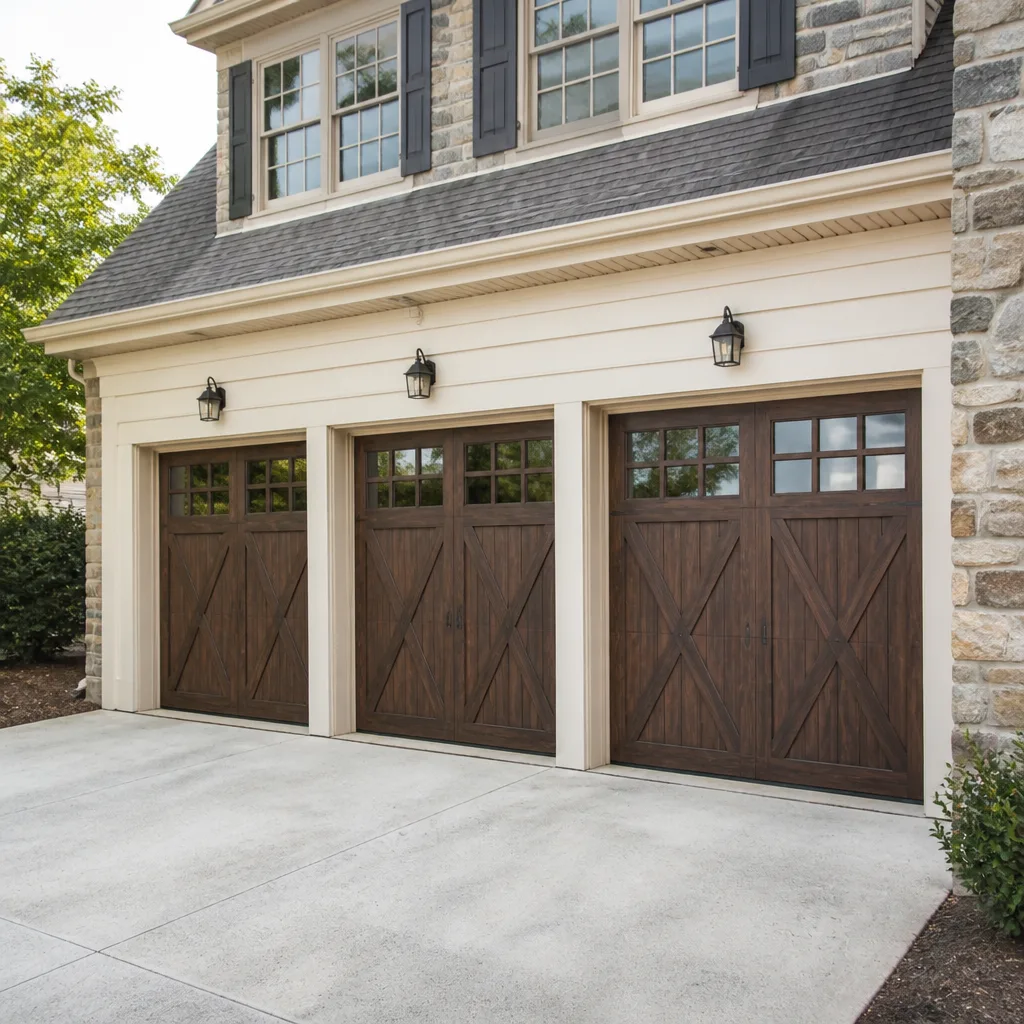 Carriage house
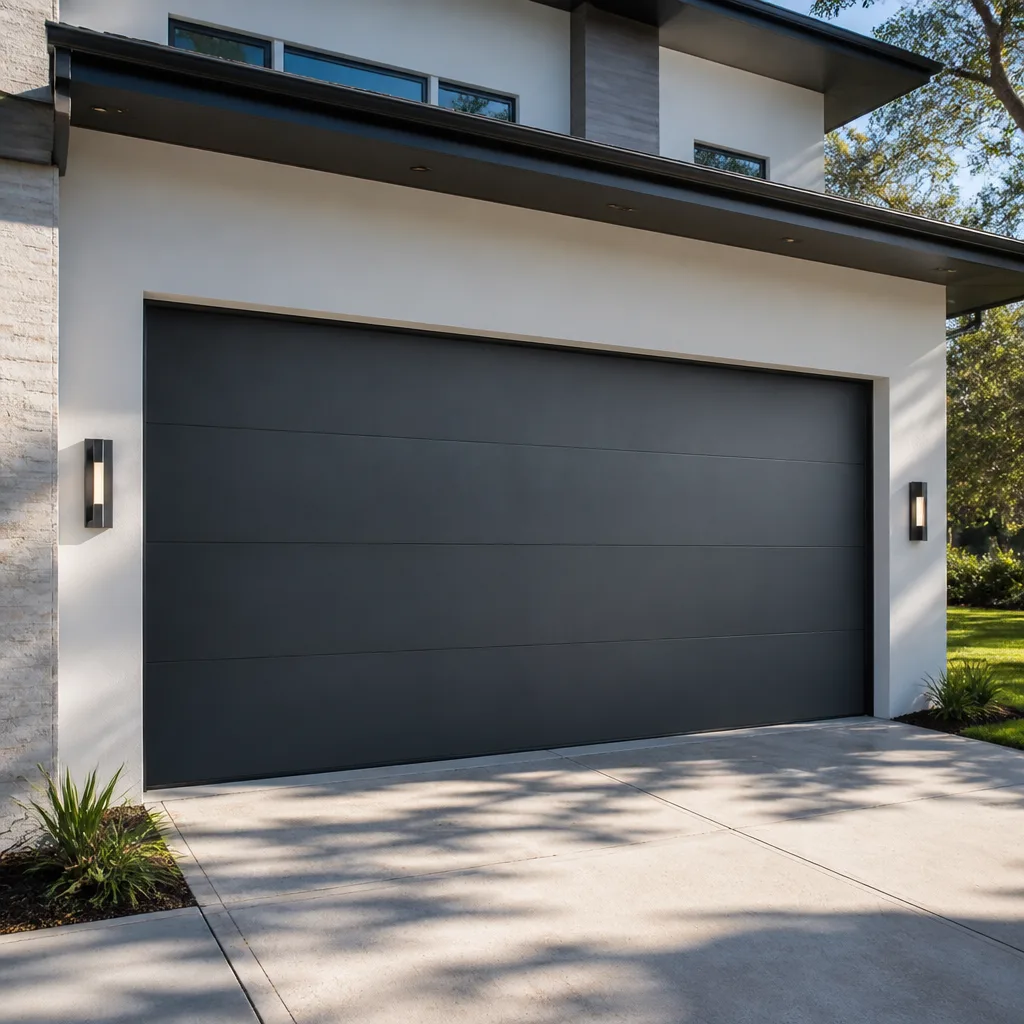 Modern flush
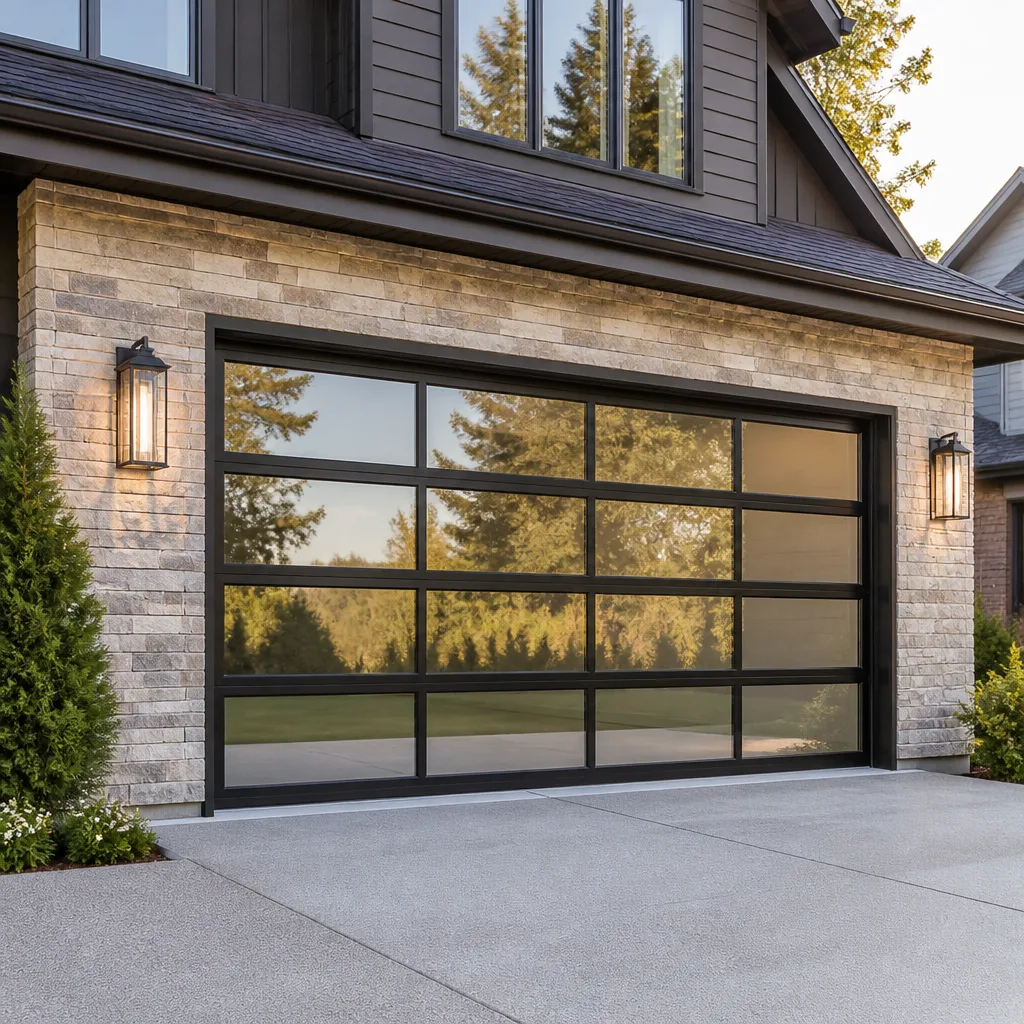 Full-view glass
 LiftMaster openers
 Chamberlain openers
Full 25-point door and opener safety check with every visit - springs, cables, rollers, tracks, and your LiftMaster or Chamberlain opener included
You get a price before we start. It does not change when the pro arrives.
Get your free estimateGarage Door Warning Signs: A Clintonville Homeowner’s Reference Guide
A garage door that hesitates for half a second before it moves is telling you something. Most homeowners ignore that half-second until a torsion spring snaps on a Tuesday morning when everyone’s already late and the car is stuck inside. Here’s the truth about warning signs: the big ones everyone talks about (door won’t open, door won’t close) are usually the last thing to happen, not the first. The useful signals show up weeks or months earlier, and they come through what you hear, what you see, and what you feel when you lift the door by hand. This guide is our reference for reading those signals in Clintonville, so you can sort the “watch it” noises from the “stop using the door today” noises.
Quick Answer
The most important garage door warning signs in Clintonville are subtle ones that appear before a failure: a grinding or scraping sound, a popping noise, visible cable fraying, a spring that’s cracking at the coil, and uneven resistance when you lift the door manually. If the door hesitates, runs slow, reverses on its own, or makes any new sound, use the green/yellow/red triage in this guide to decide whether to monitor it, schedule a service call, or stop using the door completely.
Styles & brands we work with
- Raised-panel steel
- Carriage house
- Modern flush
- Full-view glass
- LiftMaster openers
- Chamberlain openers
Table of Contents
- What Your Door Is Telling You: Audio Diagnostics
- Visual Indicators, Organized by Component
- Feel-Based Checks: The Balance Test and What It Reveals
- Opener Behavior as a Diagnostic Tool
- The Green/Yellow/Red Triage Framework
- How Clintonville Weather Shapes Wear
- Springs: The One Signal You Never Ignore
- Track, Panel, and Hardware Checks
What Your Door Is Telling You: Audio Diagnostics
Sound is the earliest warning system on a garage door, and it’s the one most people filter out because it comes on so gradually. Stand in your driveway and listen with the door moving. You’re listening for three distinct categories of noise, and each one points at a different part of the system. If you hear any of them, you’re catching a mechanical problem while it’s still small enough to fix in a single visit.
- Grinding or rumbling. This is almost always a roller or track issue. Worn steel rollers get flat spots and metal-on-metal contact, and a bent or misaligned track makes the roller drag on the rail. Grinding that gets louder toward one end of the door’s travel usually points at a specific roller or a section of track out of line.
- Popping or snapping. A pop when the door starts or stops is a stress signal, not a normal sound. On a torsion system it can mean the spring is binding or winding unevenly. On an extension system it can mean a cable is jumping a pulley. Popping is a reason to look closely at the springs and cables, not a reason to keep cycling the door.
- Scraping or rubbing. That’s contact: a panel rubbing the frame, a hinge grinding against a panel, or hardware that’s loosened and dropped into the door’s path. Scraping often shows up in the same spots on the panel paint where metal meets metal.
A dull clunk every cycle is common and usually harmless; it’s the door settling against the floor. What matters is anything new. A door that sounds different this month than it did last month is worth investigating. The sound map below is a quick reference for the most common noises and where they point.
- Grinding at one roller position: check roller wear and that section of track.
- Popping at open or close: inspect torsion springs and cables.
- Scraping along a panel edge: check hinge alignment and frame clearance.
- Rattling that increases with speed: check loose bolts and hinge screws.
- Creaking that returns after lubrication: suspect worn rollers, not dry hinges.
Visual Indicators, Organized by Component
Look at your door the way a technician does: one component at a time. A visual check of the whole system takes a couple of minutes, and it’s the most reliable way to catch wear before it turns into a failure. Go through these one by one, with the door closed and the opener disconnected if you’re comfortable doing that safely.
Cables and Drums
Cable fraying is easy to spot once you know the look: broken strands poke out from the wrap like a frayed rope, and the cable can appear thin or kinked in one spot. A worn drum shows up differently: the cable sits unevenly on it, the drum’s grooves look flattened, or the cable appears to be riding up the side. Frayed cables are a serious concern and should be handled by a technician. Do not loosen or touch a cable under tension.
Torsion Springs
A torsion spring that’s cracking at the coil shows visible gaps or lines in the metal, a slight bend in the coil, or rust bleeding through the spring’s coating. Look at the spring above the door when it’s closed. If you see a gap or a crack, that spring is on its way out and should be addressed before it fails. A spring break is loud and dramatic, and it happens suddenly, so a visible crack is a genuine “stop using the door” signal.
Panels, Hinges, and Hardware
- Panels that show cracks, creases, or separation at the seams.
- Hinges with bent leaves, worn pins, or missing screws.
- Bolts that have backed out and leave gap rings in the paint.
- Rollers that wobble in their brackets or show flat spots.
- Weatherstripping that’s cracked, shrunken, or hanging loose.
Tracks
Track problems show up as bends, dents, or a track that’s pulling away from the frame. Stand at each side and sight down the track like a rifle barrel; a bend is obvious that way. A track out of true will cause the door to fight itself on the way up and give you one of the grinding noises described earlier.
Feel-Based Checks: The Balance Test and What It Reveals
The balance test is the single best check you can do yourself, and it reveals spring wear long before a spring breaks. A balanced door needs little effort to lift and stays put when you let go halfway. A door that’s fighting you, or that drops when you release it, is showing you spring wear with its weight. Do this test safely: with the door closed, pull the release cord to disconnect the opener, then lift the door by hand about halfway and let it sit.
- Disconnect the opener with the release cord.
- Lift the door by hand to about waist height.
- Let go gently at the halfway point.
- A balanced door stays where you put it. A door that sinks or rises means the spring tension is off.
- Lower the door slowly and reconnect the opener when you’re done.
Uneven resistance is just as telling. If one side lifts easier than the other, or the door seems to bind halfway up, that points at a spring, cable, or track problem. Never force a door that resists you. If the door feels heavy and doesn’t stay put, leave it disconnected and call a technician; overwinding or adjusting a torsion spring is dangerous work with stored energy that can cause serious injury. Our technicians have up to 11 years of experience balancing and replacing springs safely, and it’s work we take seriously because of what’s on the line.
Opener Behavior as a Diagnostic Tool
Your opener is a diagnostic instrument if you pay attention. The motor, the remote, and the safety sensors are all telling you things about the door system, and the message is usually about something other than the opener itself. When the opener misbehaves, the first question is whether the door is the cause and the opener the messenger.
- Erratic reversals. If the door goes down and then reverses on its own before hitting the floor, that’s usually a safety sensor alignment issue, an obstruction, or a sign the door is binding and the opener is reading resistance. It’s a door problem until proven otherwise.
- Slow travel speed. A door that’s gotten noticeably slower than it used to be is often working against a worn spring or a dragging track. The motor is compensating for resistance.
- Remote range drop-off. If you have to get closer to the house for the remote to work, that’s usually a battery, antenna, or board issue on the opener itself. On a LiftMaster or Chamberlain system, weak range with fresh batteries often points at the receiver or an interference source.
- Straining or stalling. An opener that labors on the way up is being asked to do the spring’s job. That’s one of the most common pre-failure indicators we see, and it’s found on Craftsman and Raynor openers as often as any other brand.
When the opener’s behavior points at the door, our garage door opener repair visits start with the door, not the motor. We work on the opener brands homeowners actually have, including LiftMaster, Chamberlain, Craftsman, and Genie, so the diagnosis doesn’t stall out on “we don’t support that model.”
The Green/Yellow/Red Triage Framework
Not every symptom is an emergency, and not every symptom is nothing. This triage is how we sort what you’re hearing, seeing, and feeling into three practical buckets. Use it as a decision tool before you pick up the phone.
Green: Monitor It
- A dull clunk when the door settles on the floor.
- Rattling that goes away after a small hardware tighten.
- Slight humming from the opener that’s consistent and unchanged.
- Weatherstripping that’s aging but still sealing.
Note what you observed and when, and check again in a few weeks. If the sound or behavior changes, it moves up a color.
Yellow: Schedule a Service Call
- Grinding or scraping that’s new or getting louder.
- A door that’s noticeably slower or heavier than it used to be.
- Visible cable fraying.
- Erratic reversals or sensors that need frequent adjustment.
- Uneven resistance in the balance test.
Yellow means the system is working but telling you it needs attention. Call us and get it on the schedule before a green turns into a red. Estimates are free.
Red: Stop Using the Door
- A popping or bang from the springs.
- A spring with a visible crack or gap at the coil.
- Frayed or broken cables.
- A door hanging unevenly or off its track.
- A door that won’t stay up in the balance test.
Red means the stored energy in the springs and cables is a safety concern. Stop cycling the door, leave it closed if you can, and call us. Do not try to fix spring or cable problems yourself; the tension in those components can cause serious injury. Spring work is a safety issue, not just a repair call, and our garage door repair team handles springs as an in-house specialty rather than farming the job out.
How Clintonville Weather Shapes Wear
Clintonville’s seasonal swings put real stress on garage door systems, and knowing that helps you time your checks. Freeze-thaw cycles through winter work on the rubber seals and the metal hardware at the same time. Weatherstripping that stayed soft all summer hardens in the cold and can crack at the hinge line. The rollers take more load when the tracks contract, and the door runs a little tighter in January than it does in October. Summer humidity in Clintonville swells the wood frame around the opening and works on exterior paint, which is why scraping noises tend to show up in the warmer months.
The practical takeaway is timing. Do an audio and balance check at both seasonal changeovers in Clintonville: once as fall turns toward winter, and once as spring arrives. Those are the two moments when a door that was fine in mild weather starts to show it. Also check the opener’s remote range in cold weather; batteries drain faster in the cold, and range drop-off in winter is often just a battery issue. If you’re doing a spring tune-up on your own, keep it to the visual and audio checks. Leave the spring tension, cable work, and any adjustment of the opener’s force settings to a technician.
Springs: The One Signal You Never Ignore
Springs store enormous energy, and they don’t give you much warning before they let go, so the warning signs you can see and hear matter. A torsion spring that’s cracking at the coil, a spring that pops or bangs, and a door that suddenly feels heavy are all spring messages. Extension springs have their own tell: a stretched spring, a gap in the coils, or a missing safety cable. A spring break sounds like a gunshot from inside the garage, and when it happens the door will come down slowly or not at all, and the opener will strain trying to move it.
If you suspect spring wear, stop using the door. A heavy door that’s being forced by the opener is putting load on the motor that it wasn’t designed for, and the sound you hear is the opener taking the strain the spring can’t anymore. Our spring repair is handled in-house because it requires the right tools, the right training, and a healthy respect for the energy in a wound torsion spring. Our technicians have up to 11 years of experience with torsion and extension systems, and they’ll show you the failed or worn spring so you can see the problem for yourself before any work begins.
Prices are quoted and agreed before work starts. For one spring, typical repair ranges are discussed when we’re on site and have seen the system; we set the written estimate to your door and spring type rather than quoting over the phone. A matched pair is usually replaced together, so a pair costs about twice a single spring. You’ll have the number in writing before we touch the door.
Track, Panel, and Hardware Checks
The door’s moving parts are where early wear shows up first, and tracking problems are the most common cause of the grinding and scraping sounds described above. A track that’s bent, loose at the bracket, or pulling away from the frame will cause the door to bind. A panel that’s cracked at the hinge line will start to rub the frame and scrape on the way up. Hinges with worn pins rattle and, over time, wear the panel holes wider. Rollers with flat spots thump once per revolution of the door’s travel, which means the sound repeats at a steady interval.
Here’s what to check on a routine pass:
- Sight down each track for bends or a visible gap at the brackets.
- Check that the door’s hinges are tight and the leaves aren’t bent.
- Look for rust streaks or paint cracks around bolts, which mark a loose fastener.
- Check rollers for wobble, flat spots, or a wheel that’s separated from its stem.
- Look at the bottom seal for cracks, tears, or a section that’s come off.
Rollers, hinges, and seals are exactly the kind of parts we keep on hand, so when a technician identifies a worn roller during a visit, the fix usually happens in the same visit rather than waiting on an order. If you’re noticing tracking problems, panel cracks, or hardware that keeps loosening in Clintonville, that’s a good time to get a professional eyes-on the whole door. Call (844) 660-4497 and we’ll take a look and give you a free estimate.
Common Mistakes to Avoid
- Treating “it still opens” as a clean bill of health. Most failing doors still open right up until they don’t. A door that opens with grinding and hesitation is already telling you the repair is due.
- Ignoring a new sound because the door still works. New noises don’t clear up on their own; they get louder or they turn into a failure. Troubleshooting the sound map is faster than waiting for a breakdown.
- Oiling hinges and calling it done. Lubrication quiets a noise without fixing the cause. A worn roller that’s been oiled still needs replacing, and the sound coming back after a lube is the real message.
- Adjusting the opener’s force setting to push a heavy door. Turning up the opener’s force to move a heavy door is masking a spring problem and putting extra strain on the motor.
- Skipping the seasonal check. Clintonville’s freeze-thaw cycles do the damage in the seams and hinges, and a check at each seasonal changeover catches problems before they become repairs.
- DIY spring or cable work. Torsion springs and cables are under high tension and can cause serious injury if they’re touched without the right tools and training. Leave that work to a technician.
- Calling a handyman for a spring problem. Springs are safety-critical. A generalist who avoids spring work or subs it out adds a handoff to a job that needs a specialist. A focused garage door company handles it in-house.
See the difference
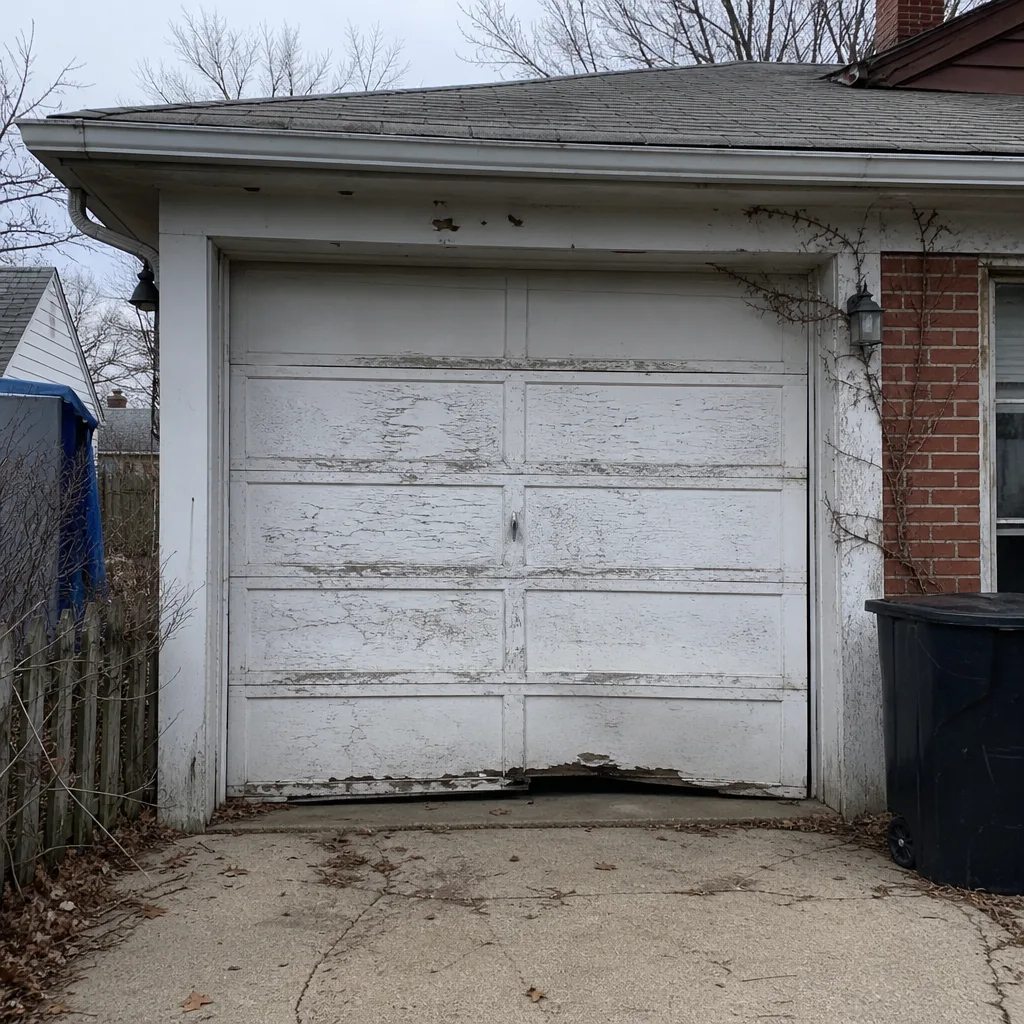 Before
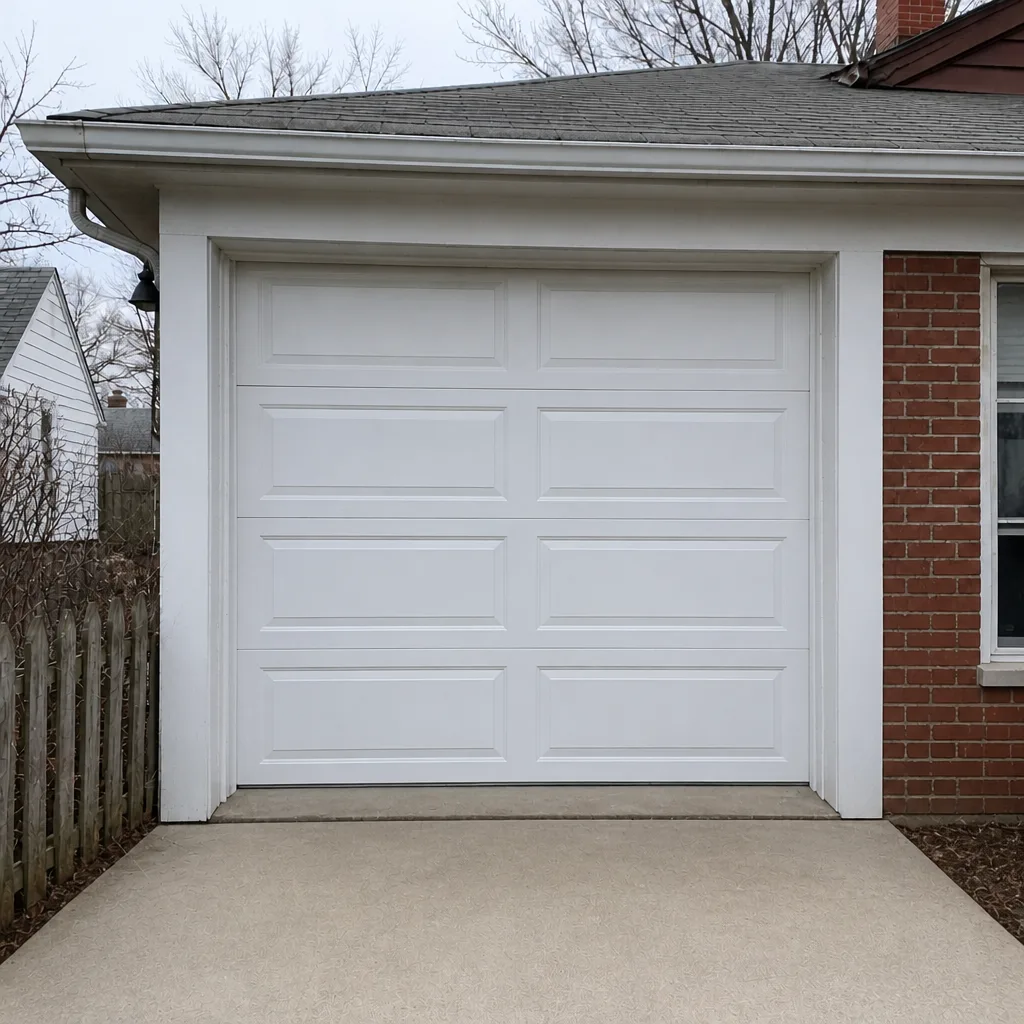 After
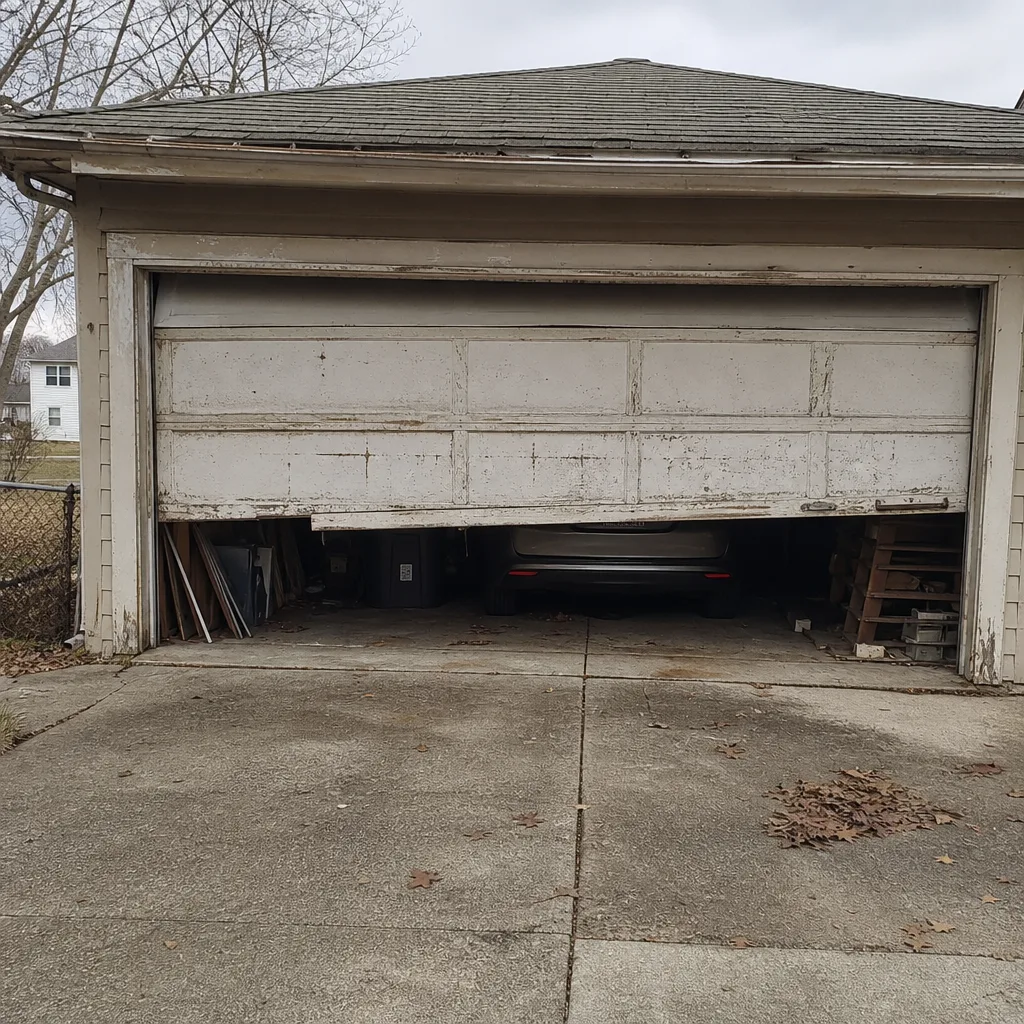 Before
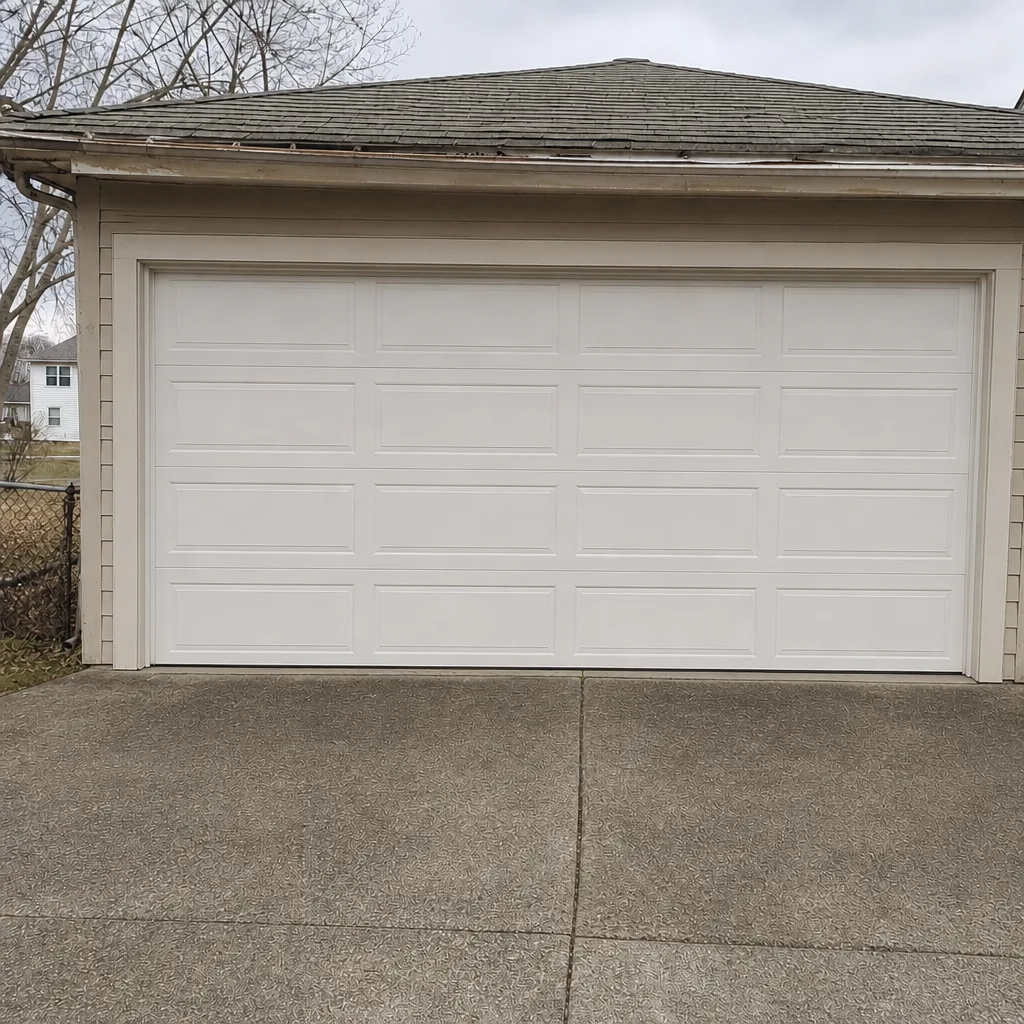 After
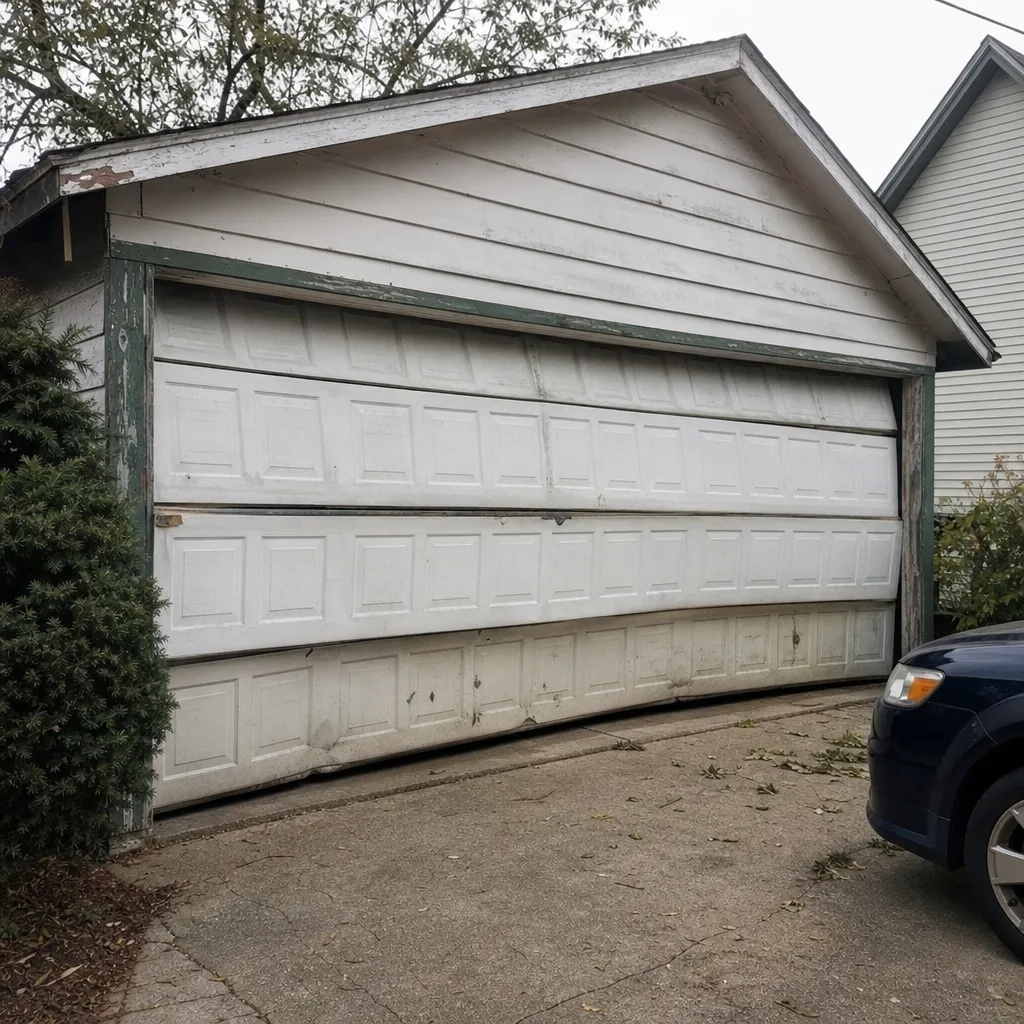 Before
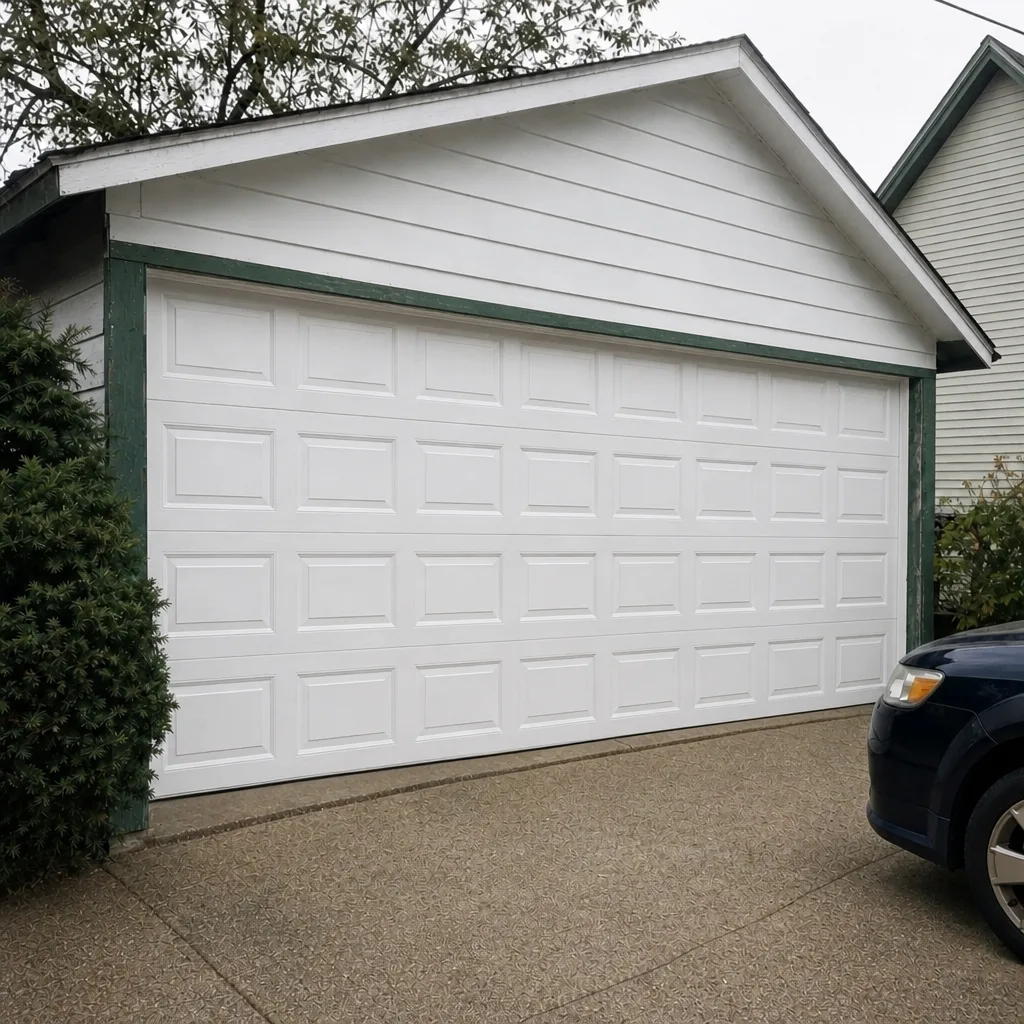 After
When to Call a Professional
Call a professional when you hear a new grinding, popping, or scraping sound; when a spring shows a crack or gap; when a cable looks frayed; when the balance test shows uneven resistance; or when the door reverses or hesitates on its own. Also call when you’re planning a new door or opener, since that work needs a measure and a written price rather than a same-day fix. Stopping the door before a spring fails is cheaper and safer than waiting for the break. Our garage door installation work covers new doors and openers, and repair and parts visits cover everything on the existing system. Garage Door Repair Clintonville offers free estimates in Clintonville. Call (844) 660-4497 and we’ll take a look.
Frequently Asked Questions
The first warning sign is usually a change in how the door sounds or feels, not a failure: a half-second hesitation before it moves, a new grinding or popping noise, or uneven resistance when you lift it by hand. The balance test is the most reliable home check. If the door won’t stay put at halfway, the spring is worn. Call (844) 660-4497 for a free estimate.
A popping or banging sound can be dangerous because it often points at spring or cable stress, and those parts hold stored energy that can cause serious injury if they fail or are handled incorrectly. Stop using the door and call a technician. Spring work is a safety issue, not just a repair call. Call (844) 660-4497 and we’ll take a look.
Yes, the balance test itself is safe if you disconnect the opener and lift the door by hand to about waist height, then let go gently. The danger is in adjusting the spring, not testing the door. If the door sinks or feels heavy, leave it disconnected and call. Our technicians will do the spring work safely. Call (844) 660-4497 for an exact quote, free of charge.
If the door reverses, drags, or runs slow, the door system is usually the cause and the opener is the messenger. If the opener’s remote range drops with fresh batteries or it hums without moving, look at the opener itself. We work on LiftMaster, Chamberlain, Genie, and Craftsman openers as well as their doors, so a diagnosis covers both. Call (844) 660-4497.
No, we’re closed Saturday. We’re open Sunday through Friday, 7am to 7pm. If your door fails on a Saturday, call (844) 660-4497 and we’ll book you for Sunday. Estimates are free.
The written estimate sets the price, and it’s quoted and agreed before any work starts. We won’t hand you a bill that’s larger than the quote. For a spring, the range depends on the spring type and whether it’s a single or a matched pair, and you’ll have the number in writing first. Call (844) 660-4497 for a free estimate.
The local pro we connect you with is licensed and insured as the state requires. Our technicians have up to 11 years of experience with springs, openers, tracks, and the major door brands, including LiftMaster, Chamberlain, Clopay, Amarr, Wayne Dalton, Craftsman, and Raynor. Call (844) 660-4497 to book a visit.
How often should I check my garage door in Clintonville?
Check it at both seasonal changeovers, once as fall turns to winter and once as spring arrives, because that’s when Clintonville’s freeze-thaw and humidity swings show up in the hinges, seals, and hardware. A quick audio and balance check at each changeover catches most early warnings. Call (844) 660-4497 if anything sounds or feels off.
The Bottom Line
The useful garage door warning signs aren’t the dramatic ones; they’re the subtle ones: a new sound, a visible crack at the coil, a door that feels heavier than it should. The green/yellow/red triage sorts them into what you can monitor, what needs a service call, and what needs the door stopped now. The balance test is the best home check you can run, and springs are the one component where a delay is never worth it. Read your door the way a technician would, catch the warnings early, and the breakdown stays hypothetical.
If a sound, a sight, or a feeling has you wondering, call (844) 660-4497 for a free estimate. We’re open Sunday through Friday, 7am to 7pm, and closed Saturday. We’ll take a look, show you what we’re seeing, and you’ll have a written price before any work begins. Whether it’s a spring on the way out, a roller that’s worn, or an opener that’s straining, one call covers the whole door.
Written by the team at Garage Door Repair Clintonville.