Last updated November 21, 2026
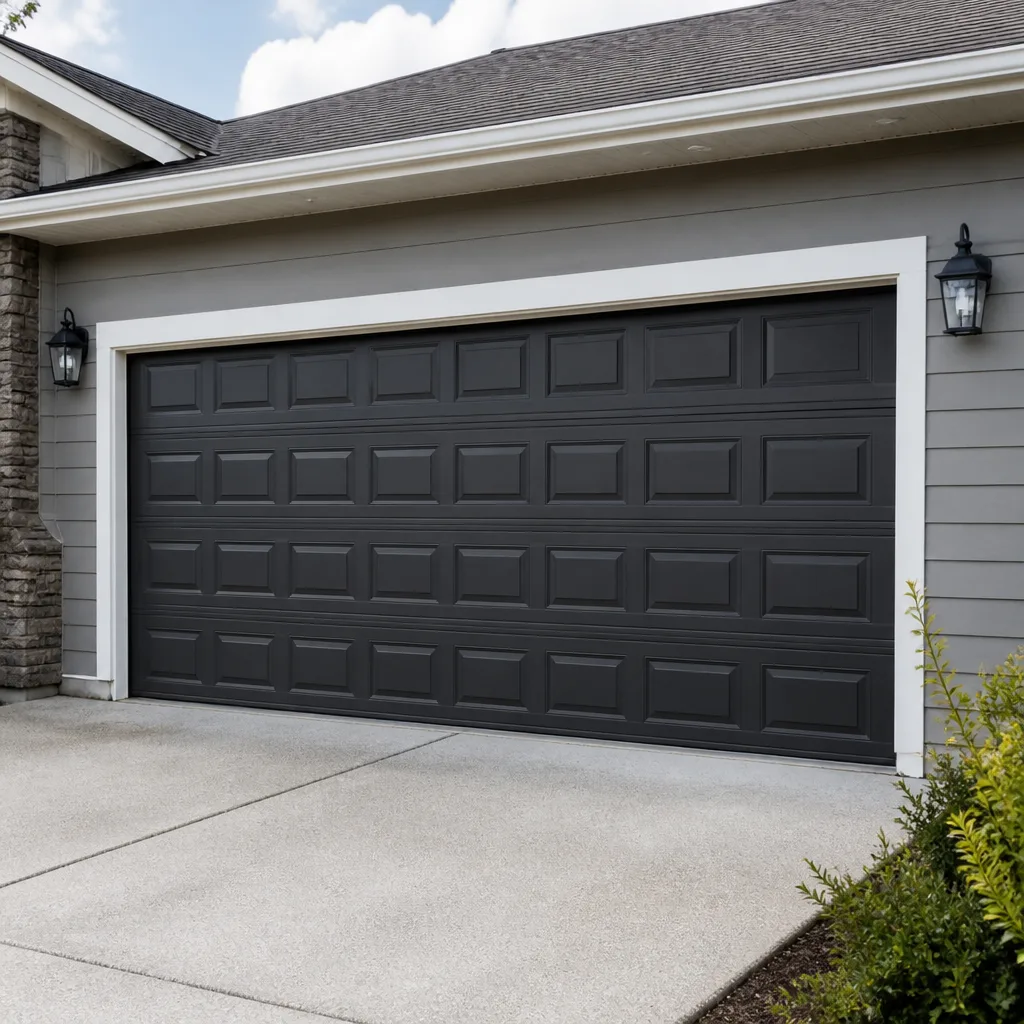 Raised-panel steel
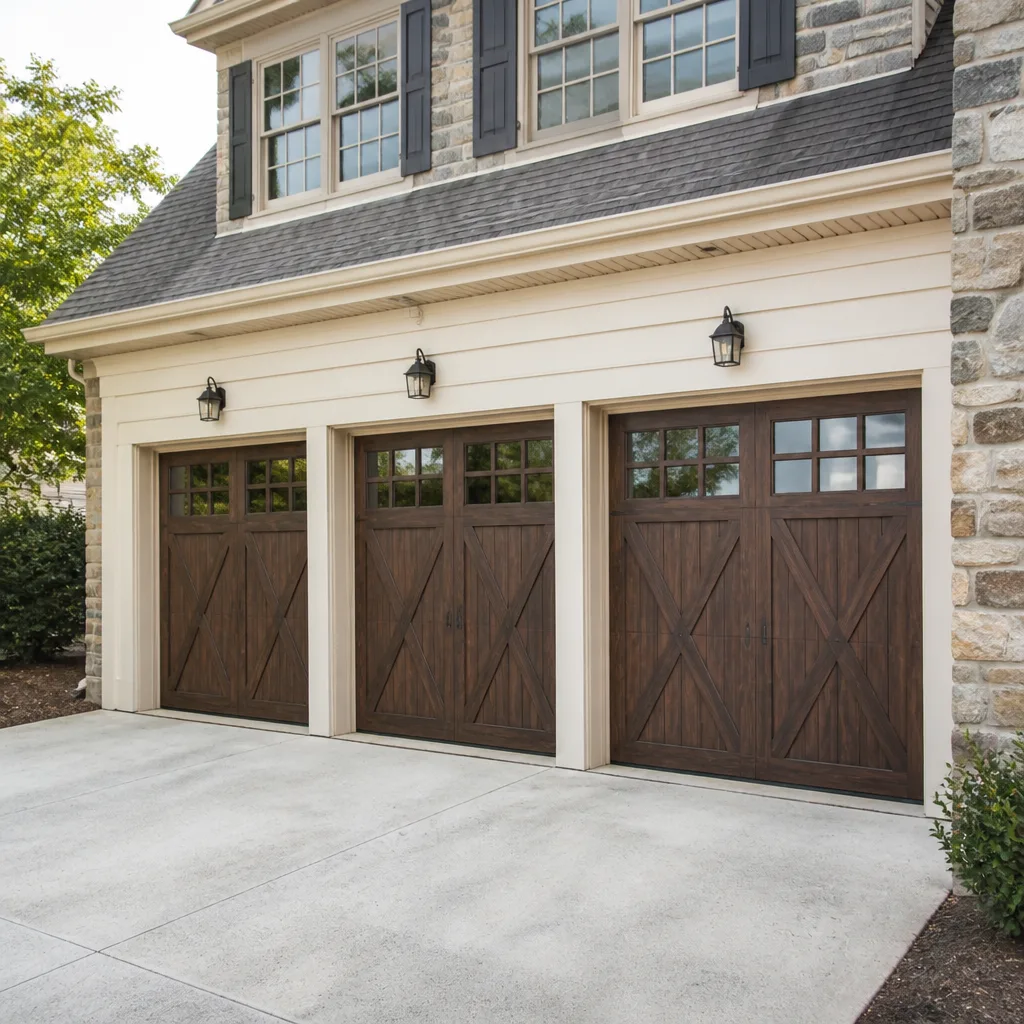 Carriage house
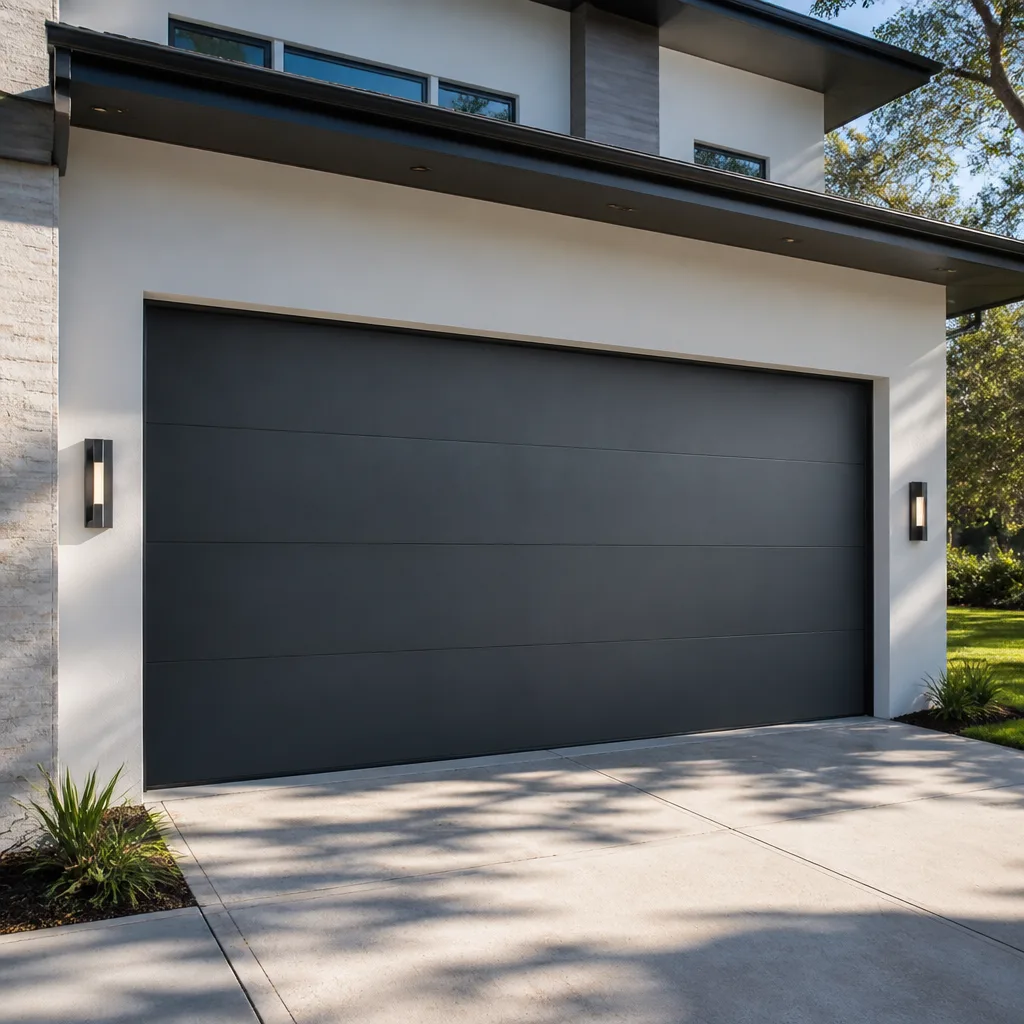 Modern flush
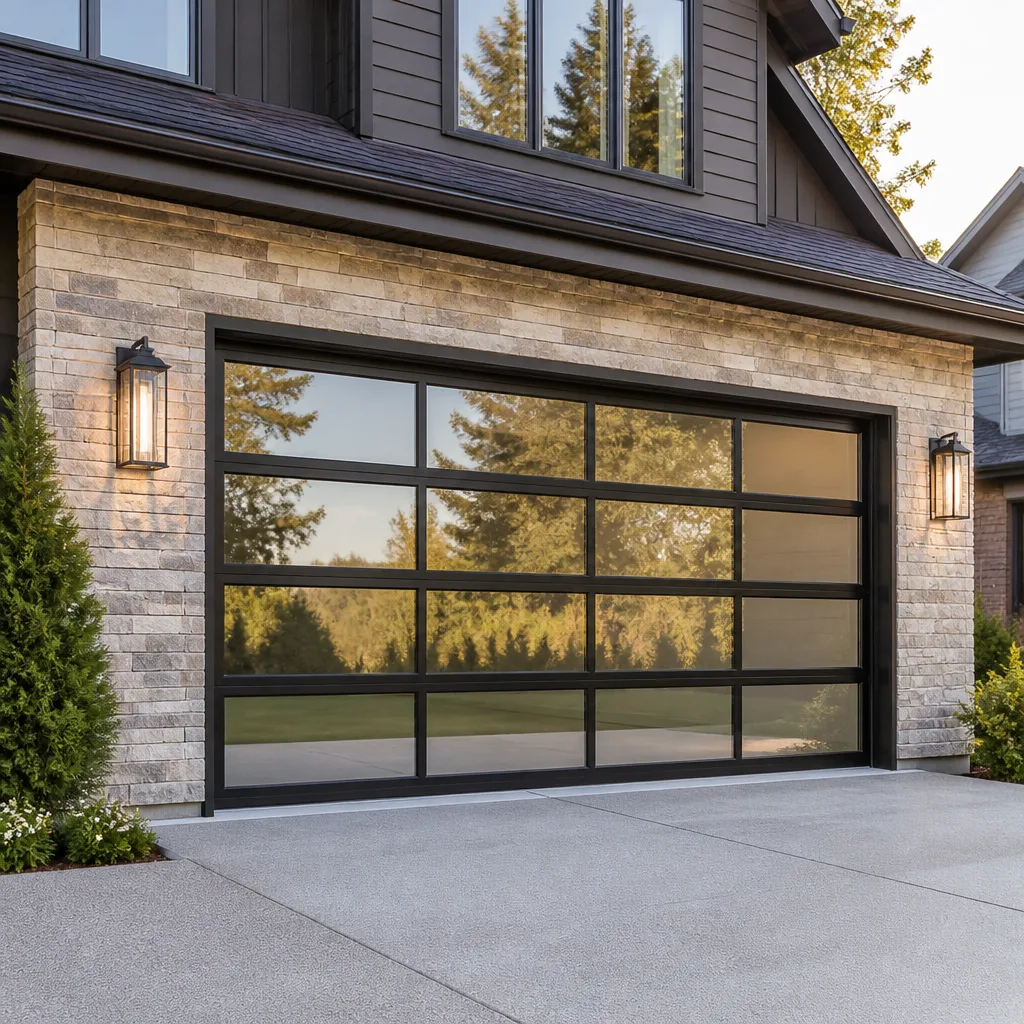 Full-view glass
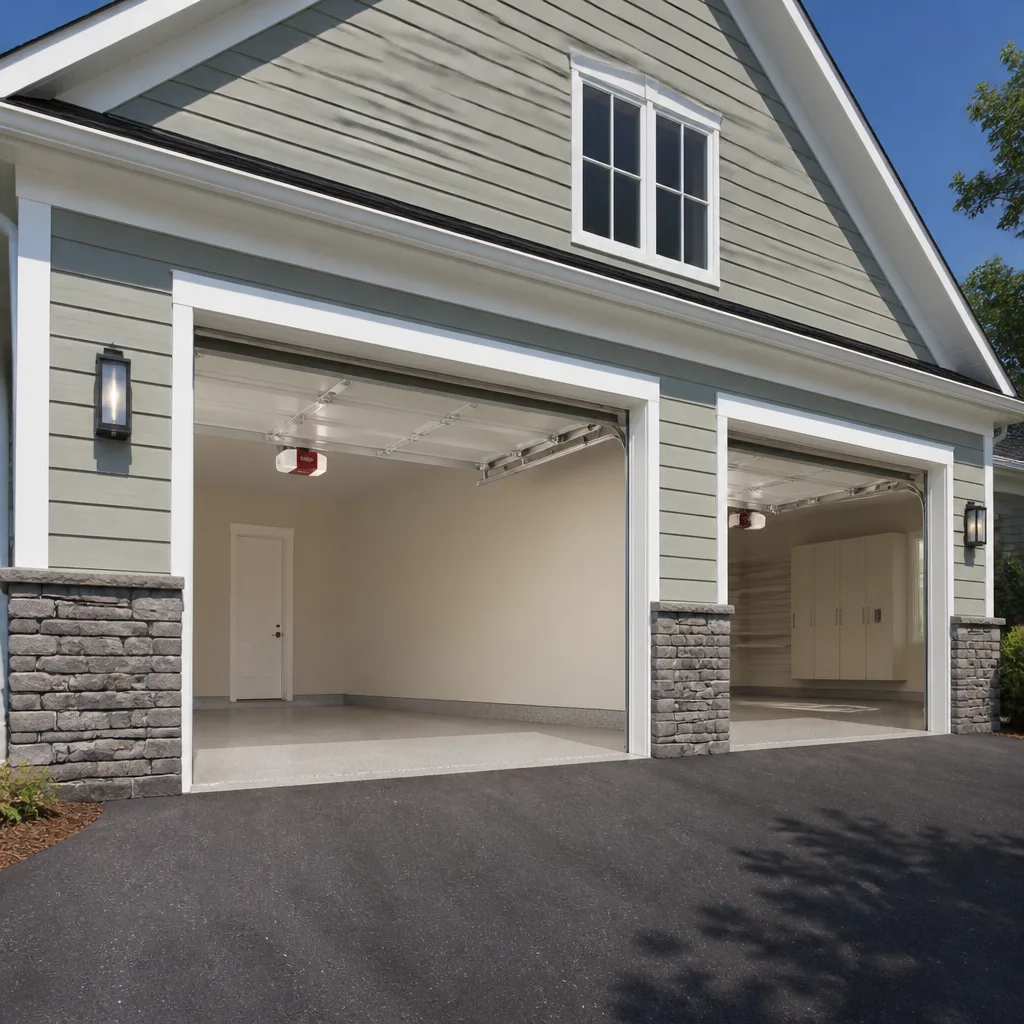 LiftMaster openers
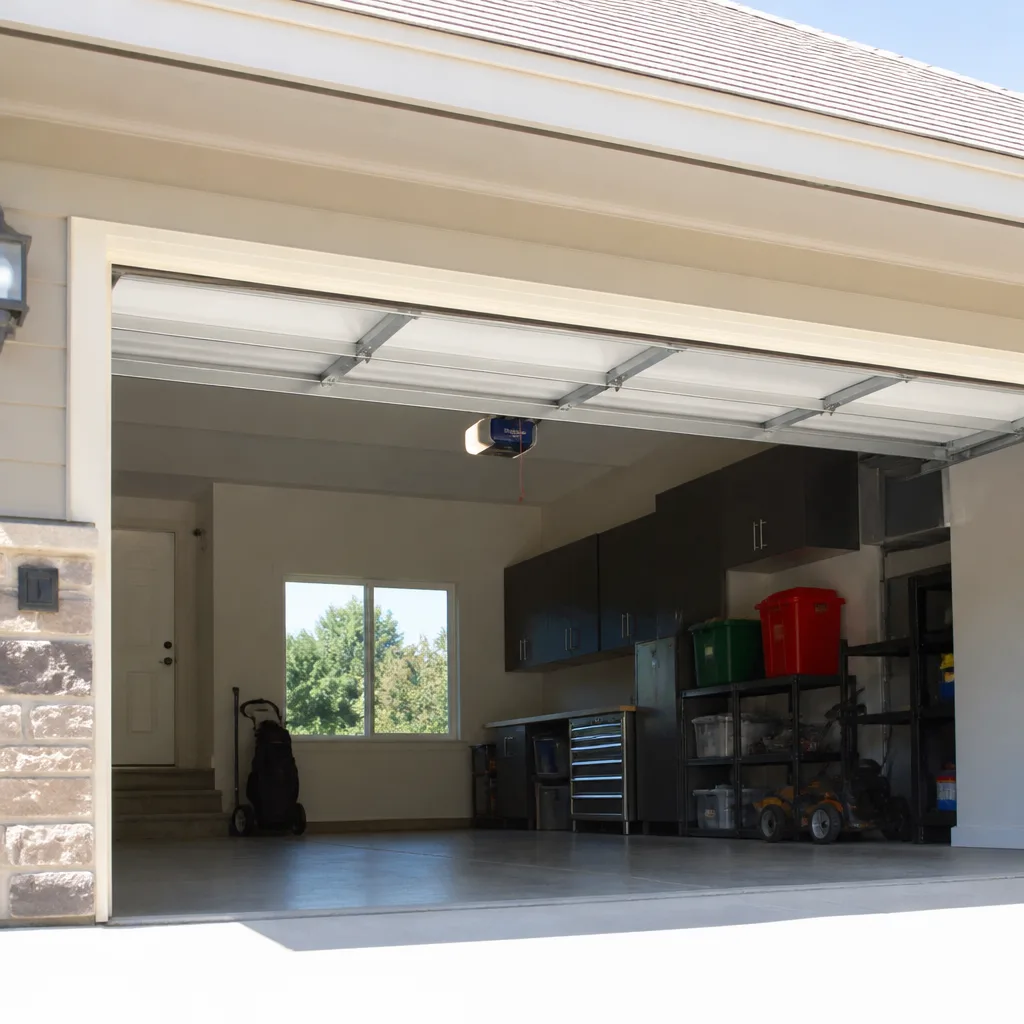 Chamberlain openers
Full 25-point door and opener safety check with every visit - springs, cables, rollers, tracks, and your LiftMaster or Chamberlain opener included
You get a price before we start. It does not change when the pro arrives.
Get your free estimateGarage Door Repair Maintenance Checklist for Clintonville Homeowners
Lubricating your garage door with WD-40 is one of the most common DIY moves in Clintonville, and it’s actively degrading your rollers and tracks every time you reach for that blue can. WD-40 is a solvent and water displacer, not a lubricant. It strips the factory grease from your rollers, attracts grit into the tracks, and leaves metal running metal. Most maintenance checklists make it worse by handing you ten generic points that treat a torsion spring system exactly like an extension spring system. This guide is organized by component, so you’re inspecting what’s actually in front of you in your Clintonville garage, not some hypothetical average door.
Quick Answer
A safe, effective garage door maintenance check covers six components: springs, cables, rollers, tracks, bottom seal, and opener. You can safely verify balance, roller condition, track alignment by eye, seal integrity, and opener force settings yourself. Spring tension and cable condition require a trained technician, because both are under extreme load and can fail violently. In Clintonville, the heaviest inspection window falls at the end of fall and again after the last hard freeze-thaw cycle of winter, when shifting soil and temperature swings throw tracks out of alignment.
Styles & brands we work with
- Raised-panel steel
- Carriage house
- Modern flush
- Full-view glass
- LiftMaster openers
- Chamberlain openers
Table of Contents
- Springs: What to Look For Without Touching Them
- Cables: The Component Most Likely to Injure a DIYer
- Rollers and Hinges: Wear You Can Actually See
- Tracks and Alignment: Clintonville’s Freeze-Thaw Problem
- Bottom Seal and Weatherstripping
- Opener Checks for LiftMaster, Chamberlain, and Genie
- The Right Lubricant for Each Component
- When to Inspect: A Clintonville Seasonal Calendar
Springs: What to Look For Without Touching Them
Your springs do the heavy lifting. The opener only guides the door. That’s why spring condition matters more than anything else on this list, and why springs are the one component you inspect with your eyes and ears only. In Clintonville, we work on both torsion systems (the horizontal spring on a shaft above the door) and extension systems (springs running along the horizontal tracks), and each fails differently.
On a torsion spring, “worn” looks like this:
- A visible gap in the coil, roughly the width of a finger. That gap means the spring has broken and the door is being held by the opener alone.
- A door that feels extremely heavy when you lift it by hand, or won’t stay open at the halfway point.
- A loud bang from the garage followed by the door refusing to open. That sound is a spring letting go.
- Rust streaks or dark discoloration along the coil, common after a wet Clintonville winter.
On an extension spring, “worn” looks like this:
- Visible stretching compared to the spring on the opposite side. Uneven length means uneven load.
- Missing or stretched safety cables running through the center of the spring. Those cables exist to contain the spring if it breaks.
- A door that rises crooked or binds on one side.
Here’s the line: you can look at a spring. You cannot safely touch one, adjust one, or wind one. Torsion springs hold enough stored energy to break a hand or worse, and the winding process requires specific bars and training. If you see a gap, hear a bang, or feel a door that suddenly won’t lift, stop operating it and call for garage door repair. We handle spring work in-house, and our technicians have up to 11 years of experience with both torsion and extension systems.
Cables: The Component Most Likely to Injure a DIYer
Cables run from the bottom corners of your door up to the drums at the top of the tracks. They’re under constant tension, and they’re the second component on this checklist that belongs strictly to a trained technician. A frayed cable can snap without warning while you’re standing beside it.
What “worn” looks like on a cable:
- Frayed strands sticking out like a brush anywhere along the length.
- Kinks or sharp bends that don’t straighten out.
- A cable that’s jumped off its drum and is riding between the drum and the track.
- Rust pitting along the cable, which is common on doors that face a wet Clintonville alley or an unheated detached garage.
Do not test cable tension by hand, and never attempt to re-seat a cable on its drum. If a cable looks frayed or has come loose, take the door out of service, disconnect the opener, and don’t run it. Cables and springs work as a pair, and when one fails the other is usually near the end of its life too, which is why we almost always recommend replacing both cables when a spring lets go.
A quick visual scan of both cables is a thirty-second job you can do from the floor without touching anything. Do it at the same time you check your springs and you’ll catch most cable problems early.
Rollers and Hinges: Wear You Can Actually See
Rollers are where most of your door’s noise and friction come from, and unlike springs and cables, you can inspect and even lubricate them safely. Most Clintonville garages have either nylon rollers or steel ball-bearing rollers. Both wear, but differently.
How to check your rollers:
- With the door closed, look at each roller where it meets the track. You should see it sitting straight and riding smoothly.
- Nylon rollers that look flat-spotted, cracked, or chipped need replacing. They’ve lost their round profile and will wear your tracks.
- Steel rollers showing rust or missing ball bearings need replacing. They’ll grind and skip.
- Grab each roller gently and check for wobble. A loose roller means a worn hinge or a stripped mounting hole.
Hinges are the other half of this picture. On a sectional door, hinges connect the panels and bend as the door rolls up. Loose hinge screws are one of the most common sources of a rattling door in Clintonville, and they’re also one of the easiest things to fix, provided the panel wood or metal around the screw isn’t stripped. If a screw won’t tighten, the hole needs a slightly larger screw or a technician’s assessment before the hinge pulls free.
Roller replacement is a reasonably safe homeowner task on the roller ends, but the bottom bracket and the hinges nearest the springs carry the same load danger as the springs themselves. Stick to inspection and lubrication of the upper rollers, and leave anything near the springs to Garage Door Repair Clintonville.
Tracks and Alignment: Clintonville’s Freeze-Thaw Problem
Clintonville’s older housing stock is largely built on clay-heavy soil, and clay expands when it freezes and contracts when it thaws. That movement translates directly into your garage slab, which translates into your track anchors. If your door starts catching, scraping, or binding for no obvious reason, a shifted track is the first suspect.
What misaligned tracks look like:
- A visible gap between the roller and the track on one side but not the other.
- Tracks that are no longer parallel to each other when you sight down them from the front of the garage.
- A door that binds at one spot on its way up or down, then moves freely above or below it.
- Loose lag bolts visible where the track meets the wall or ceiling.
A safe homeowner check: stand back and sight down each vertical track with the door closed. It should look straight, not kinked. Run the door by hand (opener disengaged) and listen for a scrape at a specific point. That tells you where the track is off.
What you don’t do is bash the track back into place with a hammer. Tracks are lighter gauge than they look, and a dent or a kink in a track creates a permanent rough spot that destroys rollers. A technician uses proper spreaders and aligned bolts to bring a track back to true. After a hard winter in Clintonville, a track that’s out a quarter inch is common, and it’s worth having it checked rather than running the opener against the resistance and burning out the motor in the process.
Bottom Seal and Weatherstripping
The bottom seal (also called the bottom weatherstrip or astragal) is the rubber or vinyl strip running along the bottom panel of the door. It’s the single cheapest component on this checklist to replace and the one with the clearest local payoff in stretch of the year that matters most on either side of the temperature scale.
What a worn seal looks like:
- Visible gaps between the seal and the floor when the door is down. Hold a flashlight at floor level inside a dark garage and sight along the bottom from outside: any light at the base is a gap.
- Cracks, splits, or a seal that’s gone stiff and flat. From the temperatures seen in a Clintonville winter, rubber that hasn’t been replaced in years loses its flexibility and stops conforming to the slab.
- Daylight visible at the top corners, which signals worn header weatherstripping, letting in cold air and insects.
A worn bottom seal lets cold air, moisture, and pests into the garage, and it also lets grit into the tracks where it chews up rollers. If you’re running a door with an original seal on a Clintonville house built decades ago, replacement is cheap insurance.
Check the bottom seal at the same time you check your spring and cables. It’s a thirty-second visual. When you need replacement parts, we source and supply them, which means a technician can diagnose the seal and fit the right profile in the same visit.
Opener Checks for LiftMaster, Chamberlain, and Genie
Your opener is the part of the system you interact with every day, and it’s the component most likely to be replaced prematurely when the real problem is a door that’s out of balance. Before you blame the opener, check the door by hand with the opener disengaged. If it won’t lift smoothly, the opener is doing the door’s spring work and it will eventually fail.
Force adjustment test (all major brands):
- Disengage the opener (usually a pull rope or lever on the rail) and lift the door by hand. If it takes more than light effort, the door is out of balance and needs a spring check, not a force adjustment.
- With the door balanced, re-engage the opener, then open and close it fully. It should move smoothly without straining.
- Set a small obstacle (a length of scrap wood) on the floor in the door’s path, then run the door down. It should reverse on contact, not continue onto the wood. If it doesn’t reverse, the down force is set too high, which is a safety issue.
- Test the safety sensors at the base of the tracks by blocking the beam with your hand while the door is closing. The door should reverse immediately. Clean each sensor lens with a dry cloth.
Brand-specific notes: LiftMaster and Chamberlain are essentially the same platform (Chamberlain makes LiftMaster), so their force adjustment and safety-reverse diagnostics behave identically. Genie units often have a slightly different adjustment arrangement on the motor housing, and the older chain-drive models can develop tension problems in the rail after years of temperature cycling. If you can’t find the force adjustment on your unit, your model number is usually printed on a sticker on the motor housing, and we can work from that.
If your door won’t reverse on an obstacle, stop running it and call for garage door opener repair. A door that doesn’t reverse is a serious hazard, especially in a house with kids or pets. We work on LiftMaster, Chamberlain, and Genie, plus Craftsman and Raynor units, so a tech recognizes the adjustment arrangement before they knock.
The Right Lubricant for Each Component
This is where the standard checklist fails hardest. Different components need different treatment, and WD-40 doesn’t belong on any of them as a primary lubricant. Here’s what to use where:
- Rollers and hinges: white lithium grease or a garage-door-specific spray lubricant. Apply to the hinge pivot points and the roller bearings, not the roller surface against the track.
- Track on the roller side: a light silicone spray along the inner track channel. Silicone dries to a thin film that lubricates without attracting dust. Never grease the track: grease collects grit and turns the track into a grinding surface.
- Torsion spring (surface only): technician territory. A technician may apply a specific lubricant to a torsion spring during service, but don’t add anything yourself.
- Bottom seal and weatherstripping: a light silicone spray to keep the rubber supple. This is the one component that benefits from a quick seasonal treatment, and it extends the seal’s life considerably.
- Screws, bolts, and lock mechanisms: a light lubricant or a drop of oil. Not grease.
- Nothing: the opener rail, cables, and the spring winding mechanism.
Why WD-40 is the wrong call: it acts as a solvent and displaces the grease that’s already on your rollers. The first application makes things feel better because it’s a light carrier. The second application strips the remaining grease. By the third you’re running metal on metal, and your rollers and tracks are wearing faster than they would have been with no treatment at all. White lithium grease in a spray can costs about the same as WD-40 and does the job the right way.
A full lubrication pass once or twice a year takes about fifteen minutes and is the highest-return maintenance task on this list. We supply the right parts and lubricants for every major brand, including garage door installation components if you’re upgrading a door or opener.
When to Inspect: A Clintonville Seasonal Calendar
Clintonville’s climate drives a specific inspection rhythm. The freeze-thaw cycle, the wet spring, and the hot summer each stress different parts of your door system in different ways, and timing your checks to those cycles catches failures before they become emergencies.
Late fall (before the first hard freeze): This is your heaviest inspection. Check springs, cables, rollers, and tracks, and lubricate everything that needs it. The idea is to go into winter with a balanced, quiet door. Cold temperatures make metal brittle and grease stiff, so a door that’s marginal in October will be a problem in January. Test the opener’s safety reverse now, while the garage is still comfortable to work in.
After the first hard freeze-thaw cycle (typically late winter into early spring): This is when track misalignment shows up most often in Clintonville. The ground under your slab has heaved and settled, and the track anchors have followed. Sight down the tracks and listen for scraping. If a door is suddenly catching or binding, get the tracks checked before the opener strains against the misalignment.
Late spring: Check the bottom seal for winter damage and the rollers for rust. Lubricate hinges and roller bearings. This is also a good time to clean the safety sensor lenses, which collect dust and pollen over the season.
Midsummer: A quick visual scan for anything loose. Heat expands tracks marginally and can loosen lag bolts. The door should run quietly; if it’s started to rattle, loose hinges or rollers are usually the cause.
Two full inspections a year (fall and spring) plus a mid-January rubber check used to cover most Clintonville doors. If you notice anything new between those windows, don’t wait for the calendar.
Common Mistakes to Avoid
- Using WD-40 as a door lubricant. It’s a solvent, not a lubricant, and it strips the grease your rollers need. Use white lithium grease or silicone spray instead.
- Greasing the tracks. Grease on the roller side of the track attracts grit and creates a grinding paste. Use a light silicone spray, or nothing at all.
- Trying to adjust spring tension. Both torsion and extension springs are under enough load to cause serious injury. A visual inspection is safe; touching the winding mechanism is not. Call a technician for anything spring-related.
- Bashing a bent track back into place with a hammer. Tracks bend, not spring back, and a kinked track will destroy rollers. A technician realigns tracks properly.
- Ignoring the safety reverse test. A door that doesn’t reverse on an obstacle is a hazard to anyone in the garage. Test it twice a year and stop using a door that fails.
- Assuming misalignment is normal for an older door. Track misalignment after a hard Clintonville winter is common but not something to live with. It strains the opener and accelerates roller wear.
- Replacing the opener when the door is out of balance. If the door is heavy or binds, the opener is doing work the springs should be doing. Fixing the balance is cheaper than a new opener.
See the difference
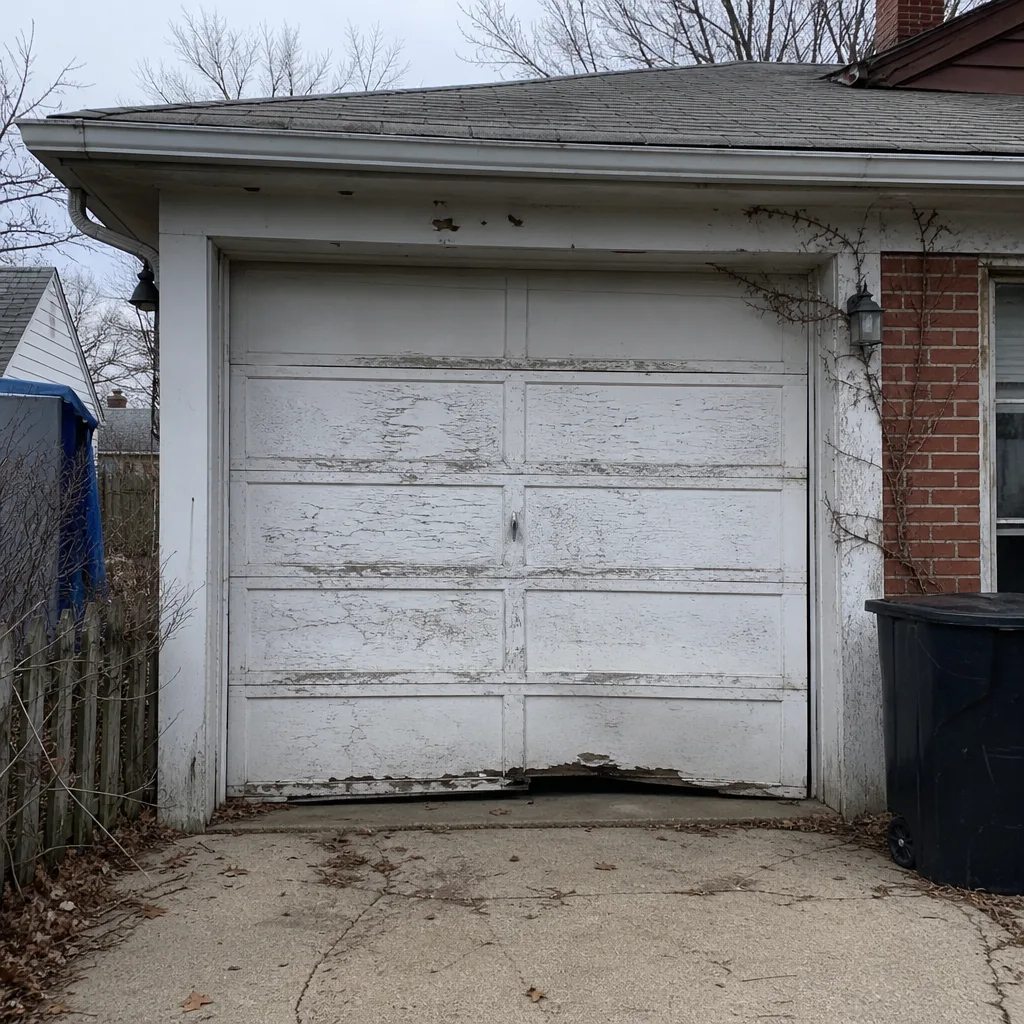 Before
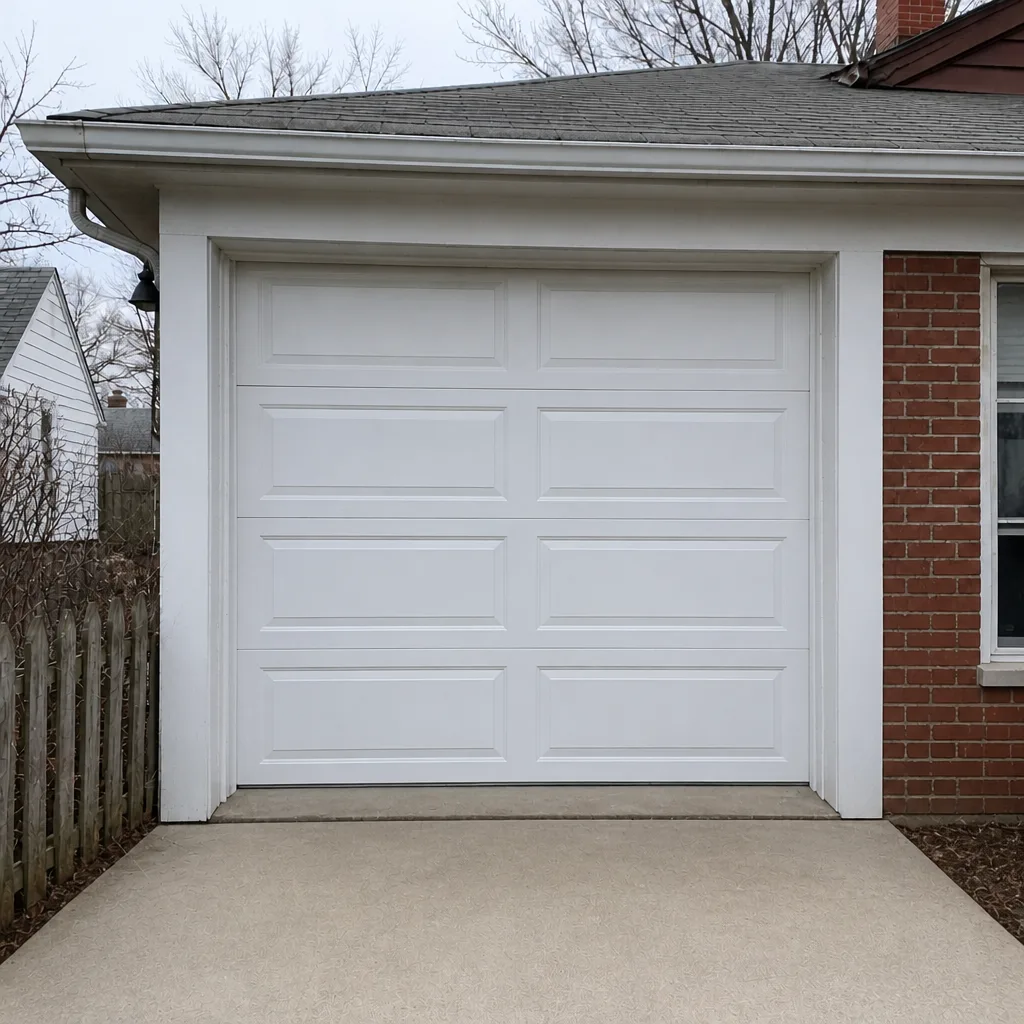 After
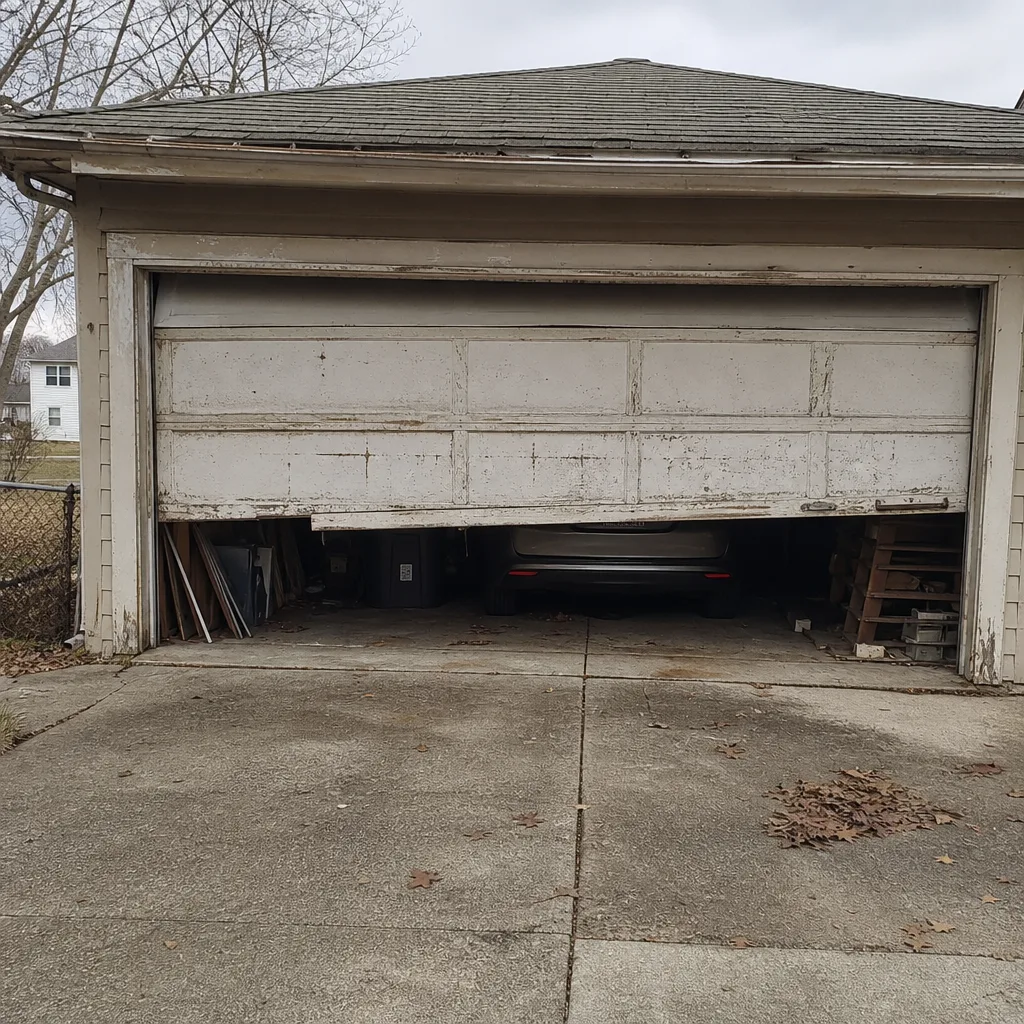 Before
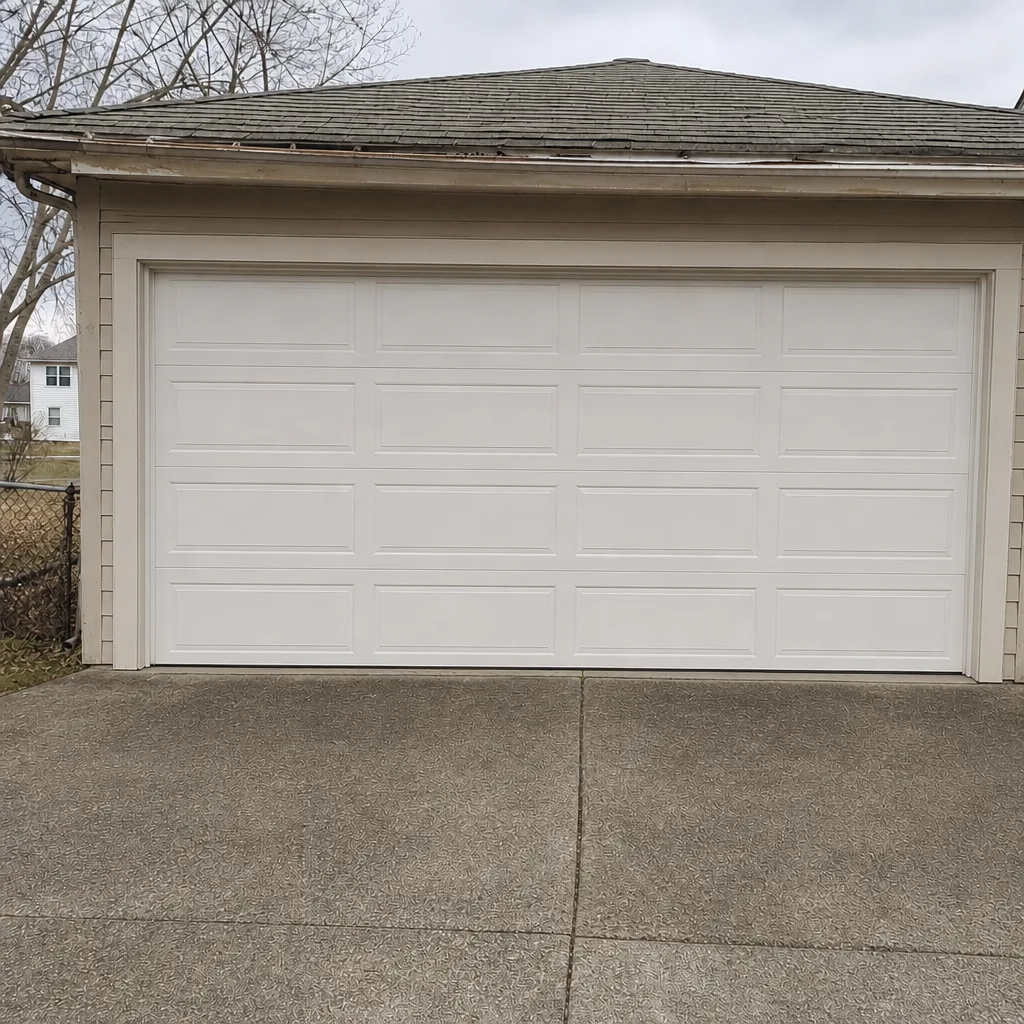 After
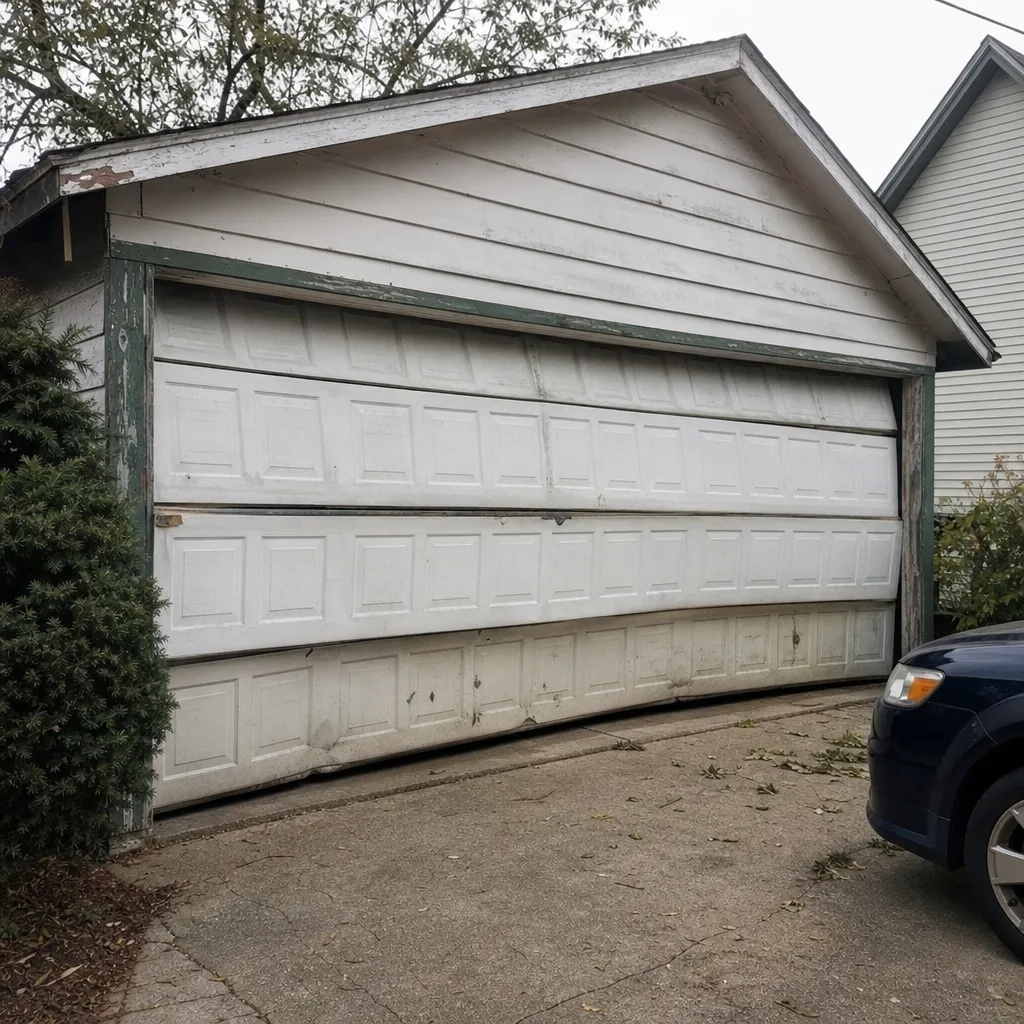 Before
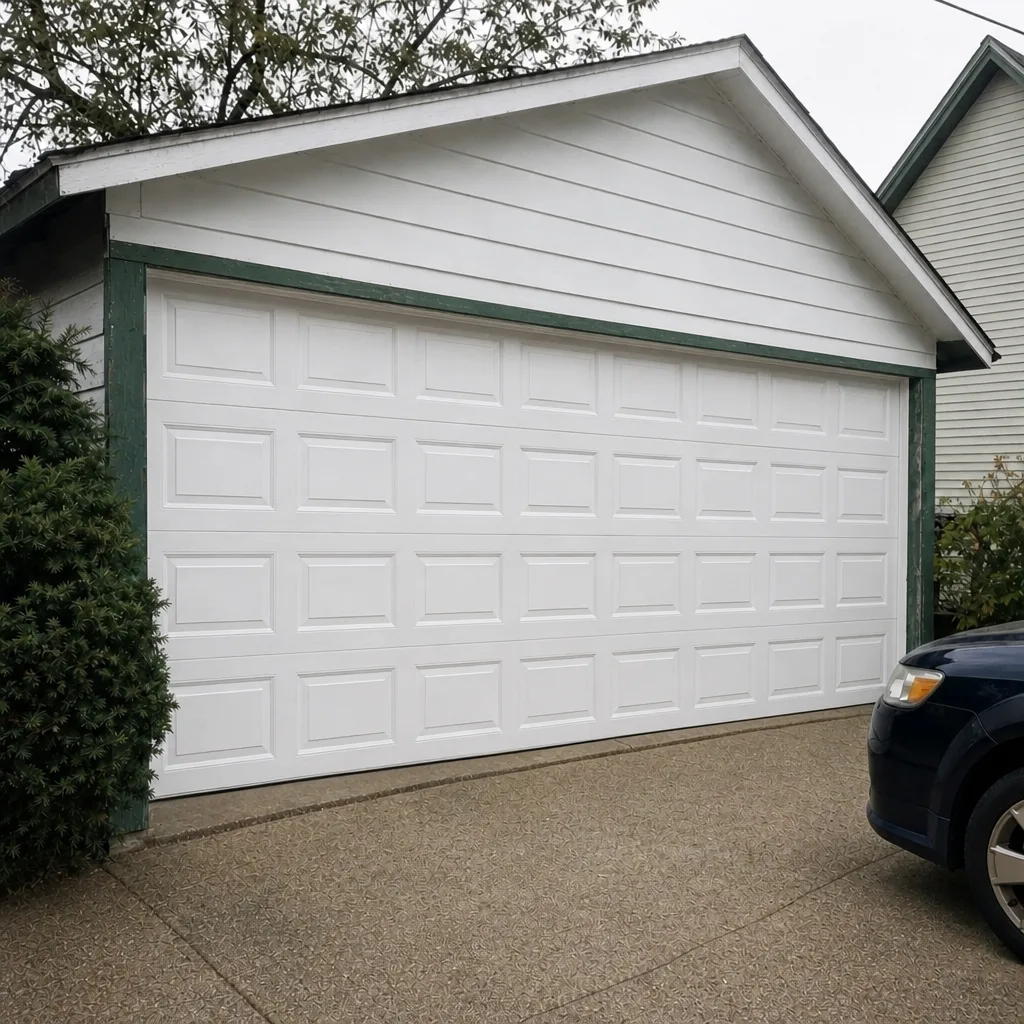 After
When to Call a Professional
Some items on this checklist are safe for a homeowner with a flashlight and a can of white lithium grease. Others belong strictly to a trained technician. Call a professional if you see a gap in a torsion spring, hear the bang of a spring breaking, notice frayed or kinked cables, find your door won’t reverse on an obstacle, or feel the door is noticeably heavier than it used to be. Track realignment, roller replacement near the springs, and any opener diagnostic you can’t complete from the manual are also technician territory. Our technicians have up to 11 years of experience and we handle spring work in-house rather than subcontracting it. We carry parts for major brands so a diagnosis and a fix often happen on the same visit. Garage Door Repair Clintonville offers free estimates in Clintonville. Call (844) 660-4497.
Frequently Asked Questions
Inspect twice a year, once in late fall and once in spring, with a quick visual check after the first hard freeze-thaw cycle of winter. Clintonville’s clay soil shifts with temperature changes, which makes track misalignment most likely in late winter. A full lubrication pass at each of the two main inspections covers the bulk of routine maintenance.
No. WD-40 is a solvent and water displacer, not a lubricant, and it strips the factory grease from rollers and hinge points. Use white lithium grease on rollers and hinges, and a light silicone spray on the track channel and bottom seal. If you’ve already used WD-40, a technician can assess whether the rollers need replacing or just re-greasing.
A broken torsion spring shows a visible gap in the coil roughly a finger wide, and the door suddenly feels extremely heavy or won’t stay open. A worn extension spring looks stretched compared to the other side, or has a missing safety cable running through it. Do not touch either type; a visual check from a distance is all a homeowner should do.
Routine maintenance and a service visit typically run within a modest range that depends on what needs attention, and any spring or cable repair is quoted separately once a technician has inspected the door. You’ll get a written estimate before work starts, and the price you’re quoted is the price you pay. Call (844) 660-4497 for a free estimate; estimates are free.
No. We quote the job before any work begins, and the written estimate is what sets the final price. If a technician finds an additional problem during the visit, they’ll explain it and quote it separately so you can decide before anything is done. There’s no surprise line item at the end.
It’s usually the door, not the opener. A humming opener with a door that doesn’t move points to a broken spring, a loose cable, or a door that’s jammed in a misaligned track; the opener motor runs but the door won’t travel because the mechanical system has failed. Disengage the opener and try lifting the door by hand. If it won’t lift smoothly, call for repair rather than running the opener.
The Bottom Line
A good maintenance checklist is component-specific, not generic. Springs and cables are inspection-only: look, listen, then call a technician. Rollers, hinges, tracks, and the bottom seal are yours to check and lubricate, with the right products, not WD-40. Test your opener’s safety reverse twice a year, every year. In Clintonville, time your heaviest inspection before the first freeze and check tracks again after the winter thaw, when soil movement throws them out of alignment. The fifteen minutes you spend on lubrication and a walk-around twice a year saves you a failed spring, a strained opener, or a midwinter breakdown.
If anything on this checklist turns up a problem, we’re here to help. We work on LiftMaster, Chamberlain, Genie, Clopay, Amarr, Wayne Dalton, Craftsman, and Raynor equipment, we handle spring repair in-house, and we carry the parts to fix most issues on the same visit. Call (844) 660-4497 for a free estimate anywhere in Clintonville.
Written by the team at Garage Door Repair Clintonville.