Last updated November 21, 2026
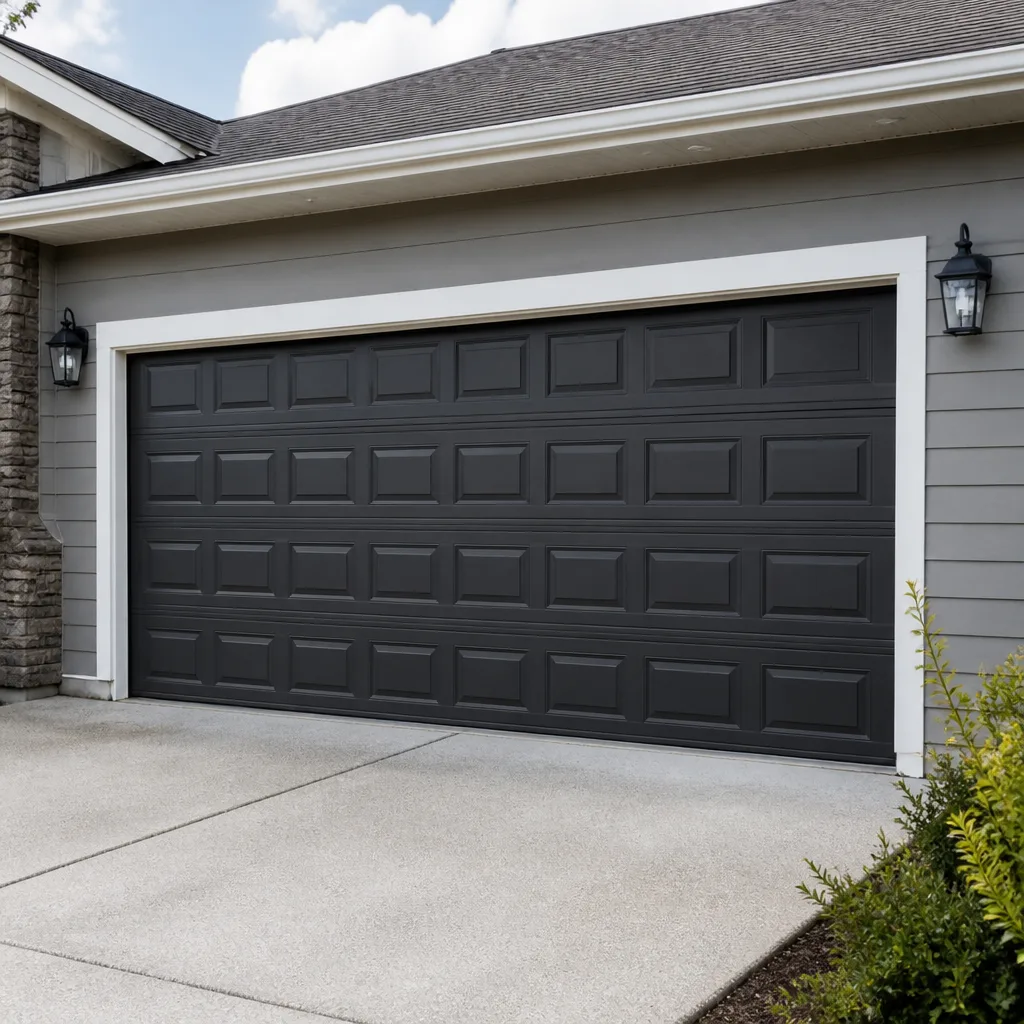 Raised-panel steel
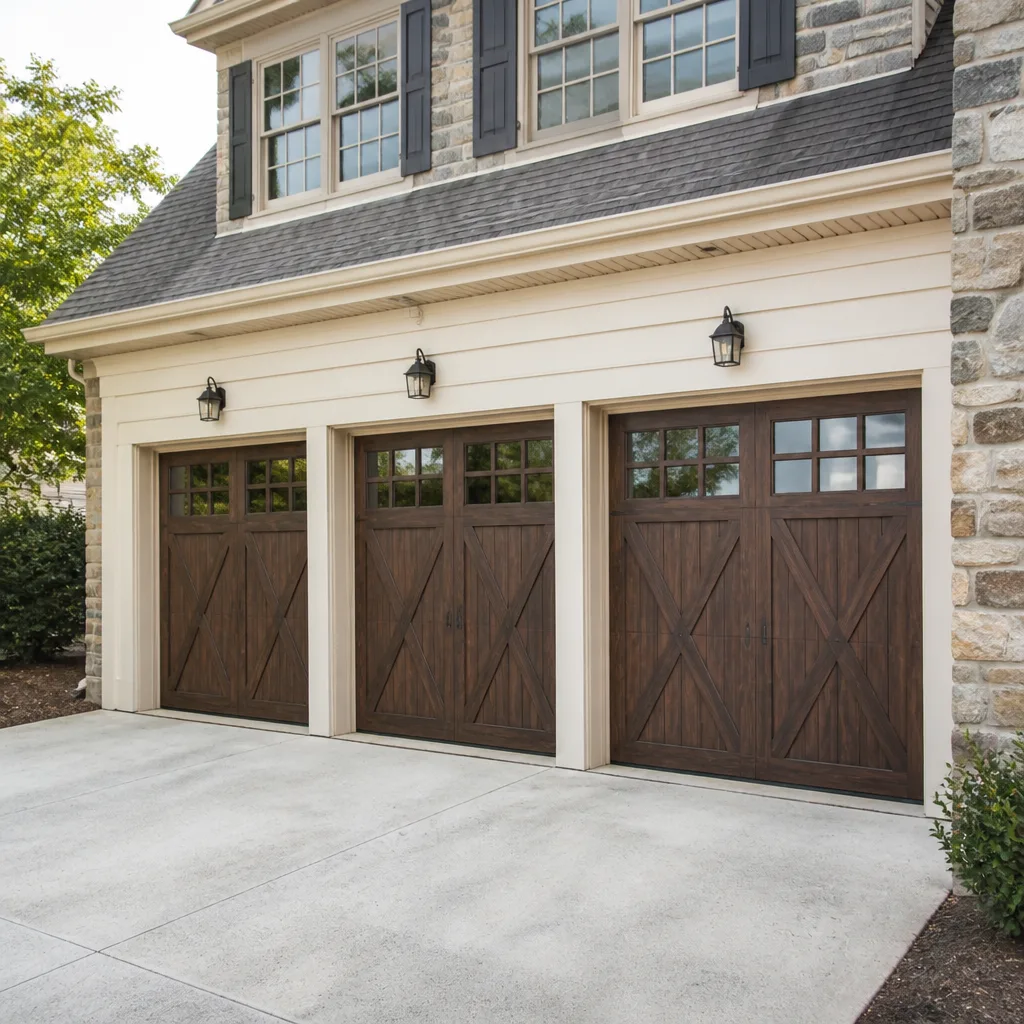 Carriage house
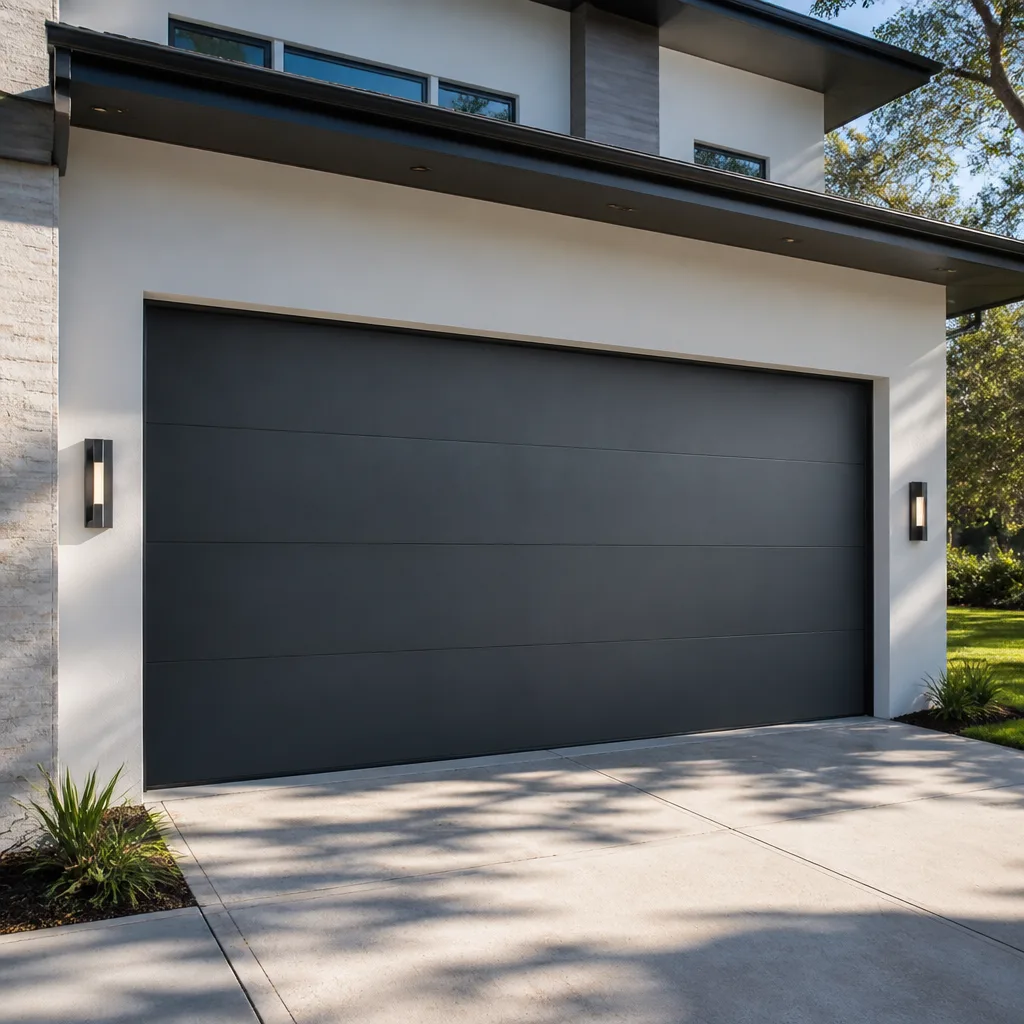 Modern flush
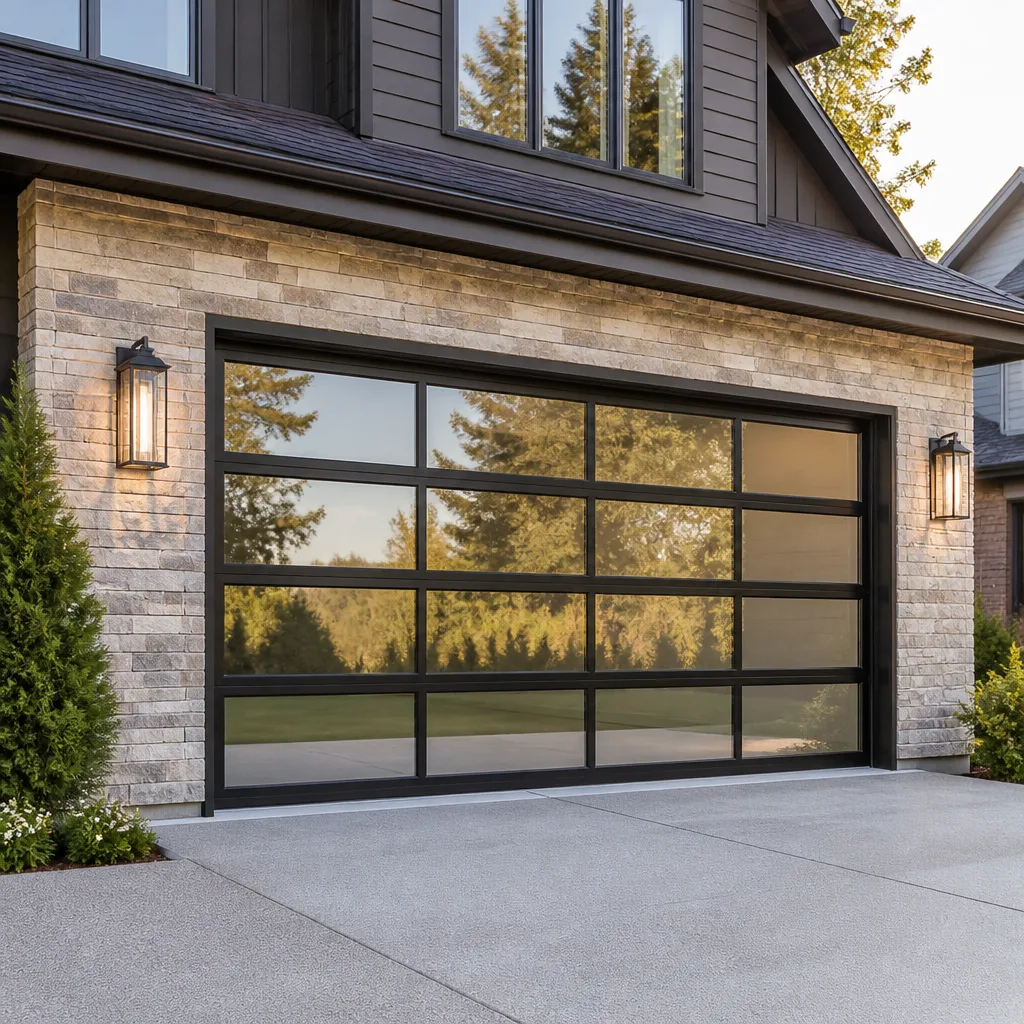 Full-view glass
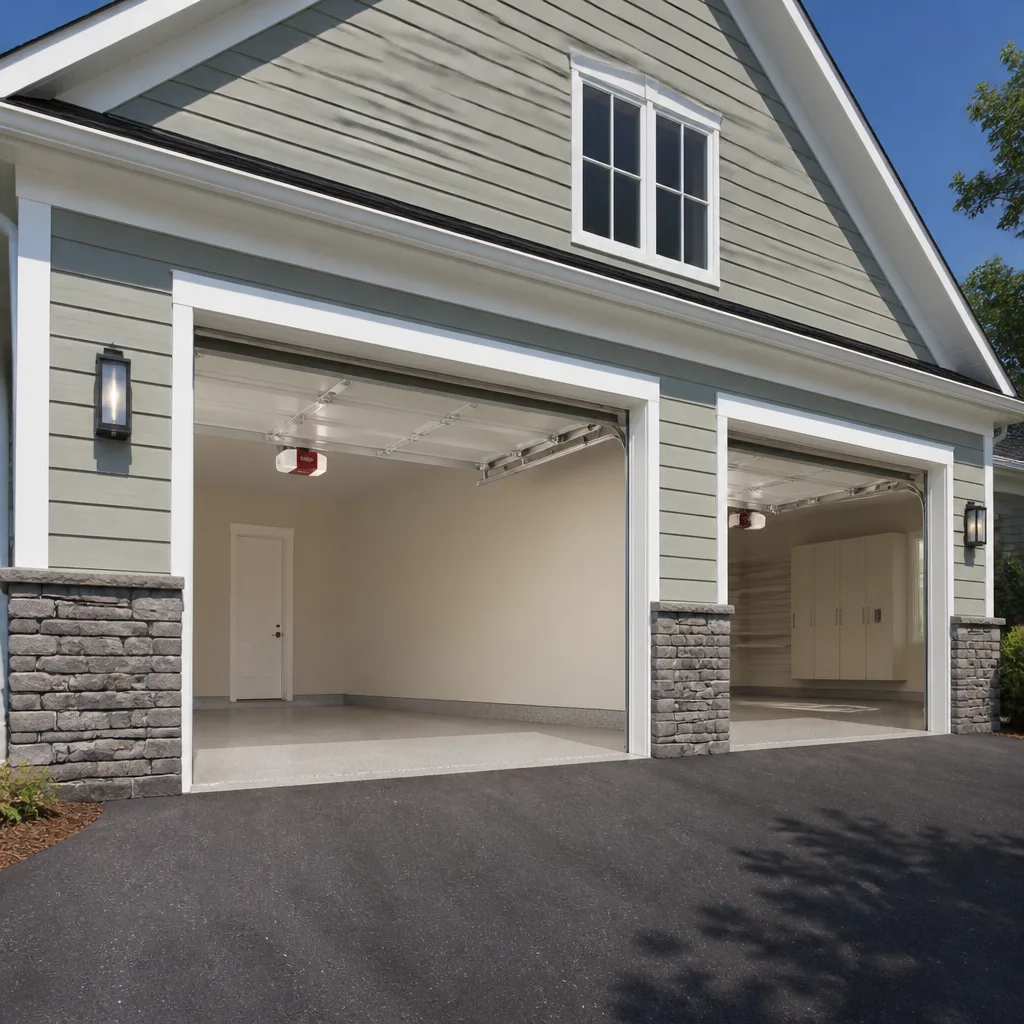 LiftMaster openers
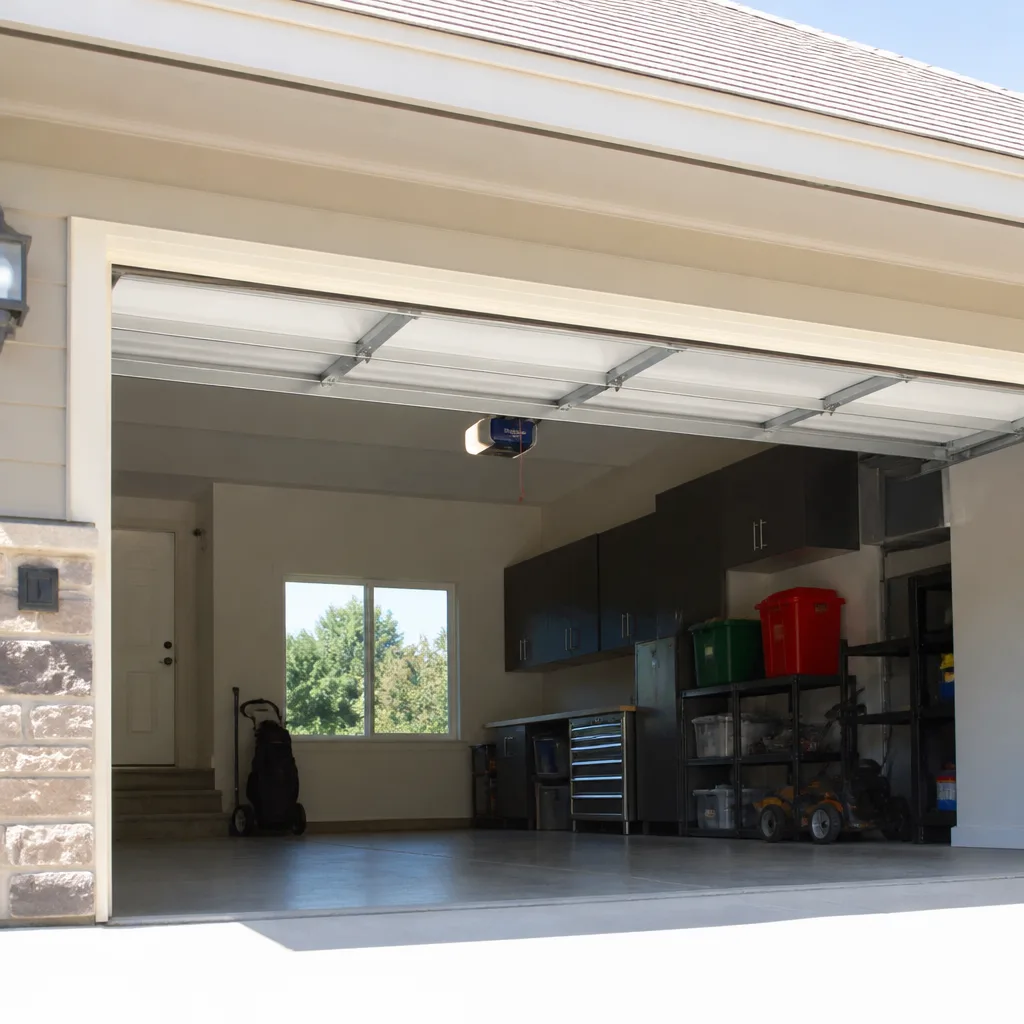 Chamberlain openers
Full 25-point door and opener safety check with every visit - springs, cables, rollers, tracks, and your LiftMaster or Chamberlain opener included
You get a price before we start. It does not change when the pro arrives.
Get your free estimateHow to Hire a Garage Door Contractor in Clintonville: A Step-by-Step Guide
A contractor who installs three different trades is statistically less likely to have the right spring in their truck for your door. That means a second trip, a longer wait, and often a higher final bill. Most Clintonville homeowners vet a garage door contractor by checking reviews and asking if they’re licensed, and those are good starting points. The vetting that actually protects your wallet happens around specialization: whether the person at your door works on garage doors every day or squeezes them in between furnace jobs and bathroom remodels. This guide walks through the questions that reveal the difference, the Ohio registration rules worth knowing, how to read a quote line by line, and how to compare two quotes that propose two very different fixes.
Quick Answer
Hire a garage door specialist, not a general handyman. Verify the contractor’s Ohio registration and insurance, ask which spring types they keep on hand and which door and opener brands they work on, and insist on a written estimate built from a physical inspection. The price should be quoted and agreed before any work starts, and the quote should itemize parts and labor separately.
Styles & brands we work with
- Raised-panel steel
- Carriage house
- Modern flush
- Full-view glass
- LiftMaster openers
- Chamberlain openers
Table of Contents
- Why specialization beats general licensure
- The questions that separate specialists from generalists
- What Ohio requires, and what Clintonville homeowners should verify beyond it
- Red flags in a garage door quote
- How to compare quotes when the fixes differ
- Why brand knowledge matters after installation
- What a proper pre-quote inspection looks like
- Springs, safety, and when to stop and call
Why specialization beats general licensure
A garage door is a counterbalanced machine, not a wall fixture. It hangs from springs that store enormous force, rolls on tracks that have to be plumb within a tight tolerance, and is driven by an opener that has to be matched to the door’s weight and travel. When a generalist handyman or an HVAC company with a side service takes the job, the weak point usually isn’t skill. It’s inventory and pattern recognition.
Here’s how that plays out in Clintonville. The housing stock on streets like Oakland Park and Beechwold includes a lot of mid-century homes, and many of those garages have been retrofitted more than once. A door may have extension springs from the 1980s, a replacement opener installed in the 2000s, and hardware that has been swapped piecemeal. Diagnosing that mix takes someone who sees the same combinations every week, knows what a stretched extension spring looks like versus a failing torsion spring, and can tell a bent track from a door out of balance.
This is why we frame the vetting around specialization. The right question is not “are you licensed” (important, but Ohio handles that separately) but “what do you actually work on, and how often?”
- Focus: A specialist works on garage doors, openers, springs, and hardware as their whole business. A generalist does doors as one line among many.
- Inventory: Specialists keep common springs, rollers, hinges, and hardware on hand so a repair can finish the same visit. Generalists often order parts and come back.
- Pattern recognition: A technician who sees hundreds of doors recognizes the exact symptom (“the door goes up six inches and reverses”) in a few minutes.
- Warranty: Specialists can speak to manufacturer warranty terms on the door and opener they install. Generalists often can’t.
If you want to skip the sorting and reach a focused specialist, our garage door repair in Clintonville team does nothing but this work, on your brand, with common parts on hand.
The questions that separate specialists from generalists
Ask these before you book. The answers tell you more than any review average. A true specialist will answer them without hesitation, and often without looking anything up.
- “What spring types do you normally stock?” A specialist talks about torsion versus extension, wire size, and door weight. A generalist says something vague about “whatever the door needs.”
- “Which door and opener brands do you work on?” A specialist names a real list and can speak to the quirks of each. A generalist names one or two or says “all of them” without details.
- “Do you carry common parts on the truck, or do you order them?” On-hand inventory is the difference between a single visit and a callback. Ask directly whether the technician will have what’s likely needed.
- “Can you quote from the job, or only over the phone?” A phone quote is a ballpark. A written estimate built from a physical inspection is the one that holds.
- “What’s your approach to safety on springs?” A specialist treats torsion and extension work as a safety-critical task and says so. A generalist often treats it like any other part swap.
- “What warranty do you offer on the part and on the labor?” Ask for the terms in writing.
- “Do you carry liability and workers’ compensation insurance?” Ask for proof before they start.
You can run the same questions on an opener alone. A quick diagnosis of a lift that reverses or a remote that won’t pair belongs with a shop that handles garage door opener repair as a core service rather than an add-on.
What Ohio requires, and what Clintonville homeowners should verify beyond it
Ohio does not license garage door contractors under a single statewide trade license the way it does some other trades. What Ohio does require is business registration and compliance with the state’s consumer protection and workers’ compensation rules (ask the city’s building department about any local permit needs for major replacement). Because there’s no single trade license number to check statewide, homeowners have to verify a bit more themselves than they might for, say, electrical work.
Here’s the checklist we recommend for any Clintonville homeowner:
- Business registration: Confirm the business is registered with the Ohio Secretary of State and has a valid tax registration.
- Liability insurance: Ask for a certificate of insurance naming the policy limits. Don’t take a verbal “we’re insured” as enough.
- Workers’ compensation: Confirm active coverage. If someone is injured on your property and the company has no coverage, the exposure can land on you.
- Permits: For a full door or opener replacement, ask the city’s building department whether a permit is needed. Requirements vary, and it’s easier to ask than to sort out later.
- Warranty terms: Ask what the manufacturer warranty covers and what the installer’s labor warranty covers. Get both in writing.
- Written estimate: Every quote should be written, itemized, and dated.
Across Clintonville, homes range from older bungalows to newer builds near Clinton-Como Park, and the permit and inspection picture can differ block to block based on how the garage was originally built. The building department is the right source for your address.
Red flags in a garage door quote
The quote itself is a diagnostic tool. A bad quote usually has a recognizable shape. Watch for these:
- One line item for “repair” with no breakdown of parts versus labor. A serious quote lists the spring or springs, the opener or parts, and the labor separately.
- A price given before anyone has looked at the door. No one can quote a spring replacement without an inspection. If a number arrives without one, treat it as a guess, not an estimate.
- “We’ll figure it out when we get there.” That sentence usually ends with an invoice higher than expected. The price should be quoted and agreed before any work starts.
- No mention of warranty. Parts and labor warranty are part of the value. Ask, and get it in writing.
- A quote that ignores the door’s weight. Spring sizing depends on door weight. A quote that skips this step is quoting a part, not a repair.
- Pressure to decide on the spot. A specialist gives you the written estimate and lets you compare. There’s no need to sign the same day.
- Refusal to name the brands they work on. You should hear specific manufacturer names (LiftMaster, Chamberlain, Genie, Clopay, Amarr, Wayne Dalton, Craftsman, Raynor, among others). A vague “we do all brands” without detail is a warning sign.
None of these are deal-breakers on their own. Two or three together mean keep calling.
How to compare quotes when the fixes differ
The hardest part of hiring is comparing two quotes that aren’t for the same fix. One contractor proposes a torsion conversion. Another quotes a straight extension spring replacement. Both numbers are “for a spring repair,” and they are not the same job. Here’s how to compare correctly.
- Ask what each quote is actually fixing. Torsion and extension are different systems with different hardware, different failure modes, and different service lives. A conversion isn’t a swap; it’s a rebuild.
- Ask why. A torsion conversion should be proposed for a reason: better balance, quieter operation, or replacement of a system that’s reached the end of its useful life. Ask the contractor to explain the reasoning in plain language.
- Ask about springs as a matched set. A torsion system typically has a pair. A quote for one spring when the pair is worn is usually a short-term fix that returns to bite. A matched pair typically costs about twice a single spring.
- Compare the warranty on the part and on the labor, not just the total. A slightly higher quote with a meaningful warranty may be the better long-term value.
- Compare the brands on the quote. If one quote names the manufacturer of the spring or opener and the other doesn’t, that’s a difference you can ask about.
Ask both contractors to put the reasoning in writing. A specialist is happy to. A generalist often can’t, because there wasn’t a deep diagnosis to begin with.
Why brand knowledge matters after installation
Brand knowledge is not a marketing line. It affects what happens after the install, when something goes wrong. If a contractor installs a door or opener from a brand they don’t know well, they may not be set up to service it later, and they may not be positioned to support your manufacturer warranty claim if a part fails.
This is why we work across a real list of manufacturers rather than claiming to handle everything. Our focus is LiftMaster, Chamberlain, Genie, Clopay, Amarr, Wayne Dalton, Craftsman, and Raynor. Each has its own engineering, and each has its own parts and warranty paths. A lift motor from one brand doesn’t fail the same way as another, and a Clopay panel replacement doesn’t come from the same supply path as a Wayne Dalton or an Amarr. When the installer knows the brand, the service call after is simpler.
For a full replacement, the same logic applies at the front end. If you’re choosing a new door or opener, ask the contractor which brands they install and service. That question protects you in the second and third year far more than a one-year install warranty does. For new doors and openers specifically, our garage door installation service covers the brand list above, measured and scheduled rather than rushed.
What a proper pre-quote inspection looks like
A written estimate is only as good as the inspection behind it. Here’s what a specialist checks before quoting. If a contractor skips most of this and hands you a number, the quote is not worth much.
- Door weight and balance: The door is disconnected from the opener and moved by hand to feel whether it’s balanced. Springs are sized to weight.
- Spring type, condition, and age: Torsion versus extension, wire condition, and visible wear.
- Cables and drums: Cable wear, kinks, and drum alignment.
- Tracks and rollers: Track plumb, roller wear, and hinge condition.
- Panels and sections: Panel damage, section alignment, and seal wear.
- Opener: Motor, travel limits, safety reverse, remotes, and connectivity.
- Weather seal and threshold: Especially relevant in Clintonville winters, when drafts and snow intrusion affect the garage space.
The inspection typically takes 15 to 30 minutes. The written estimate that follows should itemize each part and the labor separately, with a clear total. The price should be quoted and agreed before any work starts, and it should not change once the work begins.
Springs, safety, and when to stop and call
Springs are a safety issue, not just a repair call. Torsion springs store enormous energy, and if one lets go while someone is working on it, the result can be serious injury. The same is true of extension springs that fail without a safety containment cable. Cables under tension and the drums that hold them carry similar risk. We don’t recommend homeowners handle spring or cable work themselves, and we recommend against hiring anyone who treats it casually.
We handle spring repair in-house because it’s a specialty, not a sideline. Our technicians have up to 11 years of experience, and the work is done with the right tools and training. If you’re looking at a door that won’t lift, a loud bang from the garage, or a door that hangs crooked, stop and call. Don’t try to force it, and don’t try to release the springs.
For a repair on a spring, a cable, or a door that won’t close safely, call us. We’ll book a visit, diagnose it properly, and give you a written estimate before any work starts.
Common Mistakes to Avoid
- Hiring the cheapest phone quote. A phone quote without inspection is a guess, and the invoice often lands somewhere else. Ask for a written estimate built from a physical inspection.
- Skipping the insurance check. Ohio doesn’t hand you a single statewide contractor card to check, so ask for the certificate of insurance and confirm workers’ comp is active. It takes five minutes and protects you.
- Assuming the generalist has the part. A handyman or HVAC company that “also does doors” usually doesn’t stock springs. That’s a second visit and a longer wait.
- Replacing one spring on a worn pair. Matched torsion springs wear at the same rate. Replacing one leaves the door unbalanced and the other spring ready to fail.
- Ignoring the opener when the door is replaced. A new, heavier door on an older opener can strain the motor and shorten its life. Both should be sized together.
- Not asking what brand will be installed. The brand determines the parts path and the warranty. Ask before you sign.
- Letting a contractor skip the inspection. No inspection, no real quote. If they won’t take 20 minutes to look at the door, that tells you something.
See the difference
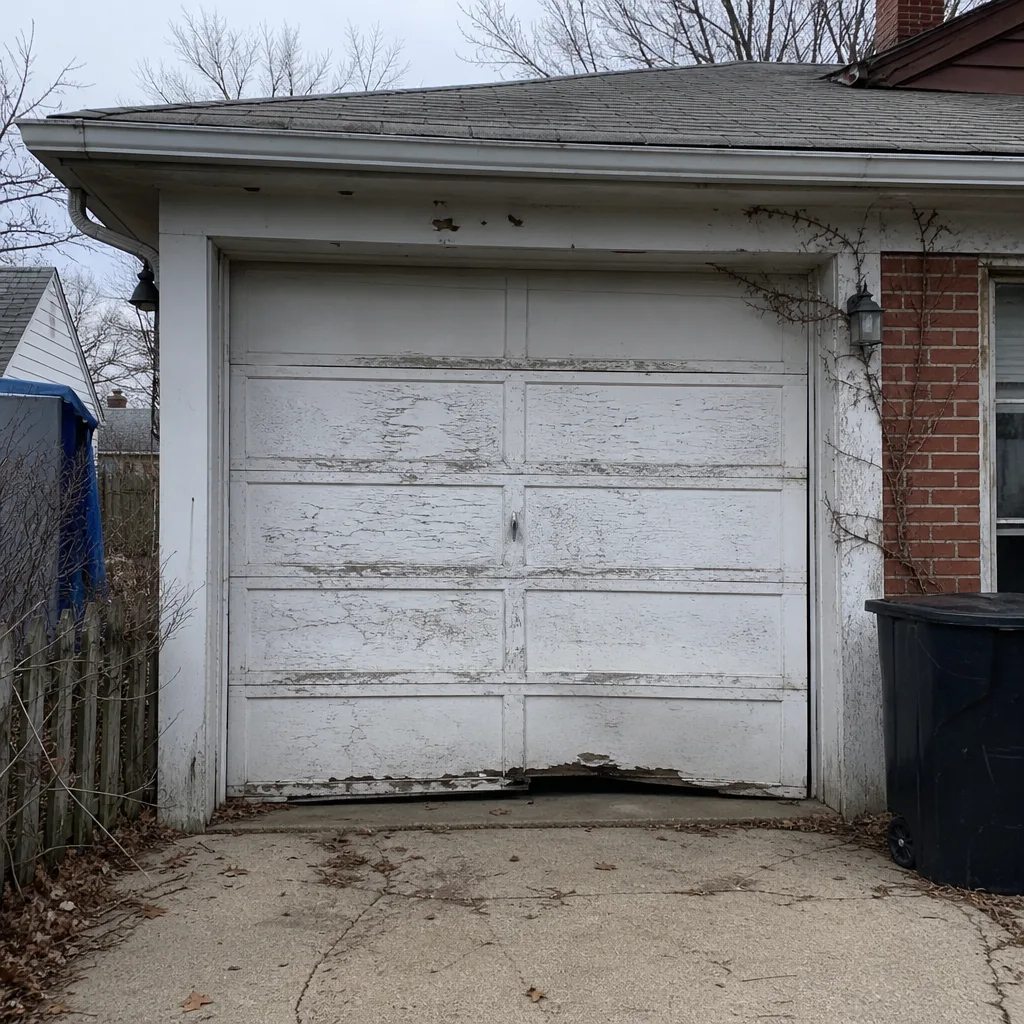 Before
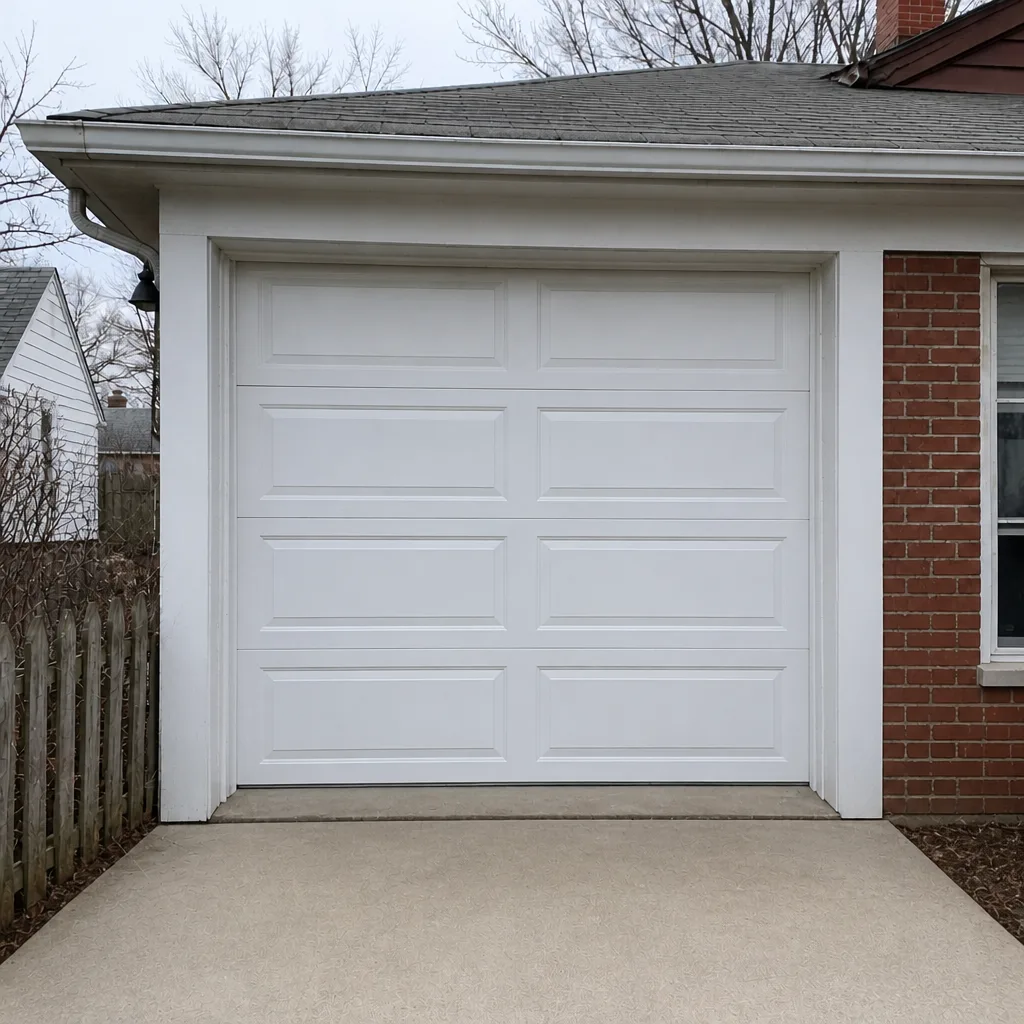 After
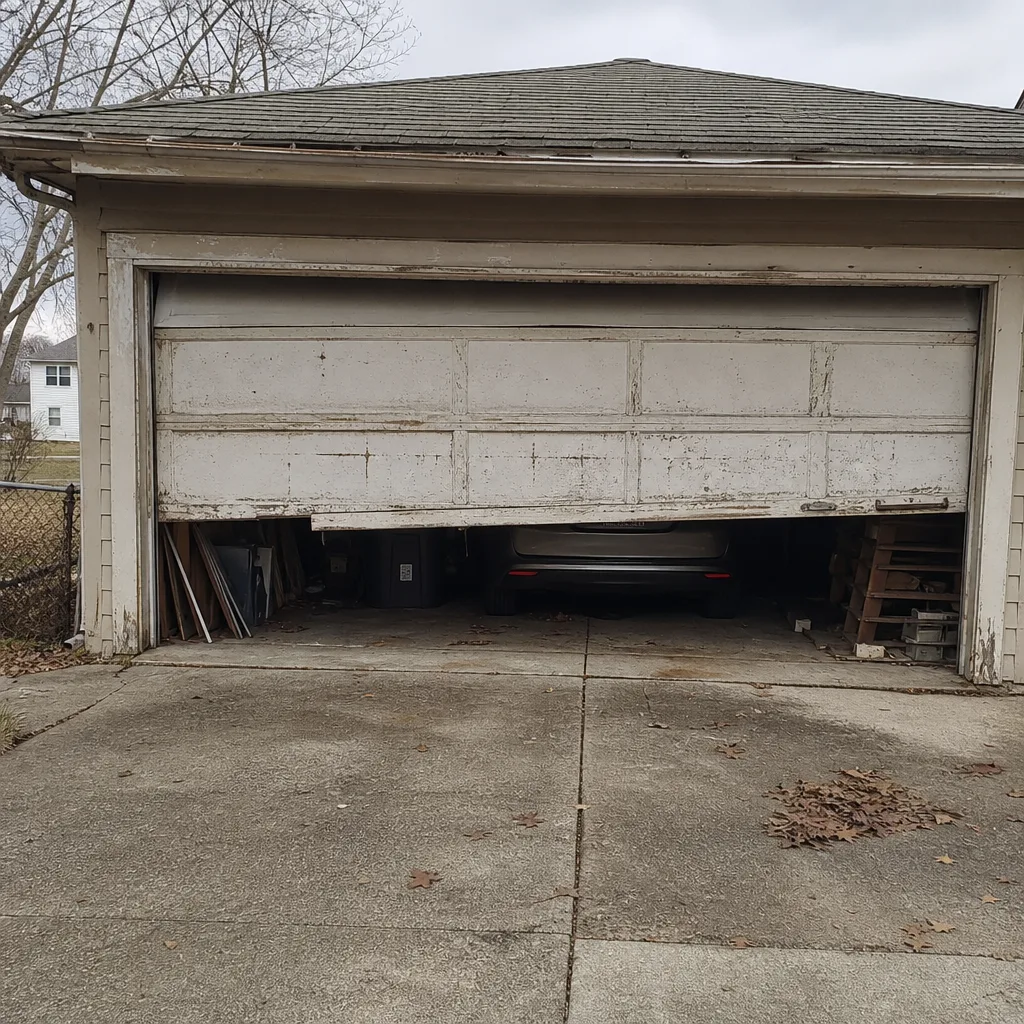 Before
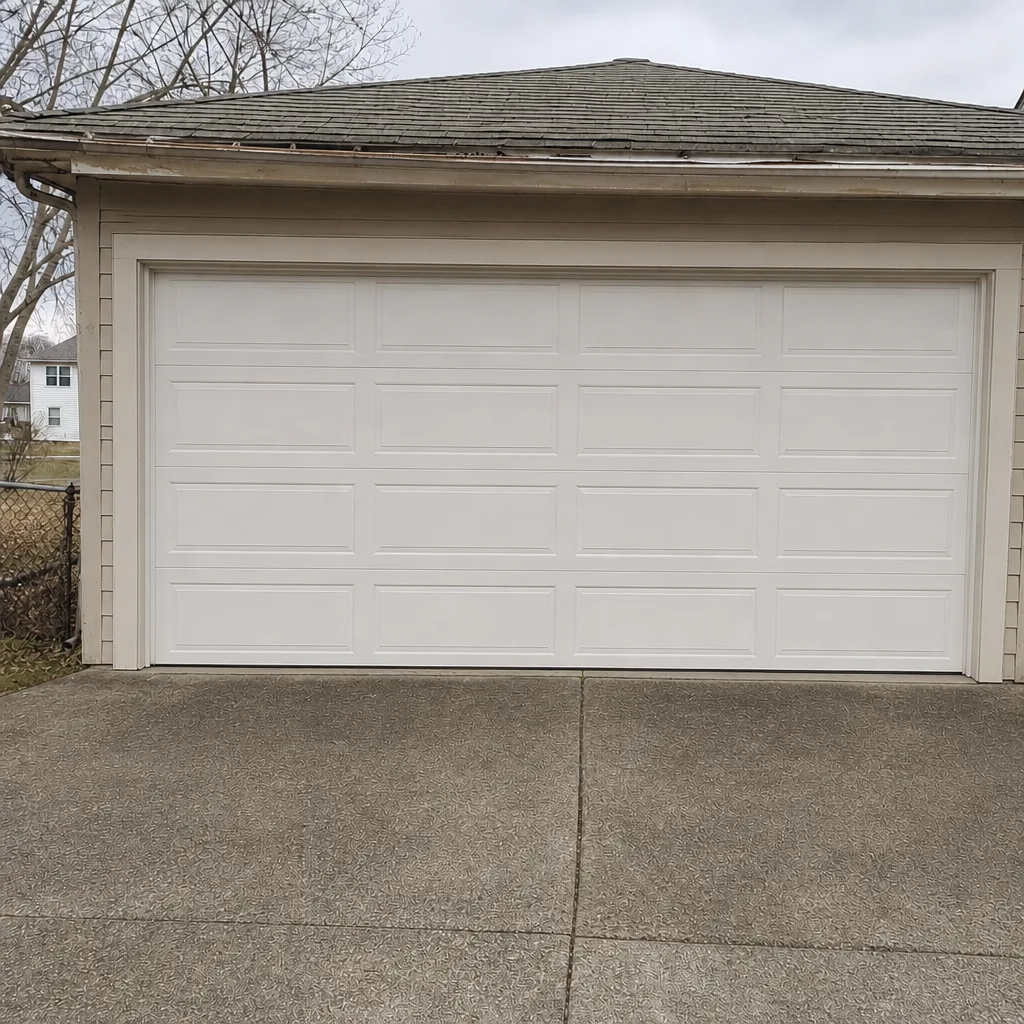 After
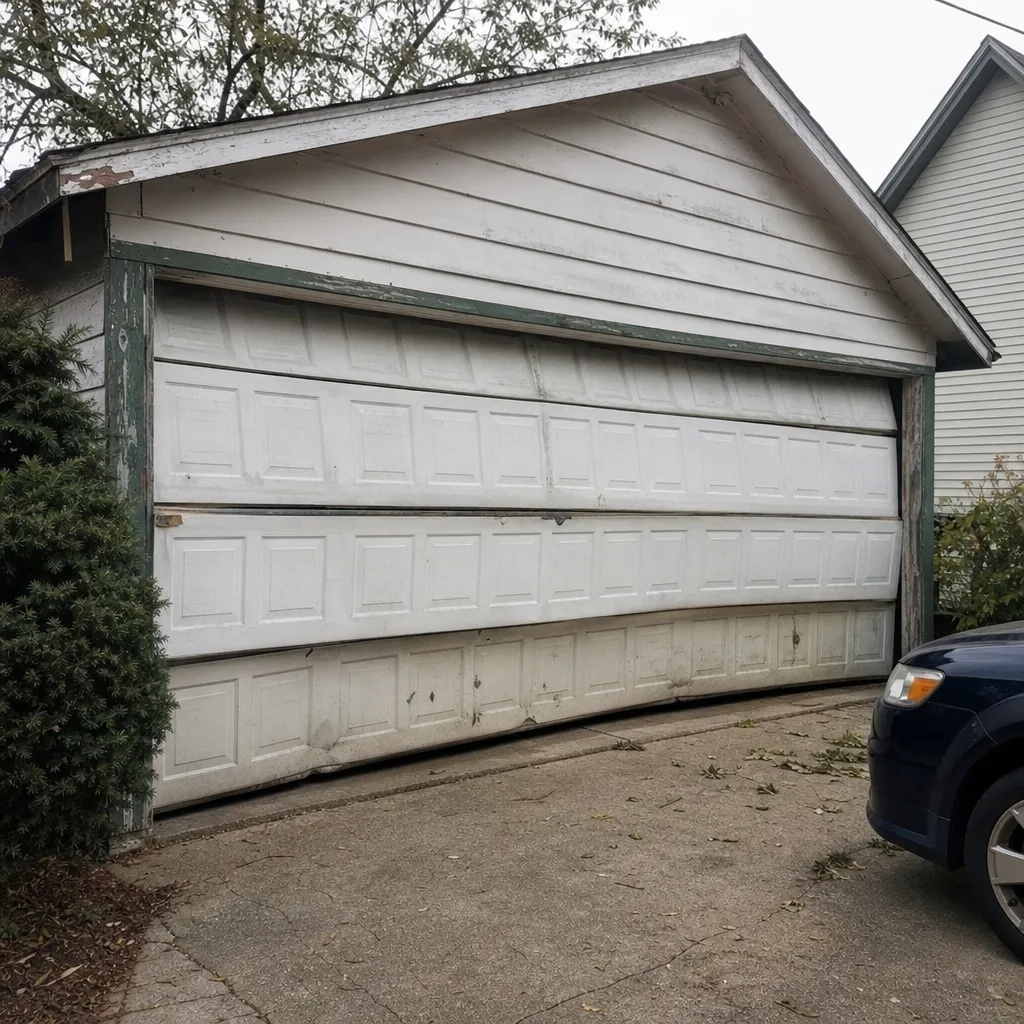 Before
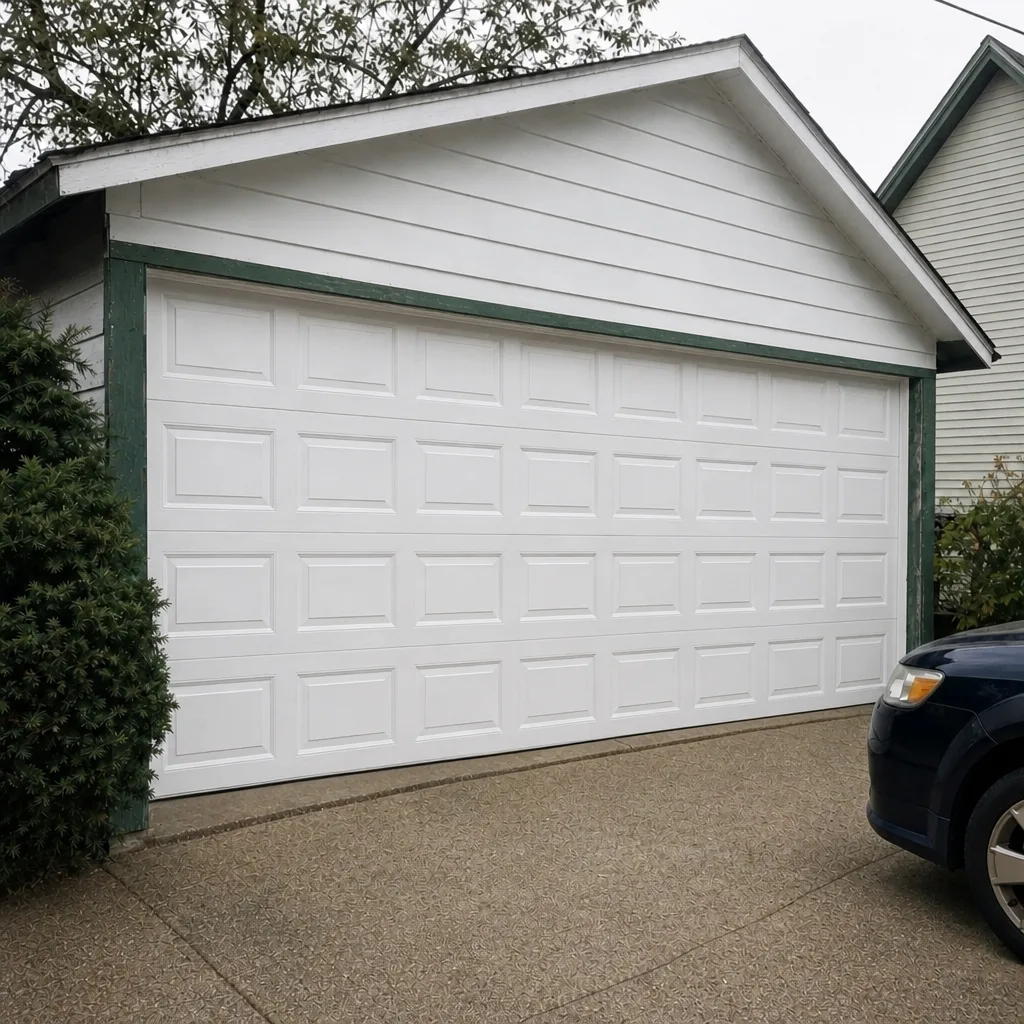 After
When to Call a Professional
Call a professional when the door is out of balance, when you hear a loud bang from the garage, when the door reverses without an obstruction, when a spring visibly sags or is broken, or when a cable is frayed or off its drum. Call before you operate the door again in any of those cases. Springs, cables, and drums are the parts where homeowners get hurt, and they’re the parts a specialist should handle. The opener side is often safer to inspect: if a remote won’t pair or the motor hums without lifting, that’s a diagnostic call, not an emergency. Garage Door Repair Clintonville offers free estimates in Clintonville for both repair and full replacement. Call (844) 660-4497 with your door’s symptom, and we’ll tell you what the visit will look like and how the written estimate works. If your door is in a nearby Columbus neighborhood, our garage door repair guide covers the common repairs by area.
Frequently Asked Questions
Typical estimates for a single spring replacement in the Clintonville area run in the range you’ll get in a written quote after inspection, and a matched pair usually costs about twice a single spring because the pair is replaced together. The final price depends on the spring type, door weight, and whether other hardware needs service. Call (844) 660-4497 for an exact quote. Estimates are free and quoted before any work starts.
Ask what spring types they stock, which door and opener brands they work on, and whether common parts are on the truck or ordered. A specialist answers all three with specifics and names actual manufacturers. A generalist hedges. You can also ask for the reasoning on a torsion versus extension recommendation; a specialist can explain it, and a generalist usually can’t.
Confirm Ohio business registration, ask for a certificate of insurance showing liability coverage, confirm workers’ comp is active, and get a written itemized estimate built from a physical inspection. Ask about the manufacturer and labor warranty in writing. If the door or opener is being replaced, ask the city’s building department whether a permit is needed for your address.
It shouldn’t. The price should be quoted and agreed before any work starts, based on the inspection. If the job reveals a problem the inspection missed, the technician should stop and explain the change before doing extra work, not after. A written estimate with itemized parts and labor is the best protection here, and any good shop will provide one.
For repairs on springs, openers, tracks, and hardware, same-day service is often possible if you call early. Call (844) 660-4497 and we’ll tell you what’s available. For a new door or opener, that work is measured, ordered, and scheduled, so the timing is different. Replacement is quoted and confirmed in writing before anything is ordered.
We work on LiftMaster, Chamberlain, Genie, Clopay, Amarr, Wayne Dalton, Craftsman, and Raynor for both doors and openers. If your system is one of these, it’s within scope. If it’s another brand, call and we’ll confirm before booking. Brand knowledge matters for parts and for warranty support after the work is done.
The Bottom Line
The best hire in Clintonville is a specialist, not a generalist. Verify Ohio registration and insurance, ask what spring types and brands the shop actually works on, and insist on a written itemized estimate from a physical inspection. Compare quotes by what they’re fixing, not just the total. Treat springs and cables as the safety-critical parts they are. And remember the price should be quoted and agreed before any work starts. Everything else follows from those rules.
Garage Door Repair Clintonville focuses on this trade only, across LiftMaster, Chamberlain, Genie, Clopay, Amarr, Wayne Dalton, Craftsman, and Raynor. If you’d rather skip the sorting, call (844) 660-4497 for a free estimate. We’ll inspect the door, diagnose the issue, and give you a written price before anything starts.
Written by the team at Garage Door Repair Clintonville.